
Can a Rat Carry Rabies? What to Do If a Rat Bites You

Written by Jack Hayes
Last updated on June 20, 2026
On this page
Yes, a rat can technically get rabies, but rabies from rats is extremely rare. The bigger concern after a rat bite is usually infection, bacteria, and the reason rats are getting close enough to bite in the first place.
Most people panic because they hear “rat bite” and immediately think rabies. That fear makes sense, but the risk is usually not the same as a bite from a bat, raccoon, skunk, fox, or unknown stray animal.
In this guide, you’ll learn whether rats carry rabies, what actually counts as rabies exposure, what to do after a rat bite, and when rat activity around your home needs professional attention.
Key Takeaways
- ◉ Rabies from rats is possible, but it’s extremely rare. The bigger risk after a rat bite is usually bacteria + infection, not rabies.
- ◉ Treat every rat bite seriously (even if it looks small). Fast cleaning + same-day medical advice is what prevents complications.
- ◉ Rabies exposure means saliva got into a wound or your eyes/nose/mouth. Seeing rats, touching fur, or cleaning droppings isn’t “rabies exposure” (still nasty, just not rabies).
- ◉ Watch for red-flag behavior and symptoms. Aggressive, stumbling, drooling, or “acting weird” = don’t guess, get checked.
- ◉ A bite is usually the symptom, not the start of the problem. If one rat bit you, there’s often an entry point + active rat traffic, so prevention (sealing gaps, removing food/water, blocking access) matters.
Do Rats Carry Rabies? (Quick Answer + What Most People Get Wrong)
Quick answer: Yes, rats can technically carry rabies, but documented cases are extremely rare. Most rat bites don’t involve rabies risk. They involve infection risk.
What most people get wrong:
- ◉ They assume any bite = rabies
- ◉ They ignore the bigger danger: bacteria + wound infection
- ◉ They wait too long to clean and treat the bite
Why this matters: if you focus only on rabies, you might miss the steps that actually prevent complications, like proper cleaning, medical evaluation, and watching for swelling or fever.
Action step: Treat every rat bite seriously, but don’t panic. Clean it fast, document it, and get medical advice, especially if the bite broke skin.
Can You Get Rabies From a Rat Bite?
Yes, it is technically possible to get rabies from a rat bite, but it is extremely rare.
Most rat bites are more concerning because of bacteria, wound infection, and swelling, not rabies. That is why the safest move is to clean the bite right away and contact a doctor or urgent care the same day.
Rabies exposure usually means infected saliva entered:
◉ A bite wound
◉ An open cut
◉ The eyes, nose, or mouth
Why this matters:
A small bite can still get infected, even if rabies is unlikely.
What to do right away:
◉ Wash the bite with soap and warm water
◉ Disinfect the area
◉ Cover it with a clean bandage
◉ Get medical advice the same day
Simple takeaway: Rat bite rabies is rare, but every rat bite should still be treated seriously because infection risk is real.
Why Rabies in Rats Is Extremely Rare (But Not Impossible)
Rabies in rats is very rare because rats usually don’t live long after a serious animal attack. They don’t survive long enough to become a “rabies carrier” the way bigger mammals can.
What’s more common is:
- ◉ Rat bites causing infection
- ◉ Rats spreading bacteria, not rabies
Why this matters: most people panic about rabies and ignore the real danger-a dirty wound that gets worse fast.
Action step: treat the bite like a medical issue, even if the rabies risk is low.
What We See All the Time After a Rat Bite
During our inspection, we noticed this issue in similar cases. A homeowner gets bitten in the garage near the trash cans or in a basement storage corner, usually while moving a box or reaching behind something.
They immediately pull their hand back, look at the mark, and think: “Oh no… what if this is rabies?”
Most people do the same few things right after:
- ◉ They rush to the sink and wash the bite fast
- ◉ They grab disinfectant and scrub it harder than they should
- ◉ Then they start searching online, spiraling deeper with every result
You can hear it in their voice when they call us:
“I killed the rat… but now I’m freaking out. Do I need shots?”
“It’s a small bite, but it hurts more now… is that normal?”
The feeling is usually the same every time: panic mixed with regret, like they can’t tell what’s serious and what’s just fear.
And here’s what we typically find when we show up: the rat bite wasn’t the real “start” of the problem; it was the moment the homeowner finally noticed rats were already active. In similar cases, we see droppings along the wall, greasy rub marks, and a clear entry route near a door gap, pipe opening, or foundation crack.
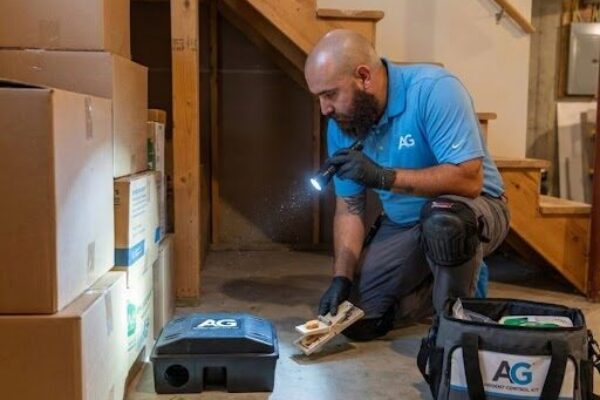
Based on what we usually recommend, the safest move is to treat the bite seriously same day, and then stop the rats at the source, because if one gets in once, another one can follow the exact same path tomorrow.
Real experience shared by a homeowner with a rat infestation
A homeowner from Brick, dealing with ongoing rat problems called Agile Pests, and after Manny’s visit, they praised the fast response, clear plan, and reliable follow-up.

Based on what we usually recommend, the safest move is to treat the bite seriously same day, and then stop the rats at the source, because if one gets in once, another one can follow the exact same path tomorrow.
What Animals Are More Likely to Carry Rabies Than Rats
If rabies is the concern, these animals are usually the bigger risk:
- ◉ Bats
- ◉ Raccoons
- ◉ Skunks
- ◉ Foxes
- ◉ Stray cats and dogs (depending on the area)
Why this matters: these animals are more likely to survive with rabies long enough to spread it through bites or saliva contact.
Quick tip: any bite from a wild animal should be treated as serious and checked by a doctor.
How Rabies Spreads (And What Doesn’t Count as Exposure)
Rabies spreads when infected saliva gets into:
- ◉ A bite wound
- ◉ An open cut
- ◉ The eyes, nose, or mouth
What usually doesn’t count as rabies exposure:
- ◉ Touching a rat’s fur
- ◉ Seeing rats in your house
- ◉ Cleaning droppings (still gross, but not rabies)
- ◉ A rat running over your skin with no open wound
Why this matters: people waste time worrying about “contact” when the real risk is saliva entering a wound.
Action step: if you’re bitten or scratched, clean it right away and get medical advice the same day.
What to Do If a Rat Bites or Scratches You (Step-by-Step)
If a rat bites or scratches you, don’t wait and “see what happens.” Do this right away:
◉ Wash the wound fast
Use soap + warm water for 5 minutes.
◉ Let it bleed a little (if it’s a small cut)
That helps flush germs out. Then call a doctor or local health department.
◉ Disinfect it
Use iodine or an antiseptic.
◉ Cover it clean
Bandage it and keep it dry.
◉ Call a doctor / urgent care same day
Especially if it broke skin. Because doctors will often focus on infection prevention first.
Why this matters: rat bites get infected easily, even when they look minor.
What to Watch for After a Rat Bite (Next 24–72 Hours)
- ◉ swelling that keeps growing
- ◉ redness spreading
- ◉ warmth/pus
- ◉ fever/chills
- ◉ pain getting worse instead of better
Signs a Rat Could Be Sick (And When to Treat It Like an Emergency)
Most rats won’t look “sick” in an obvious way. But these signs are red flags:
- ◉ Acting aggressively for no reason
- ◉ Stumbling or moving strangely
- ◉ Foaming at the mouth
- ◉ Dragging legs or shaking
- ◉ Visible injuries, swelling, or heavy drooling
- ◉ Biting without being trapped or cornered
Treat it like an emergency if:
- ◉ The bite is deep or bleeding heavily
- ◉ The rat acted unusually aggressively
- ◉ You were bitten on the hand, face, or neck
- ◉ You have a weak immune system
Why this matters: when an animal acts abnormally, you don’t guess. You get checked.
Diseases Rats Are More Likely to Spread Than Rabies
Rabies is rare in rats. But rats can still spread other serious illnesses.
More common risks include:
- ◉ Rat-bite fever
- ◉ Leptospirosis
- ◉ Salmonella
- ◉ Hantavirus (mainly from droppings/urine, not bites)
- ◉ Skin infections from bacteria entering the wound
Why this matters: the biggest danger is usually infection, not rabies.
Action step: if the bite gets redder, warmer, more painful, or swollen, get medical help ASAP.
How to Prevent Rat Encounters Around Your Home (And Stop Future Bites)
Most rat bites happen because rats are already living close to your home and feel “safe” moving around. If you cut off food, water, and shelter, you cut off the problem.
Do these steps:
- ◉ Seal food tight (pantry + pet food)
Use hard plastic bins or glass containers. No open bags. - ◉ Secure trash lids
Rats remember easy meals fast. - ◉ Clean up outdoor food sources
Bird seed, fallen fruit, compost scraps = rat magnets. - ◉ Fix water leaks
Dripping hoses, AC water, and damp crawl spaces keep rats nearby. - ◉ Block entry points
Add door sweeps, screen vents, and seal gaps around pipes.
Why this matters: if rats keep finding food and shelter around your home, they’ll keep coming back… even after you trap one.
When to Call a Professional (If You Keep Seeing Rats or Find Nesting)
DIY works for a small issue. But if rats keep showing up, it usually means they’re nesting, not just passing through.

Call a pro if you notice:
- ◉ Rats seen more than once
- ◉ Droppings showing up daily
- ◉ Scratching in walls or ceilings at night
- ◉ Chewed wires, insulation, or boxes
- ◉ A strong urine smell
- ◉ You find a nest (shredded paper, insulation, or fabric)
Homeowner review after resolving a Mouse concern
One homeowner was dealing with an earwig outbreak and a mouse problem at the same time. After working with Agile Pest Control, they said the technicians were friendly, easy to work with, and flexible with scheduling.

What People Often Want to Know About Rats and Rabies Transmission
Are rat bites a common source of rabies infection?
No. Rat bites are rarely linked to rabies. Most rat bite concerns involve bacteria entering the wound, which is why cleaning the bite and getting medical advice matters.
Do big rats have rabies?
Big rats can technically carry rabies, but it is still very rare. Size does not make a rat more likely to have rabies. A bite from a large rat should still be cleaned and checked because infection is the bigger concern.
Can mice transmit rabies to humans?
Mice can technically get rabies, but transmission to humans is extremely rare. A mouse bite is usually more concerning for bacteria and wound infection. Clean the wound and ask a medical professional what to do next.
Can you get rabies from touching a rat or its droppings?
No. Touching a rat, seeing one in your home, or cleaning droppings does not usually count as rabies exposure. Rabies spreads when infected saliva gets into a bite wound, open cut, or the eyes, nose, or mouth.
Can rats transmit rabies to dogs?
It is possible in theory, but rats are not a common source of rabies for dogs. If your dog was bitten by a rat, call your veterinarian because the bigger risk may be wound infection. Keep your dog’s rabies vaccine current.
Can rats transmit rabies to cats?
It is possible in theory, but rat-to-cat rabies transmission is rare. If your cat catches or is bitten by a rat, contact your vet and watch for bite wounds or swelling. Cats should stay current on rabies vaccination.
What should you do immediately after a rat bite?
Wash the wound with soap and warm water for several minutes. Then disinfect it, cover it with a clean bandage, and contact a doctor or urgent care the same day. This helps reduce the risk of infection.
How long after a rat bite should you watch for symptoms?
Watch the bite closely for the next 24 to 72 hours. Spreading redness, swelling, warmth, pus, fever, or worsening pain can mean infection. Get medical care quickly if any of those signs appear.
Do rats usually show signs if they are sick or infected?
Sometimes, but not always. Warning signs can include unusual aggression, stumbling, heavy drooling, weakness, or biting without being cornered. If a rat acts strangely and bites someone, get medical advice right away.
Share
0/5
(0 Reviews)