
Top 20 Mosquitoes Question Answered by Pest Experts
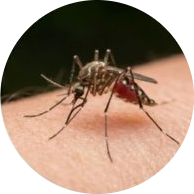
Mosquitoes are blood-feeding insects that make outdoor living uncomfortable and spread disease. They breed in standing water and are most active at dawn and dusk, seeking warmth and carbon dioxide. Reducing mosquito habitats and using effective control strategies helps protect your family and pets while making your yard more enjoyable.
Questions
- 2 to 6 mm
- Six legs
- Long proboscis
- Slender body with long legs
- Lightweight, weak fliers
- Used to bite and feed
1. What blood type do mosquitoes like the most?
Mosquitoes are most attracted to people with Type O blood , according to multiple studies. Many individuals also release skin chemicals that signal blood type, increasing bites. However, blood type is only one factor—carbon dioxide, body heat, sweat, and skin bacteria usually matter more than blood type alone.
2. What do mosquitoes eat?
Most mosquitoes eat plant sugars , including nectar and fruit juices. Only female mosquitoes bite , using blood meals to get protein for egg production. Male mosquitoes never bite. Mosquito larvae feed on algae and organic matter in water, while adults rely mainly on sugar for daily energy.
3. Why do mosquitoes bite me so much?
Mosquitoes bite certain people more due to genetics, body chemistry, and behavior . High carbon dioxide output, body heat, sweat compounds, skin bacteria, dark clothing, and Type O blood all increase attraction. Exercise, pregnancy, and alcohol can also raise bite risk by increasing heat and scent signals.
4. Do mosquitoes bite dogs?
Yes, mosquitoes bite dogs, usually targeting areas with less fur such as ears, nose, belly, and tail. Beyond itching, the main risk is heartworm disease , which mosquitoes transmit. Dogs should stay on veterinarian-approved heartworm prevention and avoid outdoor exposure during peak mosquito activity times.
5. When do mosquitoes go away?
Mosquitoes usually disappear when temperatures stay below 50°F (10°C) or after the first hard frost. Most adults die, while some species survive winter as eggs or dormant females. In warm climates, mosquitoes may remain active year-round or only disappear briefly during cooler periods.
6. What plants repel mosquitoes?
Mosquito-repelling plants release strong natural oils that mask human scent. Effective options include citronella, lavender, basil, rosemary, catnip, mint, and marigolds . These plants work best when crushed or placed near patios and entryways, though they offer mild protection compared to topical repellents.
7. Why do mosquitoes exist?
Mosquitoes play important roles in ecosystems. They serve as food for birds, bats, fish, and insects , help recycle nutrients in water during the larval stage, and pollinate some plants. While a few species spread disease, most mosquitoes exist as part of balanced natural food chains.
8. Where do mosquitoes live?
Mosquitoes live near standing or slow-moving water , which they need to breed. Common habitats include ponds, swamps, clogged gutters, birdbaths, plant containers, and storm drains. Adult mosquitoes rest in shaded, damp areas like tall grass, bushes, garages, and basements during the day.
9. Where do mosquitoes go in the winter?
In winter, mosquitoes survive by entering dormancy (diapause) . Some species overwinter as eggs that hatch in spring, while adult females hide in sheltered places like basements, tree holes, sewers, or sheds. Cold temperatures slow their metabolism until warm conditions return.
10. What would happen if mosquitoes went extinct?
If mosquitoes disappeared, millions of disease-related deaths could be prevented worldwide. Some animals would lose a food source, and certain ecosystems—especially Arctic wetlands—might be affected. Most scientists believe ecosystems would adapt over time as other insects fill similar ecological roles.
11. Can you be allergic to mosquito bites?
Yes, some people are allergic to mosquito bites, a condition known as Skeeter syndrome . It happens when the immune system overreacts to mosquito saliva, causing large swelling, redness, warmth, and intense itching. Severe reactions are rare but may require medical attention, especially in children.
12. When are mosquitoes most active?
Mosquitoes are most active during dawn and dusk , when temperatures are warm, humidity is high, and wind is low. These conditions help them fly and locate hosts. Some species, like Asian tiger mosquitoes, also bite during the day, especially in shaded or humid areas.
13. Why do mosquitoes need blood?
Only female mosquitoes need blood because it provides protein and iron required to develop eggs. Blood is not food for energy—both male and female mosquitoes rely on nectar for fuel. A single blood meal allows a female to produce dozens or even hundreds of eggs.
14. What are mosquitoes good for?
Mosquitoes contribute to ecosystems by serving as food for birds, bats, fish, and insects . Their larvae help recycle nutrients in water, and adults pollinate certain plants while feeding on nectar. Although some species spread disease, most play supporting roles in natural food chains.
15. How to bite a mosquito back?
You can’t literally bite a mosquito back, but you can fight them smartly. Reduce itching with ice or heat, prevent future bites using repellents, and eliminate standing water where they breed. Fans also help, since mosquitoes are weak fliers and avoid strong airflow.
16. Do mosquitoes have a purpose?
Yes, mosquitoes have ecological purposes despite being pests to humans. They act as pollinators , recycle nutrients during their larval stage, and provide food for many animals. While a few species transmit disease, most mosquitoes support ecosystem balance rather than disrupt it.
17. Which blood type do mosquitoes hate?
Mosquitoes are generally least attracted to Type A blood . Studies show they prefer Type O most, followed by B and AB. However, blood type matters less than factors like carbon dioxide, body heat, sweat, skin bacteria, and genetics, which influence bite frequency more strongly.
18. Why don’t mosquitoes bite me?
Mosquitoes may avoid you due to your body chemistry , including skin bacteria, lower carbon dioxide output, or natural scents they find unattractive. Some people also react less to bites and don’t notice them. Genetics, metabolism, and nearby “mosquito magnets” also affect who gets bitten.
19. Do mosquitoes prefer a certain blood type?
Yes, mosquitoes show a preference for Type O blood , landing on those individuals more often in studies. Type A is usually the least attractive. Still, blood type is only one factor—carbon dioxide levels, sweat chemicals, body heat, and genetics usually play a bigger role.
20. How to kill mosquito larvae?
Kill mosquito larvae by eliminating standing water or treating it with larvicides like BTI mosquito dunks , which are safe for pets and wildlife. Small containers can be drained or scrubbed. Larvae need water to survive, so water removal is the most effective control method.
Share