
Top 17 Flying Ants Question Answered by Pest Experts
Flying ants are winged reproductive ants that emerge from established colonies during warm, humid weather to mate and start new nests. Often seen in large swarms, they are a natural part of the ant life cycle. While usually harmless, their presence near homes can signal nearby colonies that may need management.
Questions
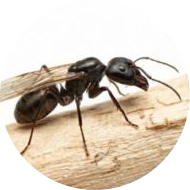
- 6 to 15 mm
- Six legs
- Elbowed antennae
- Segmented body
- Two pairs of wings
- Swarm seasonally
1. Where do flying ants come from?
Flying ants come from mature ant colonies that have reached reproductive age. During warm, humid weather, winged males and females leave nests in soil, trees, or structures to mate and form new colonies. Large indoor swarms often indicate a nearby or hidden nest.
2. What are flying ants?
Flying ants are reproductive ants, called alates, produced by established colonies. Their role is to mate and start new nests during seasonal swarms. They have wings, bent antennae, and pinched waists, which helps distinguish them from termites. After mating, wings are shed.
3. Are flying ants dangerous?
Flying ants are not dangerous to people. They rarely bite or sting and are focused on mating, not attacking. However, indoor swarms can signal a carpenter ant infestation, which may lead to structural damage. The concern is property risk, not personal health.
4. How do you get rid of flying ants?
To get rid of flying ants, vacuum them immediately and use soap-and-water spray for quick control. Seal entry points, reduce moisture, and remove food sources. For long-term prevention, use ant baits to eliminate the colony. Swarms usually last only a few days.
5. What are flying ants attracted to?
Flying ants are attracted to light, warmth, moisture, and sugary food sources. They commonly gather near windows, porch lights, kitchens, and damp areas. Warm, humid weather triggers mating flights, while indoor lighting and leaks draw them inside during evening hours.
6. Do flying ants sting?
Most flying ants do not sting or bite humans. They are not aggressive and typically only react if crushed or handled. Some species, like fire ants, can sting defensively, while carpenter ants may bite. Reactions are usually mild and not medically serious.
7. Why do flying ants suddenly appear at night?
Flying ants appear at night due to synchronized mating flights triggered by warm, humid conditions, often after rain. Darkness and calm air improve survival, while artificial lights attract them indoors. These swarms are temporary and usually disappear within a short period.
8. What causes flying ants in your house?
Flying ants inside a house are usually reproductive ants from a nearby or internal nest. Warm weather triggers swarming, while indoor light, moisture, and food attract them. Entry points include cracks, windows, doors, and damaged wood. Large numbers may indicate infestation.
9. How to get rid of flying ants outside?
To get rid of flying ants outside, spray active swarms with soapy water to kill them on contact. Then locate and treat nearby ant nests using boiling water, diatomaceous earth, or outdoor insecticides. Reducing moisture, food debris, and standing water helps prevent future swarms from forming.
10. Where do flying ants live?
Flying ants live in established ant colonies located in soil, under rocks, inside decaying wood, or beneath patios and foundations. They are not a separate species. When colonies mature, certain ants develop wings and temporarily leave the nest to mate during warm, humid weather.
11. What do flying ants eat?
Flying ants mainly consume sugary liquids like nectar, plant sap, and honeydew from aphids. They may also feed on food crumbs, grease, and small insects when available. Their diet provides energy for mating flights, but eating is secondary to reproduction during the swarming phase.
12. How to keep flying ants out of a pool?
To keep flying ants out of a pool, reduce nighttime lighting, use a pool cover, and skim the surface regularly. Peppermint or lavender oil around the deck can repel them. Tennis balls floating on the water also help by attracting ants away for easy removal.
13. What happens if a flying ant bites you?
If a flying ant bites you, symptoms are usually mild and include slight pain, redness, or itching. Most flying ants are not aggressive and only bite when trapped or crushed. Reactions typically fade within a day or two and rarely require medical treatment.
14. Are flying ants real?
Yes, flying ants are real. They are regular ants in their reproductive stage, known as alates. These winged males and females emerge from mature colonies to mate during warm, humid weather. After mating, males die and females shed wings to start new colonies.
15. When do flying ants come out?
Flying ants usually come out during hot, humid, and calm weather, most often in summer. Swarms commonly appear after rainfall when conditions are ideal for mating. This period is often called “flying ant season” and can occur multiple times between June and September.
16. What’s the difference between flying ants and termites?
Flying ants have bent antennae, a narrow waist, and front wings longer than the back wings. Termites have straight antennae, thick waists, and equal-sized wings. Termites eat wood and cause major damage, while flying ants primarily swarm for reproduction.
17. What do flying ants do?
Flying ants leave their colonies to mate during synchronized swarms called nuptial flights. After mating, males die and fertilized females shed their wings and establish new nests. Their role is reproduction, not foraging or damage, although indoor swarms may signal nearby colonies.
Share