
Top 18 Bed Bugs Question Answered by Pest Experts
Bed bugs are tiny, elusive pests that feed on human blood while you sleep, leaving itchy bites and stress in their wake. They hide in mattresses, furniture, and cracks, spreading quickly if not treated. Detecting an infestation early and acting fast is key to protecting your home and your family’s comfort.
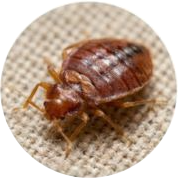
Questions
- 4 to 7 mm
- Six legs
- Oval shape
- Small, flat body
- Slow crawlers
- Reddish-brown color
1. Where do bed bugs hide?
Bed bugs hide in tight, dark spaces close to where people sleep. Common spots include mattress seams, box springs, bed frames, headboards, and nearby furniture. As infestations grow, they spread to wall cracks, electrical outlets, baseboards, curtains, luggage, clothing, and clutter within a few feet of the bed.
2. Does alcohol kill bed bugs?
Alcohol can kill bed bugs on direct contact by drying them out, but it is not a reliable solution. It does not kill eggs, has no lasting effect, and evaporates quickly. Alcohol is also highly flammable, making it unsafe for mattresses and furniture and ineffective for treating infestations.
3. How do bed bugs spread?
Bed bugs spread by hitchhiking on luggage, clothing, backpacks, furniture, and other personal items. They also move between rooms or apartments through wall gaps, pipes, and electrical lines. Travel, second-hand furniture, shared laundry areas, and multi-unit buildings are the most common sources of spread.
4. Can bed bugs live in your hair?
Bed bugs do not live in human hair. They lack the ability to grip hair or stay attached like lice. While a bed bug may briefly crawl on the scalp to bite, it leaves afterward and returns to hiding spots such as mattresses, furniture, or cracks near sleeping areas.
5. What attracts bed bugs?
Bed bugs are attracted to people, not dirt. They locate hosts using carbon dioxide from breathing, body heat, and human scent from sweat or skin oils. Clutter, dirty laundry, and bedding provide hiding spots. Most infestations start when bed bugs enter homes through travel or used furniture.
6. Does rubbing alcohol kill bed bugs?
Rubbing alcohol can kill bed bugs on direct contact by dehydrating them, but it is not a reliable treatment. It evaporates quickly, does not kill hidden bugs or eggs consistently, and offers no residual protection. Because it is highly flammable, using alcohol indoors is unsafe and not recommended.
7. What kills bed bugs instantly and permanently?
High heat is the most effective way to kill bed bugs instantly and permanently. Professional heat treatment, steam, and high-heat drying kill all life stages, including eggs. While some sprays kill on contact, long-term elimination requires treating every hiding spot at the same time to prevent reinfestation.
8. Do bed bugs bite dogs?
Yes, bed bugs can bite dogs, especially when humans are not available. They prefer people but will feed on dogs in exposed areas like the belly or ears. Bed bugs do not live on pets. Bites may cause itching or irritation, but treating the home environment is essential to stop the problem.
9. Does bleach kill bed bugs?
Bleach can kill bed bugs only if it touches them directly, which rarely happens. It does not penetrate mattresses, cracks, or furniture where bugs hide, and it does not reliably kill eggs. Bleach is also toxic and damaging to surfaces, making it an unsafe and ineffective bed bug treatment.
10. Are bed bugs contagious?
Bed bugs are not contagious like a disease. They do not spread through human contact or live on skin. However, they spread easily by hitchhiking on clothing, luggage, furniture, and bags. This makes infestations feel contagious, especially in apartments or shared spaces, even though no illness is involved.
11. Does UV light kill bed bugs?
UV-C light can kill bed bugs and eggs if they are exposed directly for enough time. However, it does not penetrate mattresses, furniture, or cracks where bed bugs hide. Because exposure must be direct and prolonged, UV light is not a practical or complete solution for infestations.
12. How do bed bugs get in your house?
Bed bugs usually enter homes by hitchhiking on luggage, clothing, bags, or used furniture. Travel, overnight guests, secondhand items, and shared living spaces are common sources. They do not come from dirt or pets and rarely move far on their own without human help.
13. Does cold kill bed bugs?
Extreme cold can kill bed bugs and their eggs, but only under strict conditions. Items must be kept at 0°F (-18°C) or colder for at least four full days. This method works for small items in freezers, not for whole rooms or furniture.
14. Do bed bugs bite cats?
Yes, bed bugs can bite cats, although humans are their preferred host. They do not live in fur like fleas, but may bite cats on exposed skin such as the belly or legs. Bites can cause itching or irritation, especially during heavy home infestations.
15. How much does bed bug treatment cost?
Bed bug treatment costs usually range from $300 to $1,500 for localized infestations. Whole-home or heat treatments often cost $1,500 to $5,000 or more. Pricing depends on infestation severity, number of rooms, treatment method, and whether multiple visits are needed.
16. Can bed bugs live outside?
Bed bugs can survive outdoors for short periods, but they do not live or thrive there. They need regular human blood meals and stable indoor temperatures. Outdoors, they may temporarily hide on patio furniture or debris, but they actively seek indoor environments where survival and reproduction are possible.
17. How often do bed bugs feed?
Bed bugs usually feed every 5 to 10 days, mostly at night while people sleep. In warmer conditions, feeding may happen more often. Even so, bed bugs are highly resilient and can survive for months without feeding, which allows infestations to persist even when hosts are temporarily unavailable.
18. How do bed bugs reproduce?
Bed bugs reproduce through traumatic insemination, where the male injects sperm directly into the female’s body. A fertilized female lays 1–5 eggs per day, up to hundreds in her lifetime. Eggs hatch within about a week, allowing populations to grow rapidly if untreated.
Share