
Top 18 Ants Question Answered by Pest Experts
Ants are among the most common pests homeowners face, invading kitchens, pantries, and outdoor spaces in search of food and water. These tiny invaders travel in organized trails, quickly forming colonies that are hard to eliminate without professional help. Effective ant control starts with identifying the species, locating nests, and stopping their access points.
Questions
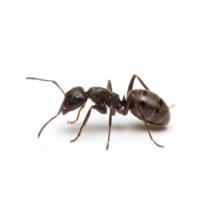
- 2 to 25 mm
- Six legs
- Bent antennae
- Small to medium-sized
- Strong walkers
- Always moving
1. What do ants eat?
Ants are omnivores that eat both sugary and protein-rich foods. Common foods include nectar, fruit, honeydew from aphids, dead insects, meat scraps, grease, and crumbs. Inside homes, ants are attracted to sweets, pet food, and oils. Different ant species adjust their diet based on availability.
2. How long do ants live?
An ant’s lifespan depends on its role in the colony. Worker ants usually live for weeks to months, sometimes up to a year. Male ants live only days or weeks after mating. Queen ants live the longest and can survive for several years, sometimes even decades.
3. Does vinegar kill ants?
Vinegar mainly repels ants rather than killing the colony. It disrupts the scent trails ants use to navigate, causing them to avoid treated areas. Vinegar can kill ants on direct contact, but once the smell fades, ants often return unless the nest and queen are eliminated.
4. Does baking soda kill ants?
Baking soda can kill ants when they eat it. It reacts with acids in their digestive system and causes internal damage. For effectiveness, baking soda must be mixed with powdered sugar to attract ants. While safer than chemicals, this method works slowly and may not stop large infestations.
5. How to get rid of ants in the house quickly?
To remove ants quickly, clean up food and moisture, spray visible ants with soap or vinegar to disrupt trails, and place ant baits near entry points. Baits work best because ants carry poison back to the nest. Sealing cracks helps prevent new ants from returning.
6. Do ants have brains?
Yes, ants have brains, even though they are very small. Each ant has a central brain that controls learning, memory, and decision-making, plus additional nerve clusters throughout its body. This distributed system allows ants to communicate, navigate, and work together efficiently inside complex colonies.
7. Does bleach kill ants?
Bleach kills ants on direct contact by damaging their bodies and destroying scent trails they use to navigate. However, it does not kill the nest or queen, so ants often return. Bleach works as a short-term cleaner and contact killer, not a permanent ant control solution.
8. Do ants have wings?
Only certain ants have wings. Winged ants are reproductive males and future queens, called alates. They develop wings for mating flights and appear seasonally. Worker ants, which make up most of the colony, are wingless. After mating, queens shed their wings and start new nests.
9. How to keep ants away?
To keep ants away, remove food and moisture sources by cleaning spills, sealing food, and fixing leaks. Seal cracks and entry points with caulk. Natural repellents like vinegar, peppermint oil, or citrus can disrupt ant trails. For lasting control, use baits that target the colony.
10. Why do flying ants suddenly appear?
Flying ants appear suddenly during warm, humid weather for mating flights known as nuptial flights. Mature colonies release winged ants at the same time to reproduce. These swarms usually last only a few hours. After mating, males die and females shed wings to form new colonies.
11. Does cinnamon kill ants?
Cinnamon does not usually kill ants, but it works as a natural repellent. Its strong scent disrupts pheromone trails ants use to navigate, causing them to avoid treated areas. Sprinkling ground cinnamon near entry points can help prevent ants from entering, but it will not eliminate an existing colony.
12. How to get rid of tiny ants?
To get rid of tiny ants, use bait-based solutions that target the colony. Liquid ant baits or sugar mixed with borax work best because ants carry them back to the nest. Clean food residue, spray vinegar on trails, and seal cracks to stop new ants from returning.
13. How to get rid of ant hills?
Ant hills can be eliminated by targeting the nest directly. Pouring boiling water into the mound kills ants on contact, while borax or bait-based treatments can destroy the colony over time. For best results, apply treatments deep into the mound so the queen is affected.
14. How do ants communicate?
Ants communicate mainly through chemical signals called pheromones. These scent trails guide others to food, warn of danger, or signal mating. Ants also use touch through their antennae and, in some species, vibrations or body movements to coordinate complex colony behavior.
15. Can people smell ants?
Some people can smell ants, especially when they are crushed or present in large numbers. Certain species release chemicals like formic acid or methyl ketones, which smell sour, vinegary, or like blue cheese. Sensitivity varies by person, and most people cannot detect these odors.
16. Do ants feel pain?
Ants do not feel pain like humans, but they do respond to harmful stimuli through a process called nociception. They can detect injury and react by avoiding danger or tending wounds. While ants lack emotional awareness, scientific studies suggest they experience physical discomfort.
17. How strong are ants?
Ants are extremely strong relative to their size. Many species can lift 10 to 50 times their body weight, thanks to their lightweight exoskeleton and efficient muscles. Their strength allows them to carry food, build nests, and work together to move objects far larger than themselves.
18. Why do ants carry dead ants?
Ants carry dead ants to keep their colony clean and prevent disease. Dead ants release chemical signals that trigger removal behavior. Worker ants transport bodies to designated disposal areas outside the nest, protecting the queen and larvae while maintaining a healthy living environment.
Share