
How to Get Rid of Rat/Mouse Pee Smell?

Written by Jack Hayes
Last updated on October 20, 2026
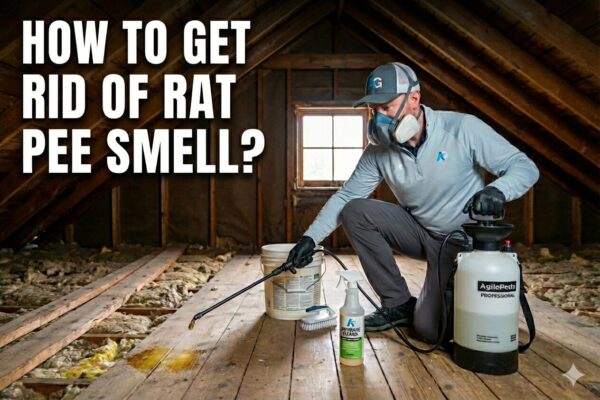
You’ve cleaned, sprayed, opened windows… yet that rat or mouse pee smell still hangs in the air. That’s a common frustration for homeowners. Rodent urine can leave a sharp, musky, ammonia-like odor, and it can soak into materials long after the visible mess is gone.
The good news is that the odor can often be removed, but the process requires more than covering it with fragrance.
In this guide, you’ll learn what rodent urine smells like, how to clean it safely, and what can stop the odor from coming back.
Key Takeaways
◉ Rat and mouse urine can smell sharp, musky, or ammonia-like, especially where rodents have been active repeatedly.
◉ Safe cleanup starts with wet disinfection. Do not sweep or vacuum dry rodent urine, droppings, or nesting material.
◉ Odor treatment comes after disinfection. Enzyme-based odor cleaners may help on compatible surfaces, but they do not replace safe cleanup.
◉ Different materials need different cleaning methods. Carpet, unfinished wood, insulation, drywall, and vehicle interiors can hold contamination below the surface.
◉ If the smell keeps returning, hidden contamination or ongoing rat or mouse activity may still be present.
What Does Rat or Mouse Pee Smell Like?
Rat and mouse urine is often described as sharp, musky, and ammonia-like. The odor may be more noticeable inside cabinets, attics, wall areas, closets, or other enclosed spaces where urine has accumulated.
A similar sharp smell can also come from cat urine and other sources, so odor alone does not prove that rats or mice are responsible. Look for other signs nearby, including droppings, gnaw marks, nesting material, tracks, or fresh urine spots. The UC Statewide IPM Program also identifies a musky odor as a common sign of larger or long-term house-mouse infestations.
Why Rat and Mouse Urine Smell Is So Strong (And Why It Lingers)
Rodent urine contains ammonia-like compounds and scent markers that stay active long after the liquid dries. That’s why the smell doesn’t fade the way normal household odors do. Rats and mice use urine to mark territory, so the scent is designed to last and signal other rodents.
The real issue is how deep the urine travels. It seeps into wood, drywall, carpet padding, and insulation, then slowly releases odor back into the air. Warm rooms, humidity, and poor airflow can make it feel stronger over time.
Understanding this helps you avoid quick fixes that only mask the smell. Removing what’s soaked into materials is what actually stops it from lingering.
What We Often See in Homes With Lingering Rat or Mouse Pee Smell
A common situation goes like this. A homeowner cleans the floor several times, sprays air fresheners, and even shampoos the carpet. The room smells better for a day or two, then the odor slowly comes back, stronger near a wall or cabinet.
During inspections in cases like this, the surface usually looks clean. The real source turns out to be urine soaked into hidden areas like baseboards, insulation, or underneath flooring, where regular cleaning never reaches. Because the material stays contaminated, humidity and warmth keep releasing odor back into the air.
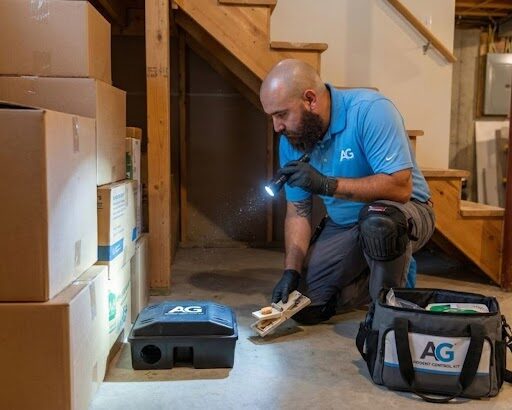
This kind of scenario shows why repeated surface cleaning feels frustrating. The smell isn’t returning because cleaning failed. It returns because the source sits deeper than what’s visible at first glance.
A Homeowner Who Found Mouse Droppings Indoors
One homeowner of Holmdel woke up to mouse droppings on their kitchen counter and floor and called for help the same day. After Isaac set traps and followed up to remove mice and reset traps, they said they haven’t seen new droppings since.

Why Rat or Mouse Pee Smell Can Return After Cleaning
A homeowner may clean a floor several times, spray air freshener, or shampoo a carpet and notice that the room smells better for a day or two.
Then the odor returns near the same cabinet, wall, or floor area. In that situation, the visible surface may no longer be the main source. Urine may have reached carpet padding, unfinished wood, baseboards, insulation, or material underneath the flooring.
Repeatedly covering the odor will not solve contamination that remains below the surface. Finding the affected material is more important than adding stronger fragrance.
How to Get Rid of Rat Pee Smell Step-by-Step (Safe Cleaning Process)
Start with safe cleanup before trying to deodorize the area. The CDC recommends wet-cleaning rodent urine and droppings rather than sweeping or vacuuming them dry.
1. Ventilate the Area
For an enclosed room or outbuilding, open doors and windows before cleaning. CDC guidance recommends ventilating homes and outbuildings for about 30 minutes and leaving the area during that period.
2. Put On Rubber or Plastic Gloves
Avoid touching rodent urine, droppings, nesting material, or contaminated surfaces with bare hands.
3. Wet the Contamination Thoroughly
Spray urine and droppings with a household disinfectant or an appropriate fresh bleach solution until the material is very wet. Do not spray lightly and immediately start wiping.
4. Allow the Disinfectant to Work
Let the area remain wet for about five minutes or for the contact time stated on the disinfectant label.
5. Wipe Up the Material
Use paper towels to remove the urine, droppings, and cleaning solution. Place the used towels in a covered trash container.
6. Disinfect the Surrounding Surface
Clean nearby hard surfaces with disinfectant. Wash your gloved hands before removing the gloves, then wash your bare hands thoroughly with soap and warm water.
Once the contamination has been safely cleaned, you can address any residual odor that remains.
What to Wear Before Cleaning Rodent Urine
Before touching any affected area, protect yourself.
Recommended gear:
- ◉ Disposable gloves
- ◉ Mask or respirator
- ◉ Long sleeves and closed shoes
- ◉ Eye protection if working in tight spaces
Protection matters since dried urine can turn into airborne particles during cleaning.
What NOT to Do When Cleaning Mouse Pee
Some habits make the smell worse or spread contamination:
◉ Don’t vacuum or sweep dry droppings
◉ Don’t use strong bleach right away on porous surfaces
◉ Don’t mix multiple cleaners together
◉ Don’t scrub aggressively before disinfecting
Skipping these mistakes keeps the odor from spreading through the room.
Best Ways to Remove Lingering Rat and Mouse Urine Odor
Cleaning rodent urine involves two different jobs: disinfection and odor removal. Disinfection comes first. Once the contaminated material has been cleaned safely, you can deal with any odor that remains.
Methods that work well:
- ◉ Enzyme cleaners that digest odor-causing material
- ◉ Baking soda to absorb the remaining scent after cleaning
- ◉ Odor-neutralizing sprays designed for pet or wildlife accidents
- ◉ Air filtration with HEPA filters to reduce lingering particles
The goal is to remove the source of the odor rather than continually covering it.
How to Remove Rat or Mouse Pee Smell From Floors, Carpet, Wood, and Walls
Different materials hold rodent urine differently.
Hard Floors and Other Nonporous Surfaces
Wet-disinfect the contaminated area first and wipe it clean according to the disinfectant label. Once the surface is clean and dry, an odor-removing product that is compatible with the flooring can be used if a smell remains.
Carpets and Rugs
Do not start by dry-vacuuming an area that contains rodent waste. Clean visible contamination safely first. Afterward, carpet or upholstery can be cleaned with a product suitable for that material. If urine has reached the carpet padding, cleaning the surface fibers alone may not solve the odor.
Wood Surfaces
Finished wood may be easier to clean because the surface coating limits absorption. Unfinished wood can absorb urine more deeply. After safe disinfection, persistent odor may require additional odor treatment, sealing, refinishing, or replacement depending on how deeply the contamination has penetrated.
Drywall, Insulation, and Hidden Materials
Wall cavities and insulation are harder to clean because the contaminated material may not be accessible from the room.
If exposed insulation is contaminated with rodent urine or droppings, it should be carefully removed and placed in plastic bags for disposal. Persistent odors from drywall, insulation, carpet padding, or a subfloor may indicate that surface cleaning alone is no longer enough.
Is Rat or Mouse Urine Smell Dangerous?
The smell itself is not a reliable measure of disease risk. The more important concern is contact with contaminated rodent urine, droppings, nesting material, or particles that become airborne when untreated waste is disturbed.
That is why dry sweeping or vacuuming rodent waste is discouraged. If you are dealing with a heavy infestation, widespread contamination, or an illness that began after rodent exposure, contact an appropriate healthcare professional and mention the exposure.
Why Rodent Urine Smell Keeps Coming Back (Common Mistakes People Make)
Many homeowners clean an area once and expect the odor to disappear, but hidden contamination can keep releasing odor.
Common reasons the smell returns include:
◉ Urine soaked into insulation, carpet padding, wood, or subflooring
◉ Contaminated material hidden behind walls or cabinets
◉ Using scented cleaners that cover the odor without removing its source
◉ An active rat or mouse problem continuing in the same area
A recurring smell is therefore worth investigating rather than repeatedly spraying.
If fresh droppings, gnaw marks, or scratching sounds appear after cleanup, the problem may involve active rodents rather than old contamination alone.
When DIY Odor Removal Isn't Enough
Sometimes the smell stays after careful cleaning because urine has reached material that normal wiping cannot fix.
Professional help becomes more practical when:
◉ Strong odor returns soon after cleanup
◉ Urine has reached insulation, subflooring, wall voids, or other inaccessible areas
◉ Odor appears to move through vents or HVAC areas
◉ New droppings, gnaw marks, or scratching sounds continue
◉ A large amount of contaminated material needs to be removed
At that point, the goal is not simply to deodorize the room. You need to find the contaminated material and determine whether rats or mice are still active. Agile Pest Control’s professional rodent control service can help identify rodent activity, entry points, and problem areas when the underlying infestation has not been resolved.
A Homeowner Who Found Mouse Droppings Indoors
One homeowner woke up to find mouse droppings on their kitchen counter and floor and called Agile Pest Control for help that same day. After traps were set and a follow-up service was completed, the homeowner reported seeing no new droppings.
Frequently Asked Questions
Does rat urine smell like cat urine?
Yes. Rat, mouse, and cat urine can all smell sharp and ammonia-like. Because odors overlap, use droppings, gnaw marks, tracks, or nesting material to identify the animal.
What does rat urine look like, and what color is it?
Fresh rat urine can be hard to see, but it may look pale yellow. Dried residue can appear yellowish, dull, or crusty depending on the surface.
Is mouse urine sticky when it dries?
Yes, dried mouse urine can feel sticky or crusty, especially when dust and grime collect on it. Check for droppings, gnaw marks, or tracks to confirm rodent activity.
How to get mouse pee smell out of car interiors?
Air out the vehicle, disinfect and remove any rodent waste before vacuuming, then clean affected upholstery and carpet. Replace contaminated nesting material or cabin filters if needed.
Is the smell of rat urine harmful to breathe in?
The odor itself is not a reliable measure of health risk. The bigger concern is disturbing contaminated urine, droppings, or nesting material and making particles airborne.
Share
0/5
(0 Reviews)