
How Do Rats Get Inside Your House? Hidden Entry Points and Fixes

Written by Jack Hayes
Last updated on June 20, 2026

On this page
If you’ve heard scratching at night or found droppings near the kitchen, you’re not imagining it. Rats can get inside faster than expected, and they don’t need a wide-open door to do it.
Once they find food, water, or shelter, they’ll keep coming back.
In this guide, we’ll break down the hidden entry points, the early warning signs, and the simple steps that stop the problem before it gets worse.
Key Takeaways
- ◉ Rats come inside for three reasons: food, water, and shelter. And if you don’t remove those, new rats keep replacing the ones you trap.
- ◉ Most rat entry happens through small, hidden gaps like garage corners, worn door seals, and siding cracks, not “big open doors.”
- ◉ Rats use your home’s weak spots like pipe openings and utility lines as direct tunnels into walls, which is why sealing only one hole rarely works.
- ◉ A rat can fit through a shockingly small opening, and if it’s close, it will chew it wider, so soft patches and foam don’t last.
- ◉ The real fix is full coverage exclusion + pressure reduction: block every entry point with rat-proof materials and reduce outdoor attractors so the activity stops for good
Why Rats Come Inside in the First Place (Food, Water, Shelter)
Rats don’t come inside because your house is “dirty.” They come inside because it’s easy to survive there. Outdoors, they deal with cold, rain, predators, and limited food. Inside, they get the three things they want most: food, water, and shelter.
What usually pulls them in:
- ◉ Food smells (trash, pet food, pantry items)
- ◉ Water access (leaks, bowls, damp areas)
- ◉ Safe hiding spots (walls, attics, crawl spaces)
Why this matters: if you only trap rats but don’t remove what’s attracting them, new ones will keep showing up.
Common Rat Entry Points Around the House
Start with the garage door corners, pipe openings under sinks, and the foundation line-those are the top 3 weak spots we see most.
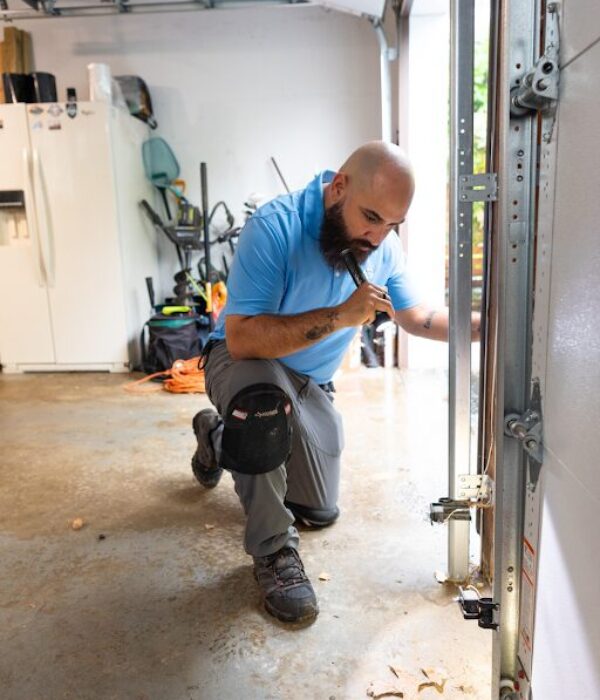
Gaps at Doors, Garage Doors, and Weather Stripping
This is one of the most common entry points.
◉ Worn weather stripping
◉ Small gaps under doors
◉ Garage door corners that don’t seal tightly
Why this matters: one loose seal can become a nightly doorway.
Foundation Cracks and Siding Gaps Near the Ground
Rats stay low and move along edges.
◉ Cracks in foundation blocks
◉ Gaps where siding meets the ground
◉ Open corners near patios or steps
Why this matters: these spots are hidden, so rats get in without being noticed.
Around Pipes, AC Lines, and Utility Penetrations
Anywhere something enters your home, rats can follow.
◉ Plumbing lines under sinks
◉ AC line openings
◉ Cable or electrical entry holes
Why this matters: these gaps often lead straight into wall voids.
Vents, Chimneys, Soffits, and Roofline Openings
Rats can climb better than most people expect.
◉ Damaged vent covers
◉ Loose soffits
◉ Roofline gaps near the fascia
Why this matters: roof access can turn into attic access fast.
From the Yard: Trees, Fences, and Wires as “Highways”
Rats use your yard like a path system.
◉ Overhanging branches
◉ Fence lines leading to the home
◉ Wires connecting to the roof
Why this matters: if the outside route stays open, rats keep reaching the house even after you remove them.
How Rats Get Into Your Attic
Rats can reach the attic even if the main floor looks sealed.
They often climb first, then look for a weak spot near the roofline.
Common attic entry routes include:
◉ Loose soffits
◉ Damaged roof vents
◉ Gaps near fascia boards
◉ Chimney openings without proper covers
◉ Tree branches touching the roof
◉ Wires or pipes leading upward
Why this matters: Once rats reach the attic, they can damage insulation, wiring, storage boxes, and ceiling areas before you ever see them.
Action step: Check roof edges, vents, and soffits from the ground first. If you see gaps, droppings, or rub marks, that area needs attention.
Simple takeaway: If rats can climb to the roof, they may find a way into the attic.
How Rats Get Into Apartments
Apartment rat problems can start inside one unit, but they often involve shared spaces.
Rats may move through:
◉ Wall voids between units
◉ Utility pipe openings
◉ Shared basement areas
◉ Trash rooms or dumpster zones
◉ Gaps under apartment doors
◉ Holes behind kitchen or bathroom plumbing
Why this matters: You may keep your unit clean and still see rats if the building has open access points nearby.
What to check:
◉ Under sinks
◉ Behind appliances
◉ Around radiator or pipe openings
◉ Door sweeps near hallways
◉ Shared laundry or storage areas
Simple takeaway: In apartments, sealing only your unit may not be enough if rats are moving through shared routes.
What We Commonly Find During Rat Entry Inspections
A homeowner hears scratching in the wall and finds a few droppings in the garage. They seal a small gap under the door, move the trash cans farther away, and set a couple of traps. For a night or two, things get quieter. It feels like the problem might be over.
Then the scratching starts again.
That’s usually when they call us.
When we inspect homes like this, the issue is almost never just one hole. In one case, the homeowner had sealed a visible gap near the garage door. But a few feet away, there was another opening along the foundation line. Above that, an unsealed utility pipe led straight into the wall. And up near the roofline, a loose soffit gave the rats an easy attic route.
The rats didn’t stop coming inside. They just changed which entrance they used.
That’s what catches most homeowners off guard. Rats don’t rely on a single entry point. They build options. When one route closes, they switch to the next one that still works.
Once we sealed all the access points with rat-proof materials and reduced the outdoor pathways leading to the house, the activity stopped for good.
This is why rat entry has to be treated as a full-coverage problem, not a single repair. When every route is blocked at the same time, rats lose access altogether—and that’s when the problem finally ends.
How Small of a Hole Can a Rat Fit Through? (And Why Chewing Makes It Worse)
Rats can squeeze through shockingly small gaps. If their head fits, the rest of the body usually can too. And even if the opening is almost small enough to block them, they’ll often chew it wider.
Here’s what makes it worse:
- ◉ Rats have strong teeth that never stop growing
- ◉ They chew wood, plastic, soft sealants, and even thin siding
- ◉ A small gap can turn into a real entry hole fast
Why this matters: if you don’t seal openings with rat-proof materials, the “repair” won’t last. The rat just reopens the same spot and keeps using it.
Action step: treat every small gap like it matters, because it does.
Signs Rats Are Getting In (Even If You Haven’t Seen One Yet)
Most homeowners don’t see the rat first. They notice the trail it leaves behind.
Droppings, Gnaw Marks, Greasy Rub Marks, Noises, Nesting
Common warning signs include:
- ◉ Droppings along walls, under sinks, or near trash
- ◉ Gnaw marks on food boxes, wood, or wiring
- ◉ Greasy rub marks on baseboards and corners
- ◉ Scratching noises in walls, ceilings, or attics at night
- ◉ Nesting material like shredded paper or insulation
Why this matters: rats move fast and breed fast. Catching these early signs can keep a “small issue” from turning into a full infestation.
Quick check: look along edges. Rats don’t run through the middle of a room; they hug walls and hidden paths.
What Attracts Rats Around Your House (And Pulls Them Inside)
Rats don’t randomly pick homes. They follow easy food, steady water, and safe hiding spots. If your yard has those, rats hang around. And once they’re close, getting inside becomes the next step.
Why this matters: removal without fixing attractants is temporary. Another rat will replace the last one.
Customer Review From a Homeowner With Mice Showing Up Indoors
Agile Pest Control helped an Eatontown homeowner manage earwigs and mice at the same time, and the flexible, friendly service left them very satisfied.

Trash, Pet Food, Bird Seed, Fallen Fruit, Compost
These are the biggest food triggers:
◉ Loose trash lids or spilled garbage
◉ Pet food left outside overnight
◉ Bird seed piles under feeders
◉ Fallen fruit under trees
◉ Open compost with food scraps
Action step: do a quick “dusk cleanup.” If food isn’t out after dark, rat activity often drops fast.
Water Sources Like Leaks, Puddles, Irrigation, Pet Bowls
Rats need water just like anything else.
Common sources include:
- ◉ Dripping outdoor spigots
- ◉ Leaky sprinkler lines
- ◉ Standing puddles near drains
- ◉ Pet bowls left out overnight
Why this matters: water keeps rats living nearby, even if you remove food.
Shelter Like Clutter, Woodpiles, Dense Shrubs, Crawl Spaces
Rats stay where they feel hidden.
Shelter spots include:
- ◉ Woodpiles on the ground
- ◉ Overgrown shrubs against the house
- ◉ Cluttered storage areas
- ◉ Open crawl spaces and low decks
Why this matters: shelter helps rats stay close long enough to find entry points.
How Rats Move Once They’re Inside (Room-to-Room Paths)
Once rats get inside, they don’t wander in the open. They move through tight, hidden routes that keep them safe.
Where Rats Hide During the Day in a House
Common indoor “rat highways” include:
- ◉ Along baseboards and corners
- ◉ Behind appliances and cabinets
- ◉ Through wall voids and plumbing gaps
- ◉ From crawl spaces to kitchens
- ◉ From attics to ceilings
Why this matters: you might hear activity in one room, but the rat can be traveling through several areas without being seen.
Quick tip: check the edges first. Most rat signs show up along walls, not in the center of a room.
Why Rats Show Up in the Kitchen
The kitchen is one of the most common rooms for rat activity.
That usually happens for a simple reason: it has food, water, and hiding spots close together.
Common kitchen attractors include:
◉ Crumbs under appliances
◉ Open pantry food
◉ Trash smells
◉ Pet food left out overnight
◉ Leaks under sinks
◉ Gaps around plumbing
Why this matters: A kitchen gives rats what they need without forcing them to travel far.
Action step: Pull appliances forward when possible and check behind them. Droppings behind the stove or fridge often show where rats are traveling.
Simple takeaway: Rats show up in kitchens because food and water are easy to reach.
How to Stop Rats From Getting Inside Your House (Step-by-Step)
If you want rats gone for good, you need a plan that lowers pressure outside and blocks access inside. Doing just one works for a week… then the problem comes back.
Yard Cleanup to Reduce Rat Pressure
Start outside so fewer rats are even nearby.
◉ Pick up fallen fruit fast
◉ Move woodpiles off the ground
◉ Trim dense shrubs away from the home
◉ Keep trash in sealed bins
Why this matters: less cover = fewer rats hanging around your walls
Seal Entry Points With Rat-Proof Materials
This is the real “stop them” step.
Use:
◉ Copper mesh or steel wool packed tight + sealed with caulk or mortar
◉ Hardware cloth over openings
◉ Metal flashing for chew zones
◉ Door sweeps and tight weather stripping
Avoid:
◉ Foam alone
◉ Thin plastic patches
Why this matters: rats will chew soft materials and reopen the same hole.
Kitchen/Storage Habits That Remove Food Access
Indoor food access keeps rats coming back.
◉ Store dry food in hard containers
◉ Clean crumbs under stoves + fridges
◉ Don’t leave pet food out overnight
◉ Keep pantry areas sealed and organized
Why this matters: one easy food source turns “one rat” into repeat visits.
Fix Moisture Issues and Indoor Water Sources
Water is the quiet attractor most people miss.
◉ Fix dripping pipes under sinks
◉ Repair basement or crawl space leaks
◉ Empty standing water in trays or buckets
◉ Check AC pans and drains
Why this matters: rats stay longer when water is easy to access.
What Not to Do (Quick Mistakes That Make Rat Problems Worse)
Some “fast fixes” make rats harder to remove.
Avoid these mistakes:
- ◉ Sealing holes while rats are still inside
- ◉ Using bait/traps without fixing entry points
- ◉ Leaving trash or pet food out “just for tonight”
- ◉ Blocking one hole but missing five more
- ◉ Ignoring droppings and waiting for “proof”
Why this matters: rats learn patterns fast. If the setup stays the same, the problem repeats.
When to Call a Professional (Fast-growing activity, repeat entry, health risks, wiring damage)
Sometimes rats move past “DIY fix” territory fast. If the activity keeps growing, it usually means rats are still getting in, nesting inside, or moving through hidden areas you can’t reach.
Call a professional if you notice:
- ◉ Droppings showing up daily or spreading to new rooms
- ◉ Scratching in walls/ceilings at night
- ◉ Repeat entry even after sealing one or two spots
- ◉ Strong urine smell or nesting in insulation
- ◉ Chewed wires (fire risk)
◉ Anyone in the home has asthma, allergies, or health concerns

Why this matters: rats breed quickly, and the longer they stay inside, the more damage they cause to insulation, wiring, and air quality.
What we see often at AgilePests: Homeowners trap a few rats, but the real issue is still open entry points. Once full exclusion is done and every access route is sealed, the problem finally stops instead of restarting every week.
Bottom line: if rats keep coming back, it’s not bad luck. It’s an access problem, and it needs full coverage to end.
A homeowner’s real experience with a rat infestation
With ongoing rat issues at home, they called Agile Pests, and after Manny arrived, they finally had a simple plan and reliable support.

Common Concerns About How Rats Get Into Houses 🐀
How to Get Rid of Rats Inside the House Fast?
To get rid of rats inside fast, start by finding where they are active, then remove food and block access. Check for droppings, gnaw marks, scratching sounds, and rub marks along walls, under sinks, behind appliances, and near the garage. Store food in hard containers, remove pet food overnight, set traps along wall travel paths, and seal entry points with rat-proof materials once you know rats are not trapped inside.
Do rats go near sleeping humans?
Rats usually avoid sleeping humans, but they can come near beds if food, crumbs, pet food, or hiding spots are nearby. They move mostly at night and travel along walls, baseboards, and hidden edges. If you hear scratching near a bedroom or find droppings nearby, check the room edges, closets, and under furniture
Where do rats come from outside?
Rats often come from trash areas, woodpiles, dense shrubs, crawl spaces, sheds, compost, bird seed, fallen fruit, or sewer lines. Once they stay close to the house, they start testing small gaps around the foundation, garage doors, pipes, vents, and rooflines. If the outside pressure stays high, new rats can keep trying to get in.
Can a clean house still get rats?
Yes, a clean house can still get rats. Cleanliness helps, but rats mainly look for access, shelter, food, and water. A small garage gap, loose door seal, roofline opening, plumbing gap, or outdoor food source can be enough even when the inside of the home is clean.
Do rats usually enter houses during the day or at night?
Rats are mostly active at night because it is quieter and safer for them to move around. They often search for food and water after dark and use that time to explore entry points. Many homeowners first notice activity through scratching sounds or movement in walls during nighttime hours.
Can rats climb walls or reach upper floors of a house?
Yes, rats are strong climbers and can reach upper areas of a home. They can climb rough surfaces such as brick, wood siding, pipes, and even vines or tree branches. This ability allows them to reach roofs, attics, and upper vents where entry points may exist.
How do rats find entry points around a house?
Rats explore along walls, foundations, and edges while searching for shelter. During this movement they test small openings with their noses and teeth. If a gap is close to fitting their body, they may chew it wider to create a usable entry point.
Do rats return to the same entry points repeatedly?
Yes, rats tend to reuse routes that already work. Once they successfully enter through a gap or opening, they treat it as a reliable pathway. Over time they may leave greasy rub marks or widen the opening, which makes the route even easier to use again.
Can rats enter through plumbing or drainage systems?
In some cases rats can travel through sewer or drainage lines and reach homes through plumbing openings. They are strong swimmers and can move through pipes connected to older or damaged systems. Properly sealed plumbing gaps and maintained drain covers help reduce this risk.
Share
0/5
(0 Reviews)