
Why Are There Ants in My Bathroom?

Written by Jack Hayes
- Last updated on
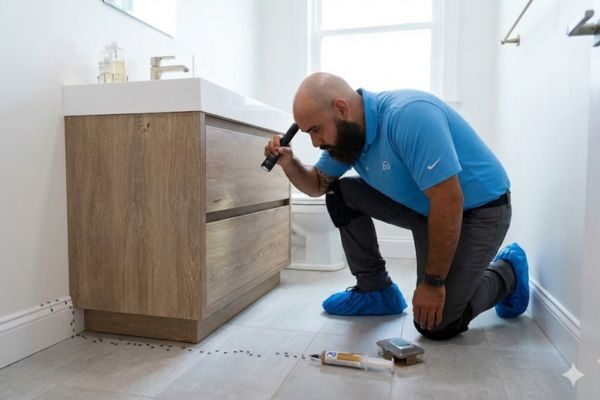
If you’ve been asking why are ants in my bathroom, you’re not alone. Bathrooms seem clean, but to ants, they can be one of the most useful rooms in the house.
Water around sinks, tubs, drains, and plumbing lines gives them moisture. Residue from soap, toothpaste, hair products, and dust can give them a reason to stay. And once they find a hidden route, they often keep using it.
In this guide, we’ll break down why bathroom ants show up, where they usually come from, and what actually helps stop them.
Key Takeaways
◉ Ants in bathrooms are usually there for moisture, scent trails, or hidden access, not food.
◉ Cleaning alone won’t stop ants if moisture and entry points stay open.
◉ Sprays kill visible ants, but baits work better by affecting the colony.
◉ If ants keep returning, there may be a hidden indoor nest near plumbing or walls.
◉ Long-term control comes from drying the space, sealing gaps, and fixing the source, not quick fixes.
Why Do I Have Ants in My Bathroom?
Ants don’t end up in bathrooms by accident. When they show up there, it’s because something in that space meets their basic needs, water, shelter, or a scent trail worth following. Clean bathrooms still attract ants if water or scent trails are present.
Why Are There Ants in My Shower?
Ants in a shower are often connected to the way they move through hidden spaces inside or around a bathroom. Areas around shower fixtures, drains, and plumbing connections can provide routes that allow ants to travel between wall voids, floors, and other parts of the home.
Shower areas can also collect small amounts of organic material from everyday use, such as soap residue, shampoo, or other products. While these sources may not seem significant, they can sometimes provide enough attraction for ants that are already exploring the area.
If ants continue appearing in the shower, especially around the same fixture or location, it may indicate that they are entering from a nearby hidden access point rather than coming directly from the shower itself. Finding where they are entering can help address the underlying problem instead of only removing the visible ants.
Moisture and Water Sources That Attract Foraging Ants
Bathrooms are one of the most reliable water sources in a home. Ants are constantly searching for moisture, especially during dry or hot weather.
Common moisture attractors include:
◉ Leaky faucets or pipes
◉ Condensation around sinks or tubs
◉ Damp bath mats or grout lines
Why this matters: Ants don’t need standing water; light moisture is enough to keep them coming back. Fixing leaks and keeping the area dry for a week often reduces activity on its own..
Action step: Fix leaks and dry wet areas daily for a week to see if activity slows.
Bathroom Products and Organic Residue Ants Mistake for Food
Ants don’t just eat crumbs. Many bathroom products smell like food to them.
This includes:
◉ Toothpaste residue
◉ Soap, shampoo, and body wash
◉ Hair products with oils or sugars
Why this matters: ants follow scent trails, not logic. If something smells edible, they’ll investigate it repeatedly.
Action step: Rinse sinks after use and wipe counters with a mild cleaner to remove scent residue.
Warm, Sheltered Spaces Ants Use for Travel or Nesting
Bathrooms are warm, quiet, and full of hidden spaces, perfect for ants to move through or settle near.
They often use:
◉ Wall voids behind plumbing
◉ Spaces under cabinets
◉ Gaps behind toilets or tubs
Why this matters: even if ants aren’t nesting in the bathroom, they may be using it as a highway to reach water or other parts of the house.
Why Bathroom Ant Problems Often Feel Random at First
We get calls like this all the time:
“My bathroom is clean… so why are there ants?”
A homeowner in Monmouth County called us because ants kept showing up by the sink every morning. They weren’t anywhere else in the house. No food in the bathroom. No trash sitting out. Just ants in the same spot, day after day.
They tried the usual stuff first:
- ◉ Sprayed the ants
- ◉ Wiped the counter every night
- ◉ Switched cleaning products
- ◉ Even used ant spray again when they came back
And it worked… for a day. Then the ants returned.
So when we inspected the bathroom, we didn’t focus on the counter. We looked at what ants actually look for in bathrooms: water and a way in.
Under the sink, we found a slow drip that wasn’t obvious unless you looked closely. And where the pipe went into the wall, there was a small opening with a bit of moisture around it.
That was enough.
Ants don’t need a puddle. Even a small leak or light moisture can keep them coming back. Once that spot stays damp, ants keep using it. They also leave a scent trail, so more ants follow the same path.
After the leak was fixed and the area stayed dry for several days, the ant activity dropped fast. No more “random” ants every morning.
That’s why bathroom ants feel confusing at first. It’s usually not about food or cleanliness. It’s about moisture and a hidden entry point that makes the bathroom an easy target.
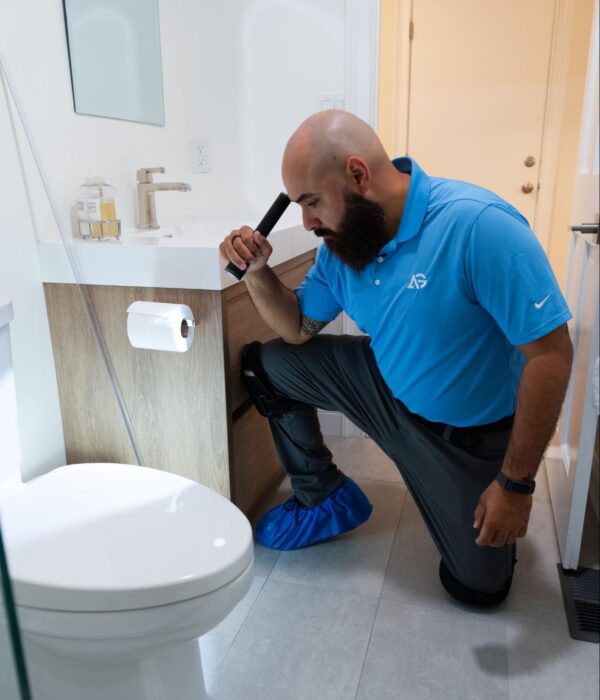
A Real Example of Hidden Bathroom Ant Activity
A Holmdel homeowner dealing with persistent ant activity reached out after trying to manage the issue alone. After a thorough inspection and targeted treatment, the problem was resolved, and they later shared their experience.

Where Bathroom Ants Typically Come From Inside the Home
Bathroom ants usually originate elsewhere in the home and follow established trails inside, and follow a trail that leads them in.
Entry Gaps Around Pipes, Drains, and Wall Voids
Any opening around plumbing is an easy entry point. Ants use these gaps to move between walls and rooms without being seen.
Why this matters: killing visible ants won’t help if the entry route stays open.
Action step: Inspect under sinks and around pipes for gaps and seal them once ant activity is controlled.
Trails Leading From Kitchens, Basements, or Exterior Walls
Ant trails often start in food-heavy or damp areas and end in the bathroom.
Common trail origins:
◉ Kitchens and pantries
◉ Basements or crawl spaces
◉ Exterior foundation walls
Why this matters: bathrooms are often the destination, not the source.
Action step: Look for ant lines leading into the bathroom, not just inside it.
Signs the Ant Activity Started From an Indoor Satellite Nest
In some cases, ants build a small satellite nest inside the home to stay closer to water.
Signs include:
◉ Ants appearing even after cleaning
◉ Activity that doesn’t change with weather
◉ No clear trail leading outside
Why this matters: indoor nests require a different approach than outdoor colonies.
How to Get Rid of Ants in the Bathroom Effectively
If you’re trying to figure out how to get rid of ants in the bathroom, effective control starts by removing what’s attracting ants, not just killing the ones you see.
The fix works best when you cut off their reason for being there and interrupt how they get in.
Remove Moisture Sources Ants Depend On
Ants show up for water first. If moisture stays, ants stay.
Focus on:
◉ Fixing dripping faucets or slow leaks
◉ Drying sinks, tubs, and floors nightly
◉ Replacing damp rugs or mats
Why this matters: without reliable moisture, ants stop prioritizing the bathroom as a target.
Action step: Keep the bathroom dry for 5–7 days straight and watch whether activity drops.
Clean Surfaces to Break Active Scent Trails
Ants don’t wander randomly. They follow invisible scent trails left by other ants.
What to do:
◉ Wipe counters, floors, and baseboards daily
◉ Use a mild cleaner, not just water
◉ Pay attention to edges, corners, and behind toilets
Why this matters: breaking the scent trail confuses ants and stops reinforcements from arriving.
Use Targeted Baits Instead of Sprays for Long‑Term Control
Sprays kill ants fast, but only the ones you see.
Baits work differently:
◉ Ants carry bait back to the colony
◉ The source gets affected, not just the surface activity
◉ Trails fade instead of shifting locations
Why this matters: sprays often make ants scatter and reappear elsewhere, while baits reduce the colony itself.
Important: Don’t spray near bait. It cancels the effect.
Seal Entry Points Before Ants Re‑establish Routes
Once activity slows, block their way back in.
Check:
◉ Gaps around sink pipes
◉ Openings behind toilets
◉ Cracks along baseboards or walls
Why this matters: ants remember successful routes. If the entry stays open, they’ll reuse it.
When the Right Diagnosis Makes the Difference
A homeowner dealing with a carpenter ant issue needed more than surface fixes. After a thorough inspection quickly identified the source, treatment was applied, and the problem was addressed effectively. They shared their thoughts about working with AgilePest.

How to Prevent Ants From Returning to Your Bathroom
Stopping ants once is good. Keeping them from coming back is the real win.
Maintain Low‑Moisture Conditions in the Bathroom
Long-term prevention depends on dryness.
Helpful habits:
◉ Run the fan during and after showers
◉ Wipe down wet surfaces regularly
◉ Keep humidity low if possible
Why this matters: bathrooms that stay damp quietly invite repeat ant activity.
Store Personal Care Items That Attract Ants
Many bathroom products smell edible to ants.
Be cautious with:
◉ Toothpaste residue
◉ Sweet or scented hair products
◉ Open containers left on counters
Why this matters: even small scent traces can restart a trail.
Action step: Rinse sinks after use and store products in closed containers or drawers.
Address Household Conditions That Redirect Ant Trails Indoors
Bathroom ants often start somewhere else in the home.
Look beyond the bathroom:
◉ Kitchen crumbs or spills
◉ Moist basements or crawl spaces
◉ Exterior gaps near the foundation
Why this matters: ants reroute. If one area becomes less attractive, they’ll move to another unless the bigger picture is handled.
When Bathroom Ants Indicate a Bigger Problem
Sometimes ants in the bathroom aren’t just a small nuisance. They’re a sign that something deeper is going on behind the walls or elsewhere in the home. This is the point where guessing stops helping and observation matters more.
Persistent Ant Activity Suggesting a Hidden Colony
If ants keep returning no matter what you clean or dry, there’s likely a colony nearby.
Common signs include:
◉ Ants reappearing within hours or days
◉ Activity that doesn’t change after moisture is removed
◉ Ants showing up in multiple bathrooms or rooms
Why this matters: persistent activity usually means ants are nesting inside wall voids, under floors, or close to plumbing, where conditions stay stable.
Common Issues We Spot During Bathroom Ant Inspections
During AgilePests Ant Inspections, we often find that repeated bathroom ant activity isn’t caused by surface conditions at all. Even when moisture is managed and scent trails are cleaned, ants may continue appearing in the same locations.
In these cases, the source is usually a small indoor satellite nest established near warm plumbing lines or wall voids. The bathroom becomes a frequent activity area simply because it provides the closest and most reliable access to water.
Why this matters: when ants are nesting inside the structure, surface-level fixes won’t change their behavior. The ants aren’t entering from outside each time; they’re already established within the home. Identifying that early allows for targeted treatment and prevents wasted time, repeated cleanups, and ineffective DIY attempts.

When DIY Treatments Fail to Change Ant Behavior
DIY methods should cause a clear change. If they don’t, that’s a signal.
Warning signs include:
◉ Ant numbers stay the same after baiting
◉ Trails shift but don’t disappear
◉ Ants show up in new locations
Why this matters: when behavior doesn’t change, the colony hasn’t been affected. Sprays and surface fixes can actually push ants deeper into hidden areas.
At that point, the issue isn’t how hard you’re trying; it’s where the colony is and how the ants are getting around. Understanding that helps prevent wasted time and repeated frustration.
Things People Often Ask When Ants Appear in the Bathroom
Why do ants keep showing up near the bathroom sink even when it looks clean?
Ants often gather near sinks because they are searching for moisture rather than food. Even a small amount of water from condensation, soap residue, or a slow drip can attract them. If the area stays damp, ants may continue returning to the same spot.
Can a small plumbing leak cause ants to appear in the bathroom?
Yes, even a slow or hidden leak can attract ants because it provides a steady moisture source. Ants are very sensitive to water availability and may travel through wall voids or pipe openings to reach it. Fixing the leak and keeping the area dry often reduces the activity quickly.
Why do ants follow the same path across the bathroom floor?
Ants follow invisible scent trails left behind by other ants from their colony. These chemical trails guide more ants to the same location where water or residue was found. Cleaning surfaces with a mild cleaner helps remove the scent and disrupt the trail.
Can ants nest inside bathroom walls or near plumbing lines?
Yes, ants sometimes create small satellite nests inside wall voids or around warm plumbing lines. These areas provide shelter and easy access to moisture, which helps the colony survive indoors. When this happens, ants may appear frequently even after cleaning the bathroom.
Why do ants come back to the bathroom after spraying them?
Sprays usually kill only the ants you can see and do not affect the colony itself. The remaining ants follow the same scent trail or create new ones, which causes the problem to return. Baits work better because ants carry them back to the colony and spread the effect.
Share
0/5
(0 Reviews)