
Can a Rat Carry Rabies? What to Do If a Rat Bites You

Written by Jack Hayes
Last updated on October 15, 2026
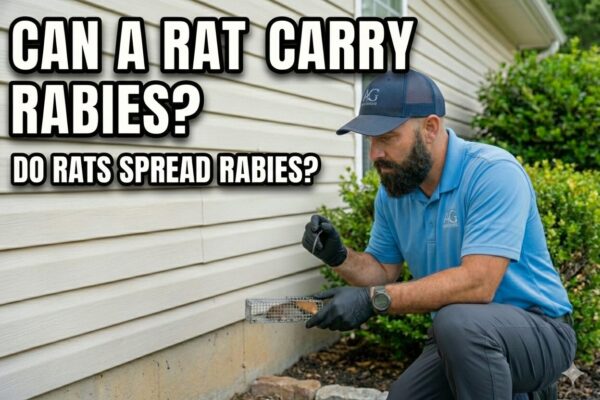
Yes, rats can technically get rabies, but rabies from rats is extremely rare. After a rat bite, the more immediate concerns are the wound itself, bacterial infection, and whether you need medical evaluation.
A rat bite is not generally treated the same way as exposure to higher-risk wildlife such as bats, raccoons, skunks, or foxes. However, any bite or scratch that breaks the skin deserves proper cleaning and medical advice.
In this guide, you’ll learn whether rats carry rabies, what counts as a possible rabies exposure, what to do after a rat bite or scratch, and how to reduce rat activity around your home.
Key Takeaways
◉ Rats can get rabies, but rabies in rats is extremely uncommon. A rat bite is generally more concerning for bacterial infection than rabies.
◉ Treat any rat bite or scratch that breaks the skin seriously. Clean the wound thoroughly and contact a healthcare professional for advice.
◉ Rabies spreads mainly when infected saliva reaches broken skin or the eyes, nose, or mouth. Simply seeing a rat or finding droppings is not considered rabies exposure.
◉ You cannot confirm rabies by looking at a rat. Unusual aggression, poor coordination, paralysis, or heavy drooling are reasons to avoid the animal and report the circumstances to a healthcare or public-health professional.
◉ Preventing another encounter means addressing the rat problem itself. Food, water, shelter, and entry points all help rats remain around a property.
Do Rats Carry Rabies?
Yes, rats can technically become infected with rabies because they are mammals. In practice, however, rabies in common rats is extremely uncommon in the United States.
That distinction matters. A person who has been bitten by a rat should take the wound seriously, but the bite does not automatically mean they have been exposed to rabies.
The more immediate concerns after a rat bite include:
◉ Bacteria entering the wound
◉ Redness, swelling, or other signs of infection
◉ Rat-bite fever
◉ Whether the circumstances of the bite require medical or public-health assessment
The simple answer is: rats can get rabies, but they are not a common source of human rabies exposure.
Can You Get Rabies From a Rat Bite?
It is technically possible, but the risk from common rats is extremely low. Rabies is transmitted when infectious saliva or nervous-system tissue reaches broken skin or a mucous membrane such as the eyes, nose, or mouth. A bite is one possible route because it can introduce saliva directly into a wound.
A scratch would only create a rabies concern if infectious material such as saliva reached the broken skin. Because rabies itself is so uncommon in rats, the overall risk remains very low. If a rat bites or scratches you, follow CDC rabies guidance and contact a healthcare or public-health professional so the circumstances can be assessed properly.
Do You Need Rabies Shots After a Rat Bite?
Not automatically.
Whether rabies post-exposure prophylaxis, or PEP, is appropriate depends on the animal involved, how the exposure happened, the animal’s behavior, local rabies conditions, and other circumstances.
Do not try to make that decision from the appearance of the bite alone. A healthcare provider or local health department can assess whether rabies treatment is necessary. Even when rabies treatment is not needed, the bite itself may still require medical attention.
Why Is Rabies So Rare in Rats?
Rats are mammals, so they are biologically capable of becoming infected. However, decades of U.S. surveillance show that common rats are rarely identified with rabies and are not considered normal rabies reservoirs. That makes them very different from wildlife species that regularly maintain and spread the virus.
The practical takeaway is more useful than trying to diagnose an individual rat: Do not assume a rat bite means rabies, but do not ignore the wound either. Clean the injury promptly and let a healthcare or public-health professional evaluate unusual circumstances.
What We See All the Time After a Rat Bite
During our inspection, we noticed this issue in similar cases. A homeowner gets bitten in the garage near the trash cans or in a basement storage corner, usually while moving a box or reaching behind something.
They immediately pull their hand back, look at the mark, and think: “Oh no… what if this is rabies?”
Most people do the same few things right after:
- ◉ They rush to the sink and wash the bite fast
- ◉ They grab disinfectant and scrub it harder than they should
- ◉ Then they start searching online, spiraling deeper with every result
You can hear it in their voice when they call us:
“I killed the rat… but now I’m freaking out. Do I need shots?”
“It’s a small bite, but it hurts more now… is that normal?”
The feeling is usually the same every time: panic mixed with regret, like they can’t tell what’s serious and what’s just fear.
And here’s what we typically find when we show up: the rat bite wasn’t the real “start” of the problem; it was the moment the homeowner finally noticed rats were already active. In similar cases, we see droppings along the wall, greasy rub marks, and a clear entry route near a door gap, pipe opening, or foundation crack.

Based on what we usually recommend, the safest move is to treat the bite seriously same day, and then stop the rats at the source, because if one gets in once, another one can follow the exact same path tomorrow.
What Animals Are More Likely to Carry Rabies Than Rats?
In the United States, rabies is much more commonly associated with certain wildlife than with rats. These include:
◉ Bats
◉ Raccoons
◉ Skunks
◉ Foxes
Rabies patterns vary by location, and domestic mammals can also become infected if they are exposed and not adequately protected. A bite or scratch from wildlife or an unfamiliar animal should be taken seriously. Contact a healthcare professional or local health department rather than trying to estimate the risk yourself.
How Does Rabies Spread?
Rabies primarily spreads when infectious saliva reaches:
◉ A bite wound
◉ Broken or damaged skin
◉ The eyes
◉ The nose
◉ The mouth
Situations that are not normally considered rabies exposure include:
◉ Seeing a rat inside your home
◉ A rat running across intact skin
◉ Touching fur without saliva contacting broken skin
◉ Contact with rat droppings
Rat droppings and urine can create other health concerns, but they are not typical routes of rabies transmission.
What Should You Do If a Rat Bites or Scratches You?
If a rat bite or scratch breaks the skin, respond promptly.
◉ Wash the wound immediately – use soap and plenty of running water. For a possible rabies exposure, CDC recommends washing for about 15 minutes.
◉ Control significant bleeding – use gentle pressure with clean material if necessary. Do not deliberately encourage the wound to bleed.
◉ Avoid aggressive scrubbing – thorough washing is important, but additional damage to the skin is not helpful.
◉ Cover the wound appropriately – use a clean dressing after washing.
◉ Get medical advice – a healthcare professional can evaluate the wound, infection risk, tetanus status, and whether any rabies assessment is needed.
Do not wait for rabies symptoms to appear before seeking advice after a genuinely concerning animal exposure. Rabies prevention must occur before symptoms develop.
What Should You Watch for After a Rat Bite?
Watch the wound for signs of infection during the following days. Contact a healthcare provider if you notice:
◉ Increasing redness
◉ Increasing swelling
◉ Warmth around the wound
◉ Drainage or pus
◉ Worsening pain
◉ Fever or chills
You should also know about rat-bite fever, a bacterial disease associated with contact with infected rodents.
Symptoms can include:
◉ Fever
◉ Headache
◉ Vomiting
◉ Muscle pain
◉ Rash
◉ Joint pain or swelling
Symptoms of the form most often seen in North America commonly begin several days after exposure, so the absence of problems during the first 24–72 hours does not mean you should ignore later symptoms. If you develop fever, rash, joint pain, or another concerning illness after recent rodent exposure, tell the healthcare provider about the bite or contact.
Can You Tell If a Rat Has Rabies by Looking at It?
No. Appearance or behavior alone cannot confirm whether an animal has rabies. Neurologic illness in an animal can sometimes cause signs such as:
◉ Unusual aggression
◉ Poor coordination
◉ Difficulty moving
◉ Paralysis
◉ Excessive salivation
◉ Other major behavioral changes
Those signs can have causes other than rabies. If a rat behaves abnormally and bites or scratches someone, avoid further contact and tell the healthcare provider or local health department exactly what happened.
Do not attempt to handle a sick or strangely behaving wild animal yourself.
What Diseases Are Rats More Likely to Spread Than Rabies?
Rabies attracts attention because of how serious it is, but other health problems are more realistic concerns around rats.
Rat-Bite Fever
Rat-bite fever is a bacterial illness that can follow rodent bites, scratches, or other contact with infected rodents. Prompt medical attention is important if compatible symptoms develop after rodent exposure.
Bacterial Wound Infections
A bite can introduce bacteria beneath the skin. Increasing redness, warmth, swelling, drainage, fever, or worsening pain should be evaluated medically.
Other Rodent-Associated Illnesses
Rats and other rodents can also be associated with illnesses transmitted through contaminated urine, droppings, food, water, or surfaces. That is why rodent safety involves more than avoiding bites. Proper cleanup, food protection, and stopping the infestation itself also matter.
How Can You Prevent Rat Encounters Around Your Home?
Reducing food, water, shelter, and access makes a property less attractive to rats.
Seal Food Properly
Store pantry foods, pet food, bird seed, and similar items in durable containers with secure lids. You can learn more about food sources that attract rodents.
Secure Trash
Keep garbage containers closed and clean up spilled food around trash-storage areas.
Remove Outdoor Food Sources
Fallen fruit, exposed bird seed, pet food, and accessible compost can provide easy food.
Fix Moisture Problems
Repair leaks and remove avoidable standing water around the home.
Block Entry Points
Check gaps around doors, utility penetrations, vents, siding, and foundation areas. Our guide to common rat entry points explains where homeowners should inspect first. Stopping access is important because removing one rat does not prevent another from entering through the same opening.
If rats are already active around your property, prevention alone may not solve the problem. Our guide on how to get rid of rats explains practical removal methods and steps to help prevent them from returning.
When Should You Call a Professional for Rats?
One isolated sighting does not always tell you how extensive a rodent problem is. Repeated or fresh signs make a more thorough inspection worthwhile. Consider professional help if you notice:
◉ Repeated rat sightings
◉ Fresh droppings appearing regularly
◉ Scratching inside walls or ceilings
◉ Gnaw marks on wiring, boxes, or building materials
◉ Persistent rodent odors
◉ Nesting material
◉ Entry points you cannot locate or seal effectively
A professional inspection can help identify where rats are entering, where activity is concentrated, and what conditions are helping them remain on the property.

Agile Pest Control provides professional rodent control for homeowners dealing with ongoing rat or mouse activity in Monmouth County.
Real experience shared by a homeowner with a rat infestation
A homeowner from Brick, dealing with ongoing rat problems called Agile Pests, and after a technician visit, they praised the fast response, clear plan, and reliable follow-up.

Based on what we usually recommend, the safest move is to treat the bite seriously same day, and then stop the rats at the source, because if one gets in once, another one can follow the exact same path tomorrow.
Questions About Rats and Rabies
Do big rats have rabies?
Large rats can technically become infected with rabies, but being larger does not automatically make a common rat a likely rabies carrier. A bite from any rat should still be cleaned and medically evaluated when appropriate because wound infection remains a concern.
Can a rat scratch cause rabies?
Rabies is transmitted through infectious saliva or nervous-system tissue. A scratch could theoretically create an exposure if infectious saliva reached the broken skin, but rabies in common rats is extremely rare. Clean any scratch that breaks the skin and seek medical advice if the circumstances concern you.
Can you get rabies from touching a rat or its droppings?
Simply touching a rat’s fur or encountering rat droppings is not normally considered rabies exposure. Rabies primarily spreads when infectious saliva or nervous-system tissue reaches broken skin or the eyes, nose, or mouth. Rat droppings can pose other health concerns, so they should still be cleaned safely.
Can mice carry rabies?
Mice, like rats, are mammals and can theoretically become infected, but rabies in small mice is extremely uncommon. A mouse bite should still be cleaned because bacterial infection may be a more practical concern.
Can rats transmit rabies to dogs or cats?
Rat-to-pet rabies transmission is extremely uncommon, but rats can bite pets and cause wounds or bacterial infections. If your dog or cat catches, fights with, or is bitten by a rat, check for injuries and contact your veterinarian for advice. Pets should also remain current on their recommended rabies vaccinations.
Share
0/5
(0 Reviews)