
What Do Rodents Eat? Foods That Attract Rats and Mice

Written by Jack Hayes
Last updated on June 20, 2026
On this page
Rodents eat many of the foods people already keep around the home, including grains, pet food, bird seed, fruit, trash, crumbs, and garden plants. That is why rats and mice often show up near kitchens, garages, sheds, bird feeders, and trash areas.
The problem is that small food sources are easy to miss. A few crumbs under an appliance, an open bag of seed, or pet food left out overnight can keep rodents coming back.
This guide explains what rodents eat, what attracts rats and mice, and which food sources to remove first.
Key Takeaways
◉ Different rodents prefer different food sources. Identifying what is being eaten helps you narrow down which pest is active.
◉ Small food sources are enough. Crumbs, bird seed, pet food, or fallen fruit can support mice and rats for weeks.
◉ Outdoor conditions attract just as much as indoor food. Mulch beds, gardens, ponds, and woodpiles often draw rodents closer to the home.
◉ Shelter keeps rodents around. Once they find cover near food, they start nesting, burrowing, or entering attics and foundations.
◉ Removing food and cover is the first real fix. Sealed storage, yard cleanup, and closing entry points matter more than reacting after damage appears.
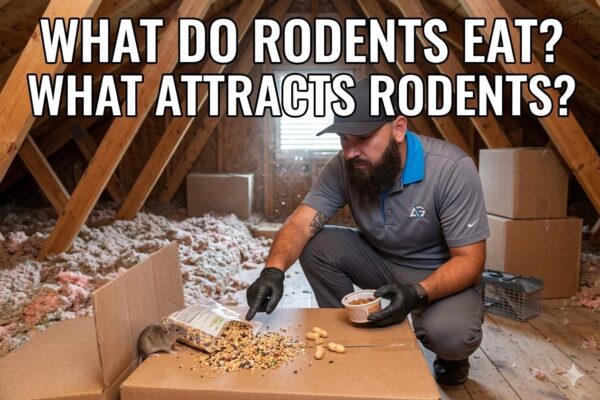
What Do Rodents Eat? What Attracts Rodents?
Rodents eat whatever is easy to reach. That can mean pantry food, pet food, bird seed, trash, garden plants, fallen fruit, and food scraps around the home.
The bigger issue is not one food source. It is food sitting close to shelter, water, and entry points.
Rodents are drawn to homes when they find:
◉ Food they can reach at night
◉ Water from leaks, bowls, or puddles
◉ Clutter where they can hide
◉ Warm spaces like garages, walls, and attics
◉ Small gaps that let them get inside
Why this matters: If food stays available, rodents keep returning even after traps or cleanup. Removing attractants helps stop the activity at the source.
Simple takeaway: Rodents stay where food, shelter, and access come together
Common Food Sources That Attract Rodents Inside and Outside
Most rodent food sources are easy to miss. A small spill, open bag, or forgotten outdoor food source can keep activity going.
Common indoor attractants include:
◉ Cereal, grains, rice, and pasta
◉ Pet food left out overnight
◉ Crumbs under stoves and refrigerators
◉ Open pantry bags or cardboard food boxes
◉ Snacks, sweets, and greasy residue
◉ Trash cans without tight lids
Common outdoor attractants include:
◉ Bird seed under feeders
◉ Fallen fruit from trees
◉ Compost with food scraps
◉ Garden vegetables
◉ Grass seed or stored seed bags
◉ Grease near grills
◉ Pet bowls and water bowls outside
Why this matters: Rodents do not need much food to survive. Mice can live off crumbs, and rats will return nightly when trash, pet food, or bird seed stays available.
Action step: Start with food that is open, spilled, stored in soft packaging, or left outside after dark.
Simple takeaway: Remove the easiest food first, then seal the gaps that let rodents reach it.
What Do Rats Eat? What Attracts Rats?
Rats are less picky and more aggressive about food.
They eat:
◉ Meat scraps
◉ Garbage
◉ Pet food
◉ Fruit and vegetables
◉ Grains and nuts
Outdoor rats often feed on fallen fruit, compost piles, and trash bins. Inside, they target kitchens, basements, and garages.
What attracts rats:
◉ Overflowing trash cans
◉ Compost piles near the house
◉ Open pet food bags
◉ Grease buildup near grills
◉ Standing water sources
Why this matters: rats need more food than mice. If you see heavy gnawing or large droppings, the food source nearby is likely significant.
Action step: secure trash lids tightly and move compost and grills away from exterior walls.
What Do Rats Like to Eat to Catch Them?
Rats are usually drawn to foods with a strong smell and higher fat or protein.
Good bait options include:
◉ Peanut butter
◉ Bacon or meat scraps
◉ Nuts
◉ Pet food
◉ Dried fruita
◉ Oats or grains mixed with peanut butter
Why this matters: Rats are cautious. If the bait is weak or placed in the wrong spot, they may ignore it completely.
Action step: Place bait where rats already travel, such as along walls, near droppings, behind appliances, or close to garage edges.
Simple takeaway: Strong-smelling bait works best, but placement matters more than the food itself.
What We Often See When Rodents and Rats Keep Coming Back
“It started in the garage,” the homeowner says. “I found a torn bag of grass seed and some feces near the wall. I cleaned everything up and put the food in a plastic box. I thought that would take care of everything.”
For a few nights, that was it.“Then I started hearing scratching noises. This time not in the garage. Inside the wall near the kitchen.” At that point, they called us to get rid of the problem.
At some point, it became clear that the problem was bigger than the torn bag. “There was bird seed in the open house. A garbage can near the back door. Thick mulch along the foundation. And I never realized that the little gap under the garage door was big enough for something to squeeze through.”
The rodents weren’t just wandering around with food. They were settling in.“Once we walked around the property together, it made sense. The food was near the cover. The cover was near the house. And there were some entrances that I had never noticed.”
In these types of situations, the solution isn’t just to set traps. It’s to remove the food sources, cut off the shelters, and seal the entrances all at once.
That’s when the scratching stops permanently, not just for a few quiet nights, but forever.

What Homeowners Experience When Rodent and Rat Problems Start
When rodent activity starts inside the home, it usually begins with scratching in the walls, droppings, or chewed food bags. That’s when homeowners from Long Branch call AgilePests. We inspect, seal entry points, and handle the issue completely so it doesn’t come back. The problem gets solved for good, not just temporarily.

What Do Mice Eat? What Attracts Mice?
If you are seeing tiny droppings in cabinets or hearing scratching at night, mice are usually after one thing. Easy food.
Mice will eat almost anything, but they prefer:
◉ Grains and cereals
◉ Bread and pasta
◉ Pet food
◉ Seeds and nuts
◉ Sweets
◉ Grease or food residue on surfaces
They do not need large meals. A few crumbs under the stove or a loosely sealed cereal box is enough.
What attracts mice most:
◉ Open pantry items
◉ Pet bowls left out overnight
◉ Bird seed stored in garages
◉ Cluttered storage areas
◉ Small gaps around doors or pipes
Why this matters: Mice can squeeze through openings the size of a dime. If food is nearby, they will stay and build nests close to it.
Action step: store food in hard plastic or metal containers, clean under appliances regularly, and seal small gaps around entry points.
What Do Mice Like to Eat in Traps?
Mice like small, easy-to-smell foods that they can nibble quickly.
Good trap bait options include:
◉ Peanut butter
◉ Chocolate
◉ Oats
◉ Seeds
◉ Cereal crumbs
◉ Soft cheese in small amounts
Why this matters: Mice do not need much food. Too much bait can let them feed without triggering the trap.
Action step: Use a tiny amount of bait and place traps along walls, behind cabinets, under sinks, or near pantry activity.
Simple takeaway: For mice, use a small amount of sticky bait so they have to work for it.
What Do Squirrels Eat? What Attracts Squirrels?
Squirrels mostly stay outdoors, but they will enter attics if food and shelter are available.
Their diet includes:
◉ Nuts and acorns
◉ Seeds
◉ Fruits
◉ Tree buds
◉ Bird seed
They are especially drawn to bird feeders and gardens.
What attracts squirrels:
◉ Overfilled bird feeders
◉ Nut trees near the home
◉ Uncovered gardens
◉ Attic access points near food sources
Why this matters: Squirrels will store food in attics and wall spaces if they gain entry.
Action step: use squirrel resistant feeders and trim tree branches away from the roofline.
What Do Chipmunks Eat? What Attracts Chipmunks?
Chipmunks eat many of the same foods as squirrels but stay closer to the ground.
They feed on:
◉ Seeds
◉ Nuts
◉ Berries
◉ Insects
◉ Garden vegetables
They create burrows near patios, foundations, and walkways.
What attracts chipmunks:
◉ Ground-level bird seed
◉ Mulch beds
◉ Vegetable gardens
◉ Stone walls and woodpiles
Why this matters: burrows near foundations can weaken soil and create entry points.
Action step: Clean fallen bird seed daily and reduce thick ground cover near the home.
What Do Beavers Eat? What Attracts Beavers?
Beavers are different from the other rodents on this list. They do not invade kitchens, but they can damage property near water.
They eat:
◉ Tree bark
◉ Twigs
◉ Leaves
◉ Aquatic plants
They prefer soft woods like willow and aspen.
What attracts beavers:
◉ Ponds and slow-moving water
◉ Trees close to shorelines
◉ Unprotected landscaping near water
Why this matters: Beavers can fell trees and flood areas by building dams.
Action step: wrap vulnerable tree trunks with protective wire mesh and monitor water flow changes near your property.
What Do Groundhogs Eat? What Attracts Groundhogs?
If your garden keeps getting wiped out overnight, a groundhog might be the reason.
Groundhogs mostly eat plants. They target:
◉ Lettuce and leafy greens
◉ Beans and peas
◉ Carrots and other root vegetables
◉ Clover and grass
◉ Flowers and shrubs
They feed heavily in spring and summer and can clear a garden bed fast.
What pulls them in is simple. Easy access to vegetables, thick brush for cover, and space to dig burrows. They often tunnel near sheds, decks, and foundations where the soil is soft.
Why this matters: groundhog burrows can damage structures and create uneven ground. The feeding is obvious, but the digging causes long-term issues.
If you suspect one, check for large burrow openings near the garden and look for fresh bite marks on low plants.
What Do Voles Eat? What Attracts Voles?
Voles cause a different type of damage. You might not see them, but you will see their trails.
Voles eat:
◉ Grass roots
◉ Bulbs
◉ Bark at the base of trees
◉ Garden plants
They stay low to the ground and create narrow runways in lawns. Snow cover in winter often
Seeing Signs of Rodents Around Your Home?
If you’re finding droppings, chewed food bags, damaged plants, or burrows near your foundation, don’t brush it off. AgilePests often see small warning signs turn into larger infestations when food sources stay available.
Start here:
◉ Remove exposed food indoors and outside
◉ Store pantry items in hard containers
◉ Clean up fallen fruit and bird seed
◉ Check for gaps around doors and foundation areas
If activity continues after removing attractants, nesting may be hidden inside walls, attics, or crawl spaces. At that point, AgilePests can inspect the property, identify what’s active, and outline what needs to change so rodents don’t return.

Frequently Asked Questions
What is the most common food that attracts rodents?
Stored grains, pet food, and bird seed attract rodents fast, especially when containers are left open.
Do rodents only eat food from kitchens?
No. They feed in garages, sheds, yards, and gardens wherever food and shelter are easy.
Why do rodents keep coming back even after I clean up?
They return when food, clutter, or entry gaps remain nearby, giving them steady access and hiding spots.
Can rodents survive on very little food?
Yes. Mice survive on crumbs, small spills, or loosely stored dry goods around appliances.
Does yard maintenance really help prevent rodents?
Yes. Trimmed shrubs, removed woodpiles, and cleared fallen fruit reduce shelter and feeding areas.
What food works best to catch mice or rats?
For mice, strong-smelling, high-value foods like peanut butter, nuts, seeds, cereal, or a small sweet bait often work better than cheese. For rats, try foods with more smell and protein, such as peanut butter, nuts, pet food, meat scraps, or fruit, depending on what they are already eating nearby. The best bait usually matches the food source they are already visiting.
Share
0/5
(0 Reviews)