
How to Keep Opossums Out of Your Yard Without Harming Them

Written by Jack Hayes
Last updated on October 4, 2026
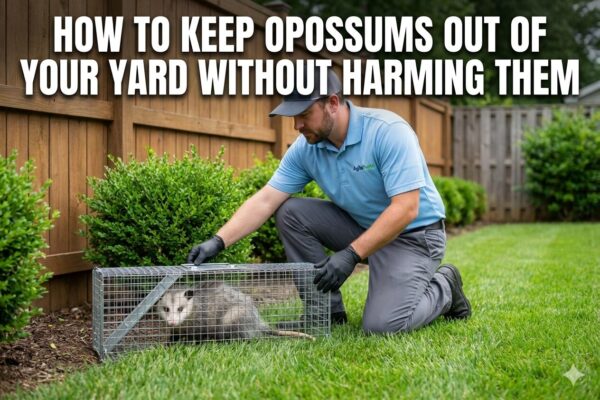
Seeing an opossum in your yard can be unsettling, especially when it keeps showing up at night, tipping trash cans or hanging around under the deck. Most homeowners worry about damage, pets, or disease. At the same time, you don’t want to hurt an animal that’s mostly just trying to survive.
The best way to keep opossums out of your yard is to remove what attracts them first, then block access to places where they can shelter. Physical prevention usually matters more than trying to scare an animal away with smells or other short-lived deterrents.
In this guide, we’ll walk through how to keep opossums out of your yard humanely, what actually works, and when waiting it out is enough and when it isn’t.
Key Takeaways
- ◉ Opossums commonly visit residential properties where they can find accessible food or daytime shelter.
- ◉ Start by securing trash, removing pet food at night, picking up fallen fruit, and reducing hiding places.
- ◉ If an opossum is sheltering beneath a deck, porch, or shed, confirm that it has left before closing the opening.
- ◉ Physical exclusion and garden barriers provide more durable protection than scent-based repellents.
- ◉ Motion-activated deterrents can help temporarily, but they should support—not replace—food removal and exclusion
Opossum or Possum: What Do We Mean?
For this article, “opossum” means the Virginia opossum found in North America. When someone searches for “how to keep possums out of my yard,” they are often talking about this same animal.
Correct identification still matters because a tipped trash can, nighttime camera alert, or activity beneath a deck can also come from raccoons, stray cats, or other wildlife.
How to Tell If an Opossum Is Visiting Your Yard
Opossums are quiet and mostly active at night, so you usually notice the evidence, not the animal.
Tracks, droppings, tipped trash, and night activity
Common signs include:
- ◉ nighttime camera sightings
- ◉ disturbed pet food or other outdoor food
- ◉ signs of foraging around garbage compost, fruit, or garden areas
- ◉ activity beneath a porch, deck, shed, or other sheltered space.
Tipped trash by itself does not confirm an opossum. Raccoons and other animals can create similar messes, so tracks or camera footage can help narrow it down. If the evidence looks more like raccoon activity, Agile Pest Control’s raccoon identification guide can help you compare the signs.
Why Opossums Keep Coming Into Your Yard
Opossums don’t wander randomly. They return when your yard meets their basic needs.
The 3 big attractors: food, water, and shelter
They’re drawn to:
- ◉ Easy meals, they don’t have to hunt
- ◉ Reliable water, even small amounts
- ◉ Safe cover to rest during the day
Why this matters: scare tactics alone rarely work. Remove the attractors, and the visits usually stop on their own.
What We Commonly Find During Opossum Yard Inspections
It usually doesn’t start as a “problem.” A homeowner spots an opossum crossing the yard late at night. No damage. No mess. Just a quick glimpse near the fence or deck. So they shrug it off and assume it’ll move on.
But a few nights later, it shows up again. Same path. Same time. Still nothing dramatic, just a tipped trash lid once in a while or paw prints near the porch. That’s when it stops feeling random.
When we walk the yard, we almost always find one small thing that made the yard feel reliable. A trash can that isn’t always latched. A pet water bowl left out overnight. Or a quiet, dark space under a deck where nothing has disturbed it. On its own, it doesn’t look like much. Together, it’s an open invitation.
After a few easy nights, the opossum adjusts its routine. The yard becomes part of its regular route, not just a stop along the way. That’s when homeowners start noticing repeat messes or activity focused in the same area.
What matters most at this stage isn’t scaring the opossum off. It’s removing the one thing that made the yard feel safe in the first place. Once that attractor is gone, the visits usually fade on their own, without harming the animal or turning it into a bigger issue.

What Local Homeowners Noticed After Wildlife Activity Started
Many homeowners first notice small signs like tipped trash or nighttime movement and aren’t sure what to expect next. Real feedback shows that once Agile Pest Control removes attractors and identifies the right entry points through a thorough inspection, wildlife visits often slow down quickly and become much easier to manage.

How to Keep Opossums Out of Yard?
If you’re trying to figure out how to keep opossums out of yard areas naturally, the key is removing food, shelter, and easy nighttime access.
Pet food, trash, compost, fallen fruit, bird seed
Focus on these problem spots:
- ◉ Pet food left outside overnight
- ◉ Loose trash lids or torn bags
- ◉ Open compost piles with scraps
- ◉ Fallen fruit under trees
- ◉ Bird seed spilled or left out at night
Why this matters: opossums have great memories for easy food. One successful meal can turn into nightly visits.
Action step: do a quick dusk check. If food isn’t available after dark, opossums usually move on within days.
Remove Shelter So Your Yard Stops Feeling “Safe”
If food draws opossums in, shelter makes them stay. They look for quiet, shaded spots where they can hide during the day. Similar access routes can also help other wildlife reach a home. If branches or structures are creating roof access, see how to keep squirrels off your roof.
Brush piles, wood stacks, sheds, crawl spaces, decks
Common shelter spots include:
- ◉ Brush or leaf piles left against fences
- ◉ Wood stacks sitting directly on the ground
- ◉ Sheds with gaps underneath
- ◉ Crawl spaces or low decks with open edges
Why this matters: opossums don’t need much space. A dark, undisturbed corner is enough for daytime shelter.
Action step: raise wood stacks off the ground, move brush piles away from structures, and keep vegetation trimmed back from decks and sheds.
Seal Entry Points Under Decks, Porches and Sheds (Exclusion)
Once food and shelter are addressed, exclusion keeps opossums from coming back. This step turns a tempting space into a dead end.
- ◉ Use sturdy metal mesh or another durable wildlife-exclusion material.
- ◉ Attach the barrier securely so there are no easy gaps.
- ◉ Use an outward-facing buried apron or L-shaped footer where digging under the barrier is possible.
- ◉ Confirm the space is empty before completing the seal.”
Important: never permanently close an opening while an animal may still be inside. If occupancy is uncertain, or young may be present, get wildlife guidance before sealing the space.
Hardware cloth basics + bury depth
What actually works:
- ◉ Use hardware cloth (sturdy metal mesh), not chicken wire
- ◉ Attach it tightly along the full opening, no gaps
- ◉ Bury the bottom edge 6–12 inches into the soil
- ◉ Angle the buried edge outward to stop digging
Why this matters: opossums are persistent, but they won’t fight a properly installed barrier. This blocks access without harming the animal.
Important: Never seal an area during active use. Always confirm the opossum has left before installing barriers.
Yard Deterrents That Actually Work (Without Hurting Pets)
Deterrents help break the habit of nighttime visits, especially while you’re removing attractors.
Motion lights, sprinklers, and timing
Best options:
- ◉ Motion-activated lights to startle night activity
- ◉ Motion sprinklers to add an unexpected barrier
- ◉ Consistent timing, turn deterrents on at dusk
Why this matters: opossums prefer calm, predictable spaces. Sudden light or water makes your yard feel unsafe without causing harm.
Action step: place deterrents along common paths (fences, deck edges, trash areas). Use them nightly for 1–2 weeks while food and shelter are removed.
Do Smells Repel Opossums? What’s Worth Trying and What to Skip
Smell-based repellents get a lot of attention, but most don’t work the way people hope.
What might help short-term:
- ◉ Strong odors like garlic or ammonia-soaked rags (used outdoors only, away from pets and enclosed spaces)
- ◉ Predator scent products made for wildlife deterrence
What to skip:
- ◉ Mothballs scattered around the yard
- ◉ Strong chemical mixtures used as improvised wildlife repellents
- ◉ Essential-oil or kitchen-ingredient sprays presented as a permanent fix
Mothballs are pesticide products intended for specific labeled uses. EPA guidance on pesticide labeling explains why pesticide products should be used according to their labels rather than scattered around a yard as improvised wildlife repellents.
Bottom line: focus first on food, water, shelter, and access. Do not make scent remedies the foundation of your prevention plan.
Will an Opossum Leave on Its Own? When to Wait vs Act
Sometimes, yes. Opossums may move on without intervention, especially when there is no reliable food source or shelter available.
When waiting can work:
- The opossum appears once or twice
- No food or shelter is available
- Activity doesn’t increase
When to act:
- Nightly visits continue
- Damage or messes keep happening
- The opossum is sheltering under a structure
Why this matters: If your yard continues to provide easy access to food, shelter, or a quiet resting place, an opossum has a reason to return.
Action step: Remove attractants first, then monitor activity. If the same shelter or access point is being used repeatedly, exclusion is more useful than repeatedly chasing the animal away.
When Trapping Makes Sense (And What to Know First)
Trapping should not be the first response to a yard that still offers food, water, or shelter. Removing one animal without fixing the attractant or access point can leave the same conditions available to other wildlife.
Local Rules, Relocation Limits, and Safer Handling
Before trapping, know this:
- ◉ Rules for trapping and relocating wildlife vary by location.
- ◉ In New Jersey, check current New Jersey Fish & Wildlife trapping information and applicable local requirements before attempting to trap or relocate an animal.
- ◉ Improper handling can stress or injure the animal.
Why this matters: Trapping without fixing food, shelter, or access points can create a repeat problem by leaving the property attractive to other wildlife.
Important: If you are unsure about legal requirements, animal handling, or whether young are present, contact a qualified wildlife professional rather than improvising.
How to Get Rid of Possums in Your Yard?
The best way to get rid of possums in your yard is to remove the reason they keep coming back.
That usually means:
◉ Secure trash and remove outdoor food and water sources.
◉ Clear brush, fallen fruit, debris, and other easy shelter or feeding opportunities.
◉ Block access beneath decks, sheds, and porches after confirming the animal has left.
◉ Use motion-activated sprinklers or lights as a supporting deterrent along common travel paths.
The goal is not simply to remove one animal. It is to make the yard less rewarding and remove the sheltered access that encourages repeat visits.
When to Call a Professional for Opossum Yard Problems
Some situations go beyond simple yard fixes.
Call a professional when:
- ◉ An opossum is living under a deck, shed, or porch
- ◉ Exclusion needs to be done safely and correctly
- ◉ Trapping is required under local regulations
- ◉ Activity continues despite the removal of food and shelter

Agile Pest Control’s wildlife control service can help identify wildlife activity and entry points and determine whether exclusion or another control approach is appropriate.
Common Questions About Keeping Opossums Out of Your Yard
Are opossums dangerous to people or pets?
Opossums are generally not aggressive animals. They usually avoid people and pets and prefer to leave when approached. Most encounters happen because the animal is searching for food or shelter. While they can defend themselves if threatened, they typically rely on avoiding conflict rather than attacking.
Do opossums help control pests in the yard?
Yes, opossums can actually help reduce certain pests. They often eat insects, snails, slugs, and other small creatures they find while foraging at night. Because they feed on many nuisance pests, their presence can sometimes provide a small benefit to the local yard environment.
What time of night are opossums most active?
Opossums are nocturnal animals, which means they are most active between dusk and early morning. They usually begin moving around shortly after sunset while searching for food. Many homeowners only notice them through motion cameras, nighttime noise, or disturbed trash containers.
Can opossums climb fences or enter elevated spaces?
Yes, opossums are capable climbers. They can scale fences, trees, and rough surfaces when searching for food or shelter. Because of this ability, they may reach areas like decks, sheds, or attic openings if access points are available.
Do opossums usually stay in one yard for a long time?
Opossums typically move through several areas as part of their nightly routine. They may visit the same yard repeatedly if food or shelter is available, but they do not usually stay permanently in one place. Removing attractors often encourages them to continue moving along their normal route.
Share
0/5
(0 Reviews)