
How to Keep Ants Away & Out of the House

Written by Jack Hayes
Last updated on October 12, 2026
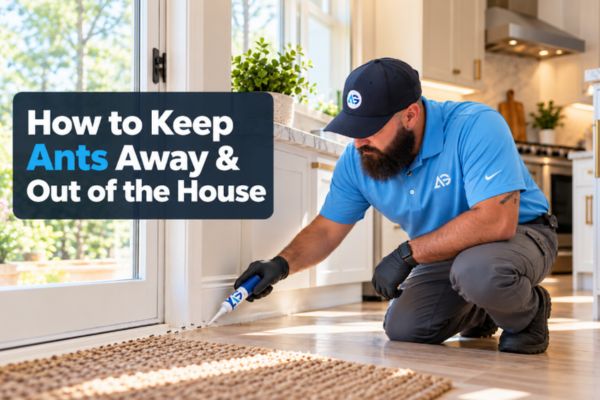
If you want to know how to keep ants out of the house, start with the places and resources they use: tiny gaps, food, water, and scent trails. The most useful steps are sealing entry points, cleaning food residue, drying damp areas, wiping trails, and using properly labeled ant bait when it fits the problem.
Ants can return to a spotless kitchen if a nest or entry route stays active. In this guide, we’ll cover why ants return, what helps keep them away, which home remedies have limits, and how to protect pet food.
Key Takeaways
◉ Ants keep returning when food, moisture, entry points, or an active colony remain available. Killing visible ants alone may not stop the source.
◉ The best prevention combines sealing gaps, cleaning food residue, fixing leaks, and reducing moisture around the home.
◉ Natural remedies such as cinnamon, vinegar, peppermint oil, or powders may disrupt trails, but they are not dependable colony-control methods.
◉ Pet food can attract ants, so store it in sealed containers, clean bowls after feeding, and avoid leaving food out overnight.
◉ Professional help may be useful when ant trails keep returning, ants appear from hidden spaces, or carpenter ants are suspected near damp wood.
Why Do Ants Keep Coming Into My House?
Ants enter homes when they find food, moisture, shelter, or a usable opening. Kitchens often provide several of these at once. Crumbs, grease, sweet spills, pet food, damp sink cabinets, and small gaps around pipes can support repeat activity. University of Minnesota recommends sealing entry cracks, cleaning food residue, storing food in closed containers, and fixing conditions that attract ants.
A few ants may be scouts. A steady trail often means workers found a resource worth returning to. Homeowners seeing this pattern during warm weather can read Agile Pest Control’s guide to summer ant activity in Hazlet homes.
Why Do Ants Keep Coming Back?
Ants keep coming back when the colony, food source, moisture source, or entry route stays active. Killing visible ants may reduce activity briefly, yet it can leave the nest untouched.
Workers follow chemical trails back to food. Clean the trail, remove the attractant, and target the colony to stop the cycle.
How to Keep Ants Out of the House
The best way to keep ants out of the house is to combine exclusion, sanitation, moisture control, and targeted colony control. Start outside, then work inward.
◉ Seal cracks around doors, windows, siding, foundations, utility lines, and plumbing penetrations.
◉ Trim branches and shrubs that touch the house. Keep mulch and dense vegetation back from the foundation.
◉ Fix drips, leaks, damp wood, and clogged gutters. Dry sinks and counters at night.
◉ Store pantry goods and pet food in hard containers with tight lids. Clean crumbs, grease, syrup, and drink spills soon after they happen.
◉ Wipe active trails with soapy water or a mild vinegar-and-water solution. This can disrupt the chemical trail workers follow.
◉ If bait is needed, use a product labeled for the ant problem and location. Put it where the label directs, out of reach of children and pets. Avoid spraying ants near bait, since that can interfere with workers carrying bait back to the nest.
These steps match guidance from University of Minnesota Extension and the University of California Integrated Pest Management (IPM) program.
How to Keep Ants Out of the Kitchen
Keep ants out of the kitchen by removing food and water they can reach. Wipe counters, clean under appliances, empty trash often, rinse sticky containers, and store food in sealed containers.
Dry the sink before bed and fix leaks. If you find a trail, follow it to the entry point, clean the trail, then seal the gap.
A Kitchen Ant Trail That Keeps Returning
A homeowner in Monmouth County walks into the kitchen one morning and finds a thin line of ants running from the sink toward the pantry. They wipe the counter, throw away an open snack package, and clean the area with household spray. By lunchtime, the ants are gone.
The next morning, the same trail is back.
Over the next few days, the homeowner cleans more often, moves food into sealed containers, and sprays every ant they see. The kitchen looks spotless, yet a few ants still appear near the sink each morning.

During an inspection, we would trace the ant trail and check the areas around the sink, plumbing, cabinets, and nearby entry points. In this situation, the problem could come from a small opening near the plumbing combined with moisture under the sink, giving the ants both access and a reason to keep returning.
To fix the problem, we would address the active ant area, clean away the trail, correct the moisture issue, and seal the opening at the right time. We may use an appropriate ant-control method if the colony is still active. Once the moisture source, entry point, and ant activity are addressed, the homeowner has a much better chance of stopping the same trail from appearing every morning.
How to Keep Ants Away
To keep ants away, make the house and the area beside it less useful to them. Focus on the reasons ants keep visiting rather than chasing individual workers. Remove fallen fruit, food scraps, open trash, pet food, and standing moisture near doors or patios. Cut branches away from siding and check where pipes, cables, vents, and door frames meet the building.
Watch for repeated trails at the same spot. That pattern can point to a reliable route between a nest and your home. Agile’s guide to late-summer ants around Wall homes covers similar entry and moisture issues.
How to Keep Ants Away Naturally
Natural ant prevention works best when it changes access to food, water, or shelter. Sealing cracks, repairing leaks, cleaning food residue, trimming plant contact, and wiping scent trails can reduce ant activity without routine spraying. A vacuum or soapy water can remove visible workers and trails.
Kitchen remedies may change where ants walk for a short period. They rarely solve a hidden nest by themselves. If ants keep returning, trace the route, remove the resource they are using, and consider a labeled bait or professional inspection suited to the ant species.
Does Cinnamon Keep Ants Away?
Cinnamon may discourage ants from a small treated spot for a short time, but kitchen cinnamon is not a dependable way to control a colony. Powder can interrupt a trail or make ants move around it, yet the nest remains active. Use cinnamon only as a minor deterrent. Put your effort into cleaning, sealing, moisture control, and bait when needed.
Does Vinegar Keep Ants Away?
Vinegar can help wipe away the chemical trails ants use to travel between a food source and the nest. University of Minnesota Extension recommends a mild vinegar-and-water solution for temporary trail disruption. It does not remove a hidden colony. Clean the trail, remove food or moisture, then close the entry point once you find it.
Do Peppermint Oil, Mint, or Other Essential Oils Keep Ants Away?
Peppermint, rosemary, clove, orange, and thyme oils appear in plant-based pest products. University of California Integrated Pest Management notes these oils can have strong contact activity but limited residual activity against ants.
A fresh application may affect ants it touches, yet the effect can fade. Keep oils away from pets and food except where the product label permits that use. UC IPM
What Plants Keep Ants Away?
Mint and other strongly scented plants are often suggested as ant deterrents, yet plants beside a doorway do not form a dependable barrier. Ants can travel around pots and leaves if food or water is available indoors. Trim vegetation away from the house, manage honeydew-producing aphids, and keep the foundation area clean and dry.
Do Salt, Baking Soda, Lime, or Cayenne Pepper Keep Ants Away?
Salt, baking soda, lime, and cayenne pepper are common home-remedy suggestions, but they are not reliable colony-control methods. They may change a trail briefly, then workers can take another route. Skip piles of powders near floors, pets, or food. Focus on sealing gaps, drying moisture, cleaning trails, and using labeled bait when needed.
How to Keep Ants Out of Pet Food
To keep ants out of cat food or dog food, control both the bowl and the storage area. Feed measured meals instead of leaving food out overnight. Wash bowls and wipe up crumbs or grease after feeding. Store dry food in a hard container with a tight lid rather than an open bag. A moat-style ant-proof feeder can add a physical barrier. Keep any water channel clean and placed where your pet cannot tip it. If you use pesticide bait nearby, put it where pets cannot reach it and follow every label direction for placement and use.
Real Homeowner Result: Help After Store-Bought Ant Traps Failed
One homeowner had an ant problem that did not improve after trying store-bought traps. After contacting Agile Pest Control, the home was checked, and the ant issue was treated.

The homeowner later shared that the ants did not return after the service. Their experience reflects a common concern with recurring ants: products used around visible activity may fall short when the nest, entry point, or ant trail is still active.
Need Help With Ants That Keep Returning?
Professional help makes sense when trails keep returning after cleaning and sealing, ants appear from walls or hidden spaces, or you suspect carpenter ants near damp wood. A pest professional can identify the ant, track likely nesting areas, and choose treatment that fits the species and location.

Agile Pest Control serves homeowners across Monmouth County and offers ant inspection and treatment options. Recurring ant activity often needs species identification before the treatment choice is made. Homeowners dealing with large ants, damp wood, or repeat structural activity can review Agile’s Monmouth County carpenter ant control service for more detail.
Frequently Asked Questions
Are ants a sign that my house is dirty?
No. Ants can enter clean homes if they find food, water, moisture, or small openings they can use.
Can ants come through electrical outlets?
Yes. Ants can travel through wall spaces and may appear around electrical outlets, gaps, or other openings inside the home.
Should I seal an ant entry point right away?
Seal the gap after identifying the route. If ants are feeding on bait, sealing too early may cause them to find another path.
When are carpenter ants active in New Jersey?
Carpenter ants are most active from spring through fall in New Jersey, with activity often increasing during the warmer summer months.
Can I put ant bait next to my pet’s food bowl?
No. Keep ant bait away from pet food and water, place it where pets cannot reach it, and follow the product label.
Share