
Common Pest Problems Found Around Wall Township Homes

Written by Jack Hayes
Last updated on September 17, 2026
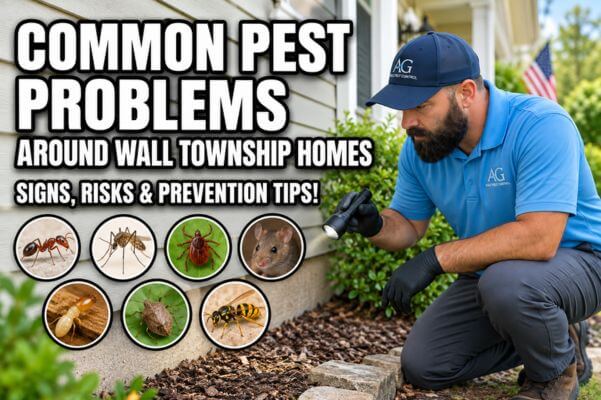
Wall Township homes can deal with different pest problems during the year, but the exact mix depends on the property, season, moisture, vegetation, food sources, and entry points. Ants, ticks, mosquitoes, termites, rodents, stink bugs, and stinging insects deserve attention for different reasons. The useful first step is not guessing which pest is “most common.” It is recognizing the signs, understanding what may be attracting the pest, and knowing which problems can be reduced with basic prevention and which need closer identification.
Key Takeaways
◉ Ant trails, mud tubes, droppings, gnaw marks, discarded wings, and repeated sightings can reveal different pest problems.
◉ Moisture, standing water, leaf litter, food residue, clutter, and small exterior gaps can make a property more pest-friendly.
◉ Carpenter ants excavate wood for nesting, while subterranean termites feed on cellulose and may leave mud tubes or damaged wood.
◉ Ticks and mosquitoes are mainly outdoor concerns, so yard edges, vegetation, leaf litter, gutters, and standing water deserve regular checks.
◉ Repeated activity, wood-destroying insects, rodent evidence, or a stinging-insect nest in a risky location can justify professional identification.
Why Pest Activity Varies From One Wall Township Property to Another
Two homes in the same part of Wall Township can have different pest issues. A shaded yard with leaf litter creates different conditions from an open, dry property. A damp crawl space also presents different opportunities than one with good drainage and tightly sealed utility penetrations.
Start with property conditions rather than a townwide ranking of pests. Look for water that does not drain, damp wood, vegetation touching the structure, food or trash access, cluttered storage, and gaps around doors, windows, pipes, vents, and siding.
Wall also has a documented mosquito-health context. In September 2025, Monmouth County announced a targeted adult mosquito control operation in part of Wall Township after evidence of West Nile virus in the area. That is a dated local event, not proof that every Wall property has the same mosquito pressure today.
Ants and Carpenter Ants
A few ants near a door or counter may be foraging, while a steady trail usually means they have found a repeat route to food, water, or shelter. Kitchens, sinks, pet-food areas, patio doors, mulch, and small exterior gaps are worth checking when ants return.
Carpenter ants need extra attention because they excavate wood to create nesting galleries. They often use moist or partially decayed wood. Sawdust-like material near wood, repeated large-ant sightings, or activity around damp framing can justify closer inspection.
For more detail, see Agile Pest Control’s guide to stopping ants around Wall homes.
Ticks and Mosquitoes
Ticks and mosquitoes are separate outdoor problems. Ticks are associated with grassy, brushy, leafy, and wooded-edge habitat where people or pets may brush against vegetation. The New Jersey Department of Health lists several tickborne diseases and provides current prevention and surveillance guidance.
Mosquitoes develop in water, so check containers, clogged gutters, birdbaths, tarps, toys, planters, and low spots that hold water. Monmouth County’s 2025 Wall Township notice also asked residents to reduce standing water around their properties.
If mosquito activity is concentrated around a patio or seating area, Agile Pest Control’s Wall patio mosquito guide covers breeding and resting areas in more detail.
Termites: Watch for Evidence, Not Just Visible Insects
Subterranean termites live in soil and can reach structural wood through hidden routes. Warning signs can include mud tubes, discarded wings after a swarm, and wood that appears damaged or sounds hollow when probed. Because termite activity can be concealed, the absence of visible insects does not rule it out.
Carpenter ants and termites can be confused from damage alone. Carpenter ant galleries tend to be cleaner, while subterranean termites commonly bring soil or mud into shelter tubes and feeding areas. If you find mud tubes, swarmers, or unexplained wood damage, identification matters before choosing a response.
Repair leaks, improve drainage where needed, and avoid leaving untreated wood in direct contact with soil.
Rodents: Look for Signs and Entry Opportunities
Mice and rats can become noticeable indoors when they find food, shelter, and access. Droppings, gnaw marks, scratching sounds, damaged food packaging, or nesting material are stronger clues than one unexplained noise.
Check for gaps around utility lines, vents, doors, garage edges, and the foundation. Indoors, look behind stored items and near food-storage areas. Keep food and pet food contained and reduce clutter that provides protected nesting space.
If droppings or nesting material are present, follow appropriate cleanup guidance before disturbing the material.
Stink Bugs and Stinging Insects
Brown marmorated stink bugs are overwintering nuisance pests. In fall, adults may gather on buildings and move through gaps around windows, doors, siding, or other openings in search of protected spaces. Exclusion is more useful than chasing individual insects after large numbers have entered.
Stinging insects require a different approach. Repeated wasp or hornet traffic to one opening, a visible paper nest, or insects entering a ground hole can indicate an active nest. Do not block an active entrance or disturb a nest when you cannot safely identify what is using it. Location, species, nest size, and allergy risk affect the safest next step.
A Practical Home Pest Check
A short inspection can help you decide what deserves attention before reaching for a general spray.
◉ Kitchen and pantry: check for ant trails, food residue, damaged packages, droppings, and moisture under sinks.
◉ Basement or crawl space: look for damp wood, leaks, mud tubes, droppings, and gaps around pipes or vents.
◉ Exterior walls: check door sweeps, screens, utility penetrations, siding gaps, foundation cracks, and wood-to-soil contact.
◉ Yard and patio: remove standing water, manage leaf litter, trim vegetation touching the house, and inspect outdoor storage.
◉ Attic and garage: look for gnawing, nesting material, droppings, damaged screens, and openings around roof or door edges.

When Professional Identification Makes Sense
Professional identification is reasonable when activity keeps returning after food, moisture, and entry conditions have been addressed; when you find possible termite or carpenter-ant damage; when rodent evidence appears in inaccessible areas; or when a stinging-insect nest is close to frequently used spaces.
Agile Pest Control’s Wall Township pest control page explains local inspection and service options. This article has a different purpose: help you recognize the problem first, then choose an appropriate next step instead of treating every pest sighting the same way.
Frequently Asked Questions
Does one pest sighting mean I have an infestation?
Not necessarily. One insect may have wandered indoors. Repeated sightings, trails, droppings, nesting material, property damage, or activity in the same place over several days are stronger reasons to investigate the source.
How can I tell carpenter ant damage from termite damage?
Carpenter ants excavate wood and often leave cleaner galleries or sawdust-like debris. Subterranean termites feed on cellulose and commonly use soil-based mud tubes. Because hidden damage can look similar, uncertain cases are best identified before treatment.
Which pest-prevention tasks help with more than one pest?
Moisture repair, standing-water removal, sealed food storage, clutter reduction, screen repair, vegetation trimming, and sealing exterior gaps can reduce conditions used by several insects and rodents. The right priorities depend on what you find around the property.
Share