
Common Pest Entry Points in Asbury Park Apartments

Written by Jack Hayes
Last updated on September 14, 2026
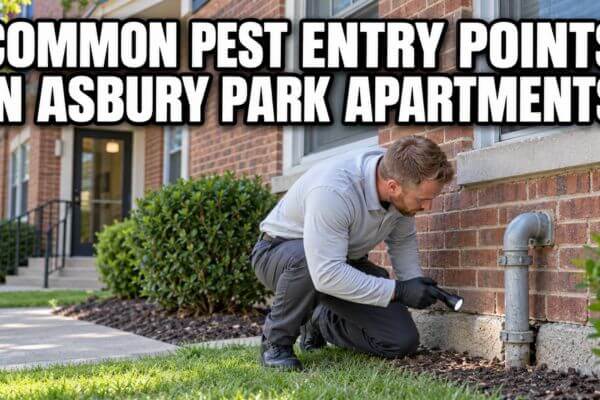
Pests can enter an apartment from outdoors, but they can also arrive through shared walls, utility openings, hallways, basements, and neighboring units. That is why sealing one visible crack does not always stop repeat activity in a multi-unit building. The useful first step is to identify the likely pest, trace where it is appearing, and decide whether the route is inside the apartment or part of the building’s shared structure.
Key Takeaways
- ◉ Check around pipes, cables, cabinets, doors, windows, vents, and baseboards before assuming the pest came through an open door.
- ◉ Shared plumbing, wiring, wall voids, and common areas can allow activity to affect more than one apartment.
- ◉ Renters should report structural or shared-area openings instead of making permanent repairs without approval.
- ◉ The right repair depends on the opening and the pest; soft filler alone may not stop rodents.
- ◉ Bed bugs commonly arrive on belongings, so sealing structural gaps is not a complete bed bug plan.
Why Apartment Entry Points Are Different
A detached home has one main building envelope. An apartment building has repeated kitchens and bathrooms, shared utility runs, common corridors, and wall or ceiling voids that may connect several spaces. A pest seen in one unit may have entered outside, traveled from a basement, or moved from another unit.
The main question is not simply, “Where is the hole in this apartment?” It is, “Is this a unit-level gap or part of a shared route?” Residents looking for local service information can review Agile Pest Control’s Asbury Park pest control options.
Where Pests Get Into Apartment Buildings
Pipes, Conduits, and Cabinet Voids
Openings around sink pipes, radiator lines, cables, and electrical conduits can lead into wall or floor voids. They may be hidden behind cabinet backs, beneath sinks, or beside appliances. The EPA’s guidance for housing managers recommends closing openings around wires, conduits, HVAC components, and plumbing routes so pests cannot use them to enter or travel through a building.

Doors, Windows, Screens, and Baseboards
Look for daylight beneath exterior doors, worn door sweeps, torn screens, loose weatherstripping, and cracks where frames meet walls. Inside, inspect baseboards and floor-wall joints near kitchens and bathrooms. A door gap may connect an apartment to a hallway or the exterior.
Vents, Rooflines, and Foundation Openings
Damaged vent screens, exhaust-duct gaps, roof-edge openings, and foundation cracks can lead to attics, crawl spaces, basements, or wall voids. Renters should document and report these areas instead of using ladders or altering building components.
Common Areas and Neighboring Units
Trash rooms, laundry rooms, storage areas, mechanical rooms, and shared basements can provide food, water, shelter, or a path to nearby units. Repeated sightings near the same wall, plumbing line, or hallway deserve building-level attention. Treating one apartment may not correct the shared route.
Which Pests Use Which Routes?
Cockroaches
Rutgers NJAES explains that German cockroaches occur more often in apartment buildings because common utilities, shared walls, and hallways help them spread. Check cabinet hinges and corners, areas beneath sinks, appliance voids, and spaces near food and water. A sighting alone does not reveal the source, so monitor several locations instead of spraying every crack.
Mice and Rats
Rodents may use foundation gaps, damaged vents, door openings, utility penetrations, or spaces behind cabinets. Droppings, gnawing, rub marks, or scratching can help narrow the inspection area, but these signs should be evaluated together. The guide to pests in older Asbury Park homes and rentals explains why condition matters more than age alone.
Ants and Other Crawling Insects
Ants and occasional invaders may enter through exterior cracks, window frames, thresholds, utility openings, or siding gaps. A trail may point toward an entry route, food, or water. Follow the activity before wiping it away, then clean the attractant and address the confirmed opening.
Bed Bugs Need a Different Response
Bed bugs commonly arrive in luggage, furniture, clothing, or other belongings. They may also move into adjoining spaces through cracks or wall voids. Door sweeps and caulk are not a stand-alone solution. Prompt reporting, accurate identification, and coordinated inspection matter more.
A Practical Two-Pass Inspection
Start where activity was noticed. Use a flashlight and record where each sign appears. Photos and dates can reveal whether sightings cluster around one wall, appliance, or utility line.
- ◉ Check beneath sinks and around every pipe penetration.
- ◉ Inspect behind accessible appliances without moving anything unsafe or connected to gas or water.
- ◉ Examine door sweeps, window seals, screens, baseboards, and floor-wall joints.
- ◉ Note leaks, condensation, food residue, open trash, and clutter near the activity.
- ◉ Report droppings, gnawing, repeated sightings, or suspected bed bugs promptly.
The second pass belongs to the owner, manager, maintenance team, or pest professional when the route may involve shared space. It may cover adjoining units, utility rooms, basements, exterior walls, vents, roof edges, and previous repairs. This keeps residents from opening walls or disturbing utilities.
How to Seal Entry Points Without Creating a New Problem
Identify the pest before closing a route. If a rodent or other animal may already be inside, ask property management or a pest professional to assess it first. Caulk and weatherstripping may work for narrow insect gaps or door seals, while rodent-prone openings often need a durable, chew-resistant barrier and a proper seal.
Avoid loose foam or thin plastic where rodents are active. Do not place material against exposed wiring, block ventilation, or alter fire-rated, plumbing, gas, or electrical penetrations without qualified maintenance. Repair screens and door sweeps, but send structural and shared-system work to property management.
Frequently Asked Questions
Does pest activity in my apartment mean the source is inside my unit?
No. The source may be inside the unit, but pests can also travel from outdoors, a neighboring apartment, a basement, a hallway, or a shared utility route. Repeated sightings in the same area can help guide a broader inspection
Can a renter seal pest entry points without the landlord’s permission?
Check the lease and notify property management before making permanent repairs or altering walls, vents, pipes, wiring areas, or shared building components. Removable measures are different from structural work, but suspected building gaps should still be reported.
Should every gap be sealed as soon as it is found?
Not always. First identify the likely pest and determine whether an animal may already be inside. Then use a material suited to the opening. Shared, structural, electrical, plumbing, gas, ventilation, and fire-rated penetrations require qualified handling.
Share