
What Sort of Damage Do Rodents Cause? The Real Problems

Written by Jack Hayes
Last updated on June 20, 2026
On this page
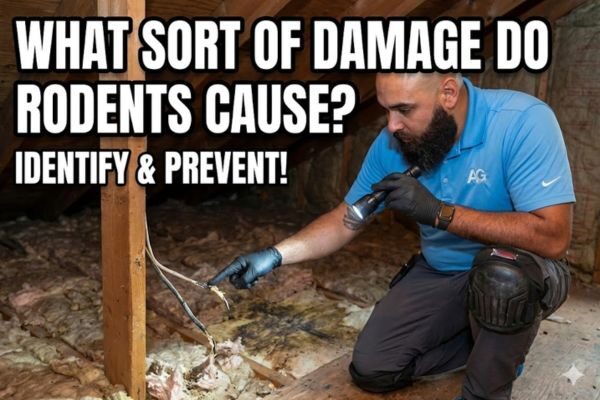
Rodents can cause serious damage to your home by chewing wiring, tearing insulation, contaminating food, damaging stored items, and weakening hidden areas behind walls or in attics. The problem is that most rodent damage starts quietly before you see anything obvious.
You may hear scratching, find a chewed box, or notice droppings near the garage and think it’s a small issue. But rodents keep chewing, nesting, and contaminating spaces as long as they have access. In this guide, you’ll learn where rodents cause the most damage, what warning signs to check first, and how to stop the problem before repairs get expensive.
Key Takeaways
◉ Rodent damage usually starts hidden, and one visible sign often means more damage nearby.
◉ Chewing never stops-small damage today can turn into structural, electrical, and fire risks over time.
◉ Rodents don’t just damage homes; they contaminate living spaces with droppings, urine, and allergens.
◉ If you notice one sign of rodent activity, there’s usually more damage nearby.
◉ Long-term protection comes from sealing entry points, removing food sources, and early control, not waiting.
Why Rodent Damage Is More Serious Than It Looks
Rodent damage rarely starts as a big, obvious problem. It starts quietly-behind walls, under floors, and in spaces you don’t check often. By the time most homeowners notice it, the damage has already spread.
Why this matters: rodents don’t chew once and stop. They chew constantly to keep their teeth from overgrowing. That means small damage today turns into structural weakness tomorrow.
What makes rodent damage easy to miss:
◉ Most activity happens in hidden areas
◉ Early damage doesn’t affect daily use right away
◉ Signs are often mistaken for “normal wear”
◉ Rodents return to the same areas repeatedly
The longer early damage goes unnoticed, the more expensive repairs become.
Why Rodent Damage Often Goes Unnoticed at First
We hear this all the time:
“Everything seems fine. I just hear some scratching.”
Not long ago, we went to a home in Monmouth County for that exact reason. The homeowner had heard light scratching near a laundry wall for a few nights. There was no bad smell. No droppings in the kitchen. Nothing looked broken. So it didn’t feel urgent.
A week or two later, small things started happening.
A breaker tripped once, then again. The basement started to smell a little damp when the heat was running. Still nothing obvious, but enough to raise concern.
When we checked the hidden areas, we found the real problem. Where a pipe went into the wall, there was a small gap. Rodents had been using it to get inside. Behind the wall, insulation was torn apart and packed into a nest. Nearby wires had bite marks on the outer coating.
None of this could be seen from inside the room.
That’s how rodent damage usually starts. They don’t cause big damage right away. They enter through small gaps, move through walls, and slowly chew, nest, and contaminate areas you never look at.
If the problem is caught when scratching first starts, repairs are usually simple.
If it’s ignored until something stops working or smells bad, the damage is often spread across wiring, insulation, and air spaces.

What Homeowners Said After Dismissing It as “Just Noise”
We often hear from people who live in Red Bank and notice noises, small messes, or a strange odor for weeks. These stories show what happened after an Agilepests inspection and provide clear guidance on the next steps.

Structural Damage Rodents Commonly Cause
Rodents don’t just invade homes; they alter them. Their chewing and nesting habits directly weaken key building materials.
Damage to Walls, Wood, and Framing
Mice and rats gnaw through drywall, studs, and support framing to create pathways and nesting spaces.
◉ Chewed wall cavities weaken structural support
◉ Framing damage can affect floors and door alignment
◉ Repeated chewing widens gaps over time
Why this matters: Damaged framing doesn’t always collapse, but it can shift, sag, or fail under stress.
Damage to Insulation and Vapor Barriers
Insulation is a prime nesting target. Rodents shred it for warmth and protection.
◉ Torn insulation reduces energy efficiency
◉ Damaged vapor barriers allow moisture buildup
◉ Contaminated insulation spreads odor and allergens
Why this matters: once insulation is compromised, heating and cooling costs rise, and moisture problems follow, often without obvious warning signs.
Electrical and Fire Damage Caused by Rodents
Electrical systems are one of the most dangerous places where rodents chew. Wires are often hidden, warm, and easy to reach, making them a prime target.
◉ Chewed wiring exposes live electrical lines
◉ Damaged insulation increases fire risk
◉ Short circuits can occur without warning
Why this matters: electrical damage doesn’t always cause immediate failure. It creates hidden hazards that can lead to fires or outages later. If lights flicker or breakers trip after rodent activity, it should be checked.
Action step: if you’ve had rodents, any unexplained flickering lights or tripped breakers should be checked.
Plumbing, HVAC, and Vent Damage From Rodents
Rodents use pipes and ductwork like highways through your home. In the process, they cause damage that affects comfort and air quality.
◉ Chewed pipe insulation leads to leaks or freezing
◉ Damaged HVAC ducts reduce airflow and efficiency
◉ Nesting blocks vents and returns
Why this matters: restricted airflow strains HVAC systems and spreads contaminated air throughout the home.
Example: A single nest in a return duct can circulate odors and allergens throughout the home.
Can Rodents Chew Through Pipes and Cause Leaks?
Yes, rodents can chew through plastic pipes, flexible tubing, pipe insulation, and water lines.
This is most common around:
◉ Dishwasher lines
◉ Refrigerator water lines
◉ PEX or plastic plumbing
◉ Drain areas under sinks
◉ HVAC condensation lines
Why this matters: A small chew mark can become a hidden leak behind a wall, under a cabinet, or near an appliance. That can lead to water damage, odors, and mold issues.
Simple takeaway: If you hear scratching near plumbing or notice damp smells, water stains, or unexplained moisture, check for rodent damage.
Damage to Stored Items, Garages, and Personal Belongings
Rodents often damage the places homeowners don’t check every day, like garages, attics, basements, closets, and storage bins.
They chew, shred, nest, and contaminate items while staying hidden.
Common items rodents damage include:
◉ Cardboard boxes
◉ Holiday decorations
◉ Stored clothing and blankets
◉ Furniture cushions
◉ Paper documents and photos
◉ Tools, equipment, and garage supplies
◉ Vehicle wiring, hoses, and insulation
Why this matters: Stored items often sit untouched for months, so damage can spread before you notice it. By the time you open a box, rodents may have already chewed through belongings, left droppings, or built nests inside.
Garages are especially risky because they give rodents easy access to clutter, warmth, shelter, pet food, bird seed, and parked vehicles.
Action step: Check along walls, corners, shelves, and behind stored boxes first. Look for droppings, shredded material, gnaw marks, musty odors, or small holes in packaging.
Simple takeaway: If rodents damage one stored item, there is often more activity nearby. Sealed plastic bins help protect belongings, but entry points still need to be found and closed.
Health and Sanitation Damage Caused by Rodents
Rodents don’t just damage your home, they contaminate it. Droppings, urine, and nesting materials spread bacteria and allergens into areas you can’t see.
◉ Droppings contaminate surfaces and storage areas
◉ Urine soaks into wood, insulation, and drywall
◉ Nesting debris worsens indoor air quality
Why this matters: exposure can trigger asthma, allergies, and illness, especially for kids and pets. Even after rodents leave, contamination often remains.
Action step: never vacuum or sweep droppings dry. Proper cleanup and protective equipment are critical.
Food, Pantry, and Surface Contamination
Rodents can contaminate food areas even before you see major damage.
They often travel across counters, pantry shelves, drawers, cabinets, pet bowls, and food storage areas while leaving behind urine, droppings, hair, and bacteria.
What to check:
◉ Gnaw marks on food boxes or bags
◉ Droppings inside cabinets or pantry corners
◉ Torn packaging near dry goods
◉ Greasy rub marks along shelves or walls
◉ Pet food bags with small holes
Why this matters: Food may not be safe just because the package still looks mostly closed. If rodents have been near it, contamination is possible.
Simple takeaway: If food packaging has chew marks, droppings nearby, or signs of rodent contact, throw it out and clean the area safely.
Signs Rodents Are Causing Damage in Your Home
Rodent damage usually leaves clues before it becomes obvious, if you know what to watch for.
Common warning signs:
◉ Gnaw marks on wood, wires, or boxes
◉ Droppings in cabinets, attics, or garages
◉ Scratching or movement sounds in walls or ceilings
◉ Insulation pulled down or scattered
◉ Musty or ammonia-like odors
Why this matters: seeing one sign often means there’s more damage nearby. Early detection limits repair costs.
Why Rodent Damage Gets Worse Over Time
Rodent damage compounds. Once rodents establish a route or nest, they reuse it and others follow.
◉ Chewing expands gaps and weakens materials
◉ Nests grow and spread contamination
◉ New rodents move into proven access points
Why this matters: waiting doesn’t pause the problem, it accelerates it. What starts as minor damage can turn into structural, electrical, and health issues.
Bottom line: the longer rodents stay, the more expensive the fix.
How to Prevent Rodent Damage Before It Starts
Preventing rodent damage is easier and cheaper than fixing it later. The goal is to remove access, shelter, and food before rodents settle in.
What actually helps:
◉ Seal gaps around foundations, vents, and utility lines
◉ Store food and pet feed in sealed containers
◉ Reduce clutter in garages, basements, and attics
◉ Trim vegetation away from the home’s exterior
◉ Address moisture issues like leaks or standing water
Why this matters: rodents don’t wander randomly. If your home stops meeting their needs, they move on.
Action step: do a seasonal walk-around and seal new gaps before colder months.
When Professional Rodent Control Is Necessary
DIY steps work early. Once damage or activity is ongoing, professional help becomes the safer option.
You should consider professional rodent control if:
◉ You keep seeing new droppings or gnaw marks
◉ Scratching noises continue inside walls or ceilings
◉ Wiring, insulation, or ducts are damaged
◉ Entry points are hard to locate or reach
Why this matters: trapping without exclusion doesn’t stop repeat damage. AgilePests Rodent Control focuses on finding how rodents got in, removing them, and preventing re-entry to reduce long-term risk.
How to Identify Common Rodents in Monmouth County
Different rodents cause different types of damage, and knowing which one you’re dealing with helps target the solution. At AgilePests, this is one of the first things we look for during inspections, because the wrong ID often leads to the wrong fix.

Common rodents in Monmouth County include:
◉ House mice – Small, fast breeders; commonly found in kitchens, walls, and attics
◉ Norway rats – Larger, ground-dwelling rodents often found in basements and crawl spaces
◉ Roof rats – Agile climbers that prefer attics, roofs, and upper levels
Why this matters: each species enters homes differently and causes damage in different areas. Correct identification leads to faster, more effective control.
Quick tip: droppings size and where activity shows up often point to the species involved, something AgilePests checks carefully before recommending any next steps.
FAQs About Rodent Damage in Homes
Can rodents damage a house in a short time?
Yes, rodents can cause noticeable damage in a short period. Mice and rats chew constantly to control tooth growth, which means they may gnaw through wood, insulation, wiring, and stored items quickly. Even a small infestation can begin damaging hidden areas within days.
Why do rodents chew on wires and building materials?
Rodents chew to keep their teeth from becoming too long. Their teeth grow continuously, so they gnaw on hard materials such as wood, plastic, and electrical wiring. Unfortunately, this natural behavior can damage structures and increase the risk of electrical hazards.
Can rodent damage affect home energy efficiency?
Yes, rodent activity can reduce a home’s energy efficiency. When rodents tear apart insulation or create openings in walls and attic spaces, heated or cooled air escapes more easily. This can lead to higher energy bills and uneven indoor temperatures.
Do rodents damage homes even if you rarely see them?
Yes, rodents often cause damage in hidden areas where homeowners rarely look. Walls, attics, crawl spaces, and basements are common places for nesting and chewing. Because activity happens out of sight, damage can spread before obvious signs appear.
What is the first sign that rodents may be damaging your home?
One of the earliest signs is unusual sounds such as scratching or movement inside walls or ceilings. Other early indicators include small gnaw marks, droppings, or shredded insulation. These clues often appear before larger structural or electrical problems become visible.
Can rodents contaminate food even if the package looks closed?
Yes. Rodents can contaminate food packaging with urine, droppings, hair, and bacteria even if the package still looks closed. If there are chew marks, droppings nearby, or signs of contact, it is safer to throw the item away.
Can rodents damage electrical wiring in cars?
Yes. Rodents can chew vehicle wiring, insulation, hoses, and nesting material inside engine areas. If your car has warning lights, starting issues, or chewed material under the hood, rodent damage may be involved.
Is rodent damage still dangerous after the rodents are gone?
Yes. Even after rodents leave, droppings, urine, nesting material, and damaged insulation can still create health and odor problems. Cleanup and repairs matter because contamination can remain in hidden spaces.
What should homeowners check first after hearing scratching sounds?
Start by checking areas near the sound, especially walls, ceilings, attics, garages, basements, and under sinks. Look for droppings, gnaw marks, shredded insulation, rub marks, or small entry gaps. Scratching usually means rodents are already moving through hidden spaces.
Share
0/5
(0 Reviews)