
How to Keep Bees and Wasps Away From Your Pool Safely
Written by Alex Carry
Last updated on October 2, 2026
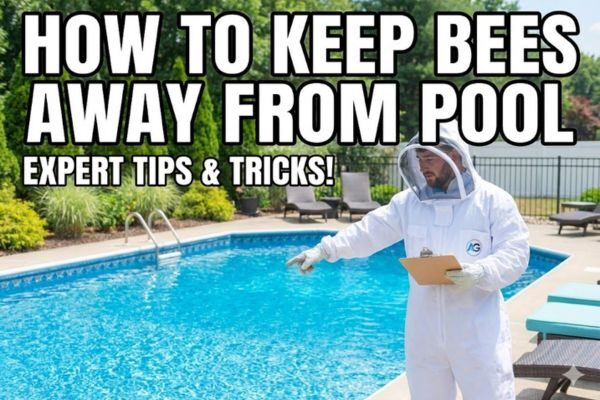
To keep bees and wasps away from your pool, make the pool less useful as a water source and give bees a better place to drink away from the swimming area. Bees are usually coming for water rather than to bother people, while wasps may also be attracted by food, drinks, trash, or nearby nesting areas.
This matters most during hot, dry weather when other water sources may be harder to find. If you have kids, pets, guests, or anyone with a known sting allergy using the pool, managing repeated activity early can make the area safer and less stressful.
In this guide, you’ll learn why bees gather around pools, what actually helps keep them away, what to avoid, and when bee or wasp activity needs closer attention.
Key Takeaways
◉ Bees gather around pools for water and minerals, not because they’re aggressive.
◉ Saltwater pools attract more bees & wasps due to trace minerals and consistent water access.
◉ Swatting or spraying bees increases risk-redirection works better than reaction.
◉ Occasional bees are normal, but daily or growing activity signals a real issue.
◉ Long-term prevention comes from alternate water sources, plant control, and regular cleanup, not quick fixes.
Why Bees and Wasps Are Attracted to Pools
Bees visit swimming pools mainly because they provide a large, dependable source of water. Honey bees collect water during warm weather and use it inside the colony, including for evaporative cooling. NC State Extension’s guidance on bees around swimming pools explains that swimming pools can become established water sources for honey bees, especially during hot, dry weather.
Pools also provide easy drinking locations such as wet steps, shallow edges, splash zones, and damp decking.
Common reasons pools attract bees:
◉ Hot, dry weather when natural water is scarce
◉ Saltwater pools, which provide minerals bees seek
◉ Splash zones and damp surfaces around the pool
◉ Nearby flowering plants guiding bees to the area
How to Keep Sweat Bees Away From Your Pool
Sweat bees are small bees in the family Halictidae. Many species are attracted to human perspiration because it provides salts, which is where their common name comes from. University of Illinois Extension’s guide to native bees Illinois Extension
Around a pool, that means swimmers and moisture can both contribute to repeated encounters.
To reduce sweat bees around the pool:
- ◉ Rinse off heavy perspiration before settling into poolside seating.
- ◉ Towel off and keep frequently used seating areas as dry as practical.
- ◉ Give visiting bees an alternate water source away from swimmers.
- ◉ Check nearby bare or lightly vegetated soil if many small bees repeatedly appear from the same area, because many sweat-bee species nest in the ground.
Avoid swatting sweat bees when they land on you. They are usually interested in moisture or salt, but they can sting if trapped or handled.
Is It Dangerous to Have Bees Around My Pool?
Most of the time, bees around pools aren’t aggressive. They’re focused on drinking, not stinging. Problems start when people panic, swat, or accidentally step on them.
Real risks to know about:
◉ Stings happen when bees feel trapped or threatened
◉ Slippery pool areas increase fall risk when avoiding bees
◉ Kids and pets may not recognize warning signs
◉ Allergic reactions can turn one sting into a medical issue
Why this matters: ignoring the situation can raise the chance of an accident, even if the bees aren’t trying to hurt anyone.
Bottom line: Most bee activity around pools can be managed safely with the right approach.
Why Pool Bees Often Show Up at the Same Time Every Day
This is something pool owners mention to us all the time.
A homeowner from Long Branch notices bees around the pool every afternoon. Mornings are quiet. Evenings are fine. But once the sun gets high, the bees show up near the shallow end and the steps.
At first, it feels strange. There’s no food around the pool. No one is bothering the bees. So the homeowner tries swatting a few or keeping people away, but the pattern doesn’t change.
When they call us, we don’t look for a nest in the pool area. We look at water access.
In one case, everything nearby had dried out during a stretch of hot weather. The lawn was dry. The soil had no moisture. There were no puddles left anywhere. The pool, however, stayed full and easy to reach.
The bees weren’t interested in people. They were landing on wet steps and splash areas, taking quick drinks, and leaving. Then they came back the next day. Same time. Same spot.
Once we helped the homeowner set up an alternate water source away from the pool and reduced wet splash zones, the bee activity dropped within days.

That’s why bee visits around pools often feel so predictable. Bees return to what works. When the pool becomes their most reliable water source, they build it into their daily routine. Change that reason, and the pattern usually stops.
Real Homeowner Experience With Safe Nest Removal
A homeowner was dealing with a bee nest high up near their yard and felt concerned about safety. After using our service, they shared their experience with Agile Pest.

The Most Effective Ways to Keep Bees Away From Your Pool Naturally
Keeping bees away works best when you redirect them, not fight them. The goal is to make your pool less appealing while giving bees a better option nearby.
Providing an Alternate Water Source Away From the Pool
If bees are using your pool for water, give them a safer, easier choice.
◉ Set out a shallow dish with water and a few stones or marbles
◉ Place it far from the pool, ideally near plants or a fence line
◉ Refresh the water regularly so it doesn’t dry out
Why this matters: bees return to reliable water sources daily, so giving them a better option pulls them away from the pool.
Moving Bee-Attracting Plants Away From the Pool Area
Flowers act like signposts that guide bees straight to your pool.
◉ Relocate flowering plants at least 15–20 feet away
◉ Avoid planting herbs and blooms near pool decking
◉ Trim back overhanging branches with blossoms
Why this matters: bees follow scent trails. Fewer cues near the pool means fewer visits.
Keeping Food and Sugary Drinks Covered
Sweet smells pull bees in fast.
◉ Cover drinks, fruit trays, and snacks
◉ Clean spills right away
◉ Avoid leaving open soda cans or juice boxes
Why this matters: once bees associate your pool with food, they’ll keep checking it.
Keep Pool Water Moving With Jets or Circulation
Still water is easier for bees to use. Moving water makes it harder for them to land, drink, and return to the same spot.
What helps:
◉ Keep pool jets running during peak bee activity
◉ Use circulation to reduce calm water near steps
◉ Brush away standing water on pool edges
◉ Dry wet deck areas when possible
Why this matters: Bees return to easy drinking spots. If the pool edge or shallow area becomes harder to use, they are more likely to choose another water source.
Simple takeaway: Moving water makes your pool less comfortable for bees.
Natural Bee Repellents for Pool Areas
Natural repellents can help, but they work best as support, not the main fix.
You can try:
◉ Peppermint oil placed away from the water
◉ Cucumber peels near outdoor tables
◉ Vinegar bowls placed away from swimmers
◉ Citronella near seating areas
◉ Keeping flowering plants away from the pool
Strong scents may temporarily discourage insects from a chair or table, but they are unlikely to solve the problem if the pool remains the most dependable water source. For more detail on scent-based deterrents, see Agile’s guide to scents that may discourage bees.
What Not to Do Around Bees and Wasps Near the Pool
Some common reactions actually make the problem worse.
Avoid these mistakes:
◉ Swatting or spraying bees with chemicals
◉ Leaving sugary residue on pool furniture
◉ Relying on fake wasps or strong scents alone
◉ Trying to destroy nests without proper equipment
Killing a few foraging bees does not remove the water, food, or nesting conditions that attracted insects in the first place. If you are dealing with a broader bee problem, see how to get rid of bees safely rather than treating individual insects around the water.
How to Keep Wasps Away From Your Pool
Wasps around pools are a different problem than bees. Bees usually come for water, while wasps are often looking for food, sugar, protein, or nesting spots.
That means wasp prevention needs a slightly different approach.
Focus on:
◉ Removing food smells
◉ Cleaning trash areas
◉ Covering drinks
◉ Watching for nest activity
◉ Reducing hiding spots around fences, sheds, and rooflines
Why this matters: Wasps can become more defensive than bees, especially if a nest is nearby.
Simple takeaway: Bees are usually a water issue. Wasps are often a food, trash, or nest issue.
Remove Food, Trash, and Sweet Drink Attractants
Wasps are strongly drawn to pool areas when food and drinks are left out.
Common attractants include:
◉ Open soda cans
◉ Juice boxes
◉ Fruit trays
◉ Grilled food scraps
◉ Sticky spills
◉ Trash bins near the pool
Why this matters: Once wasps connect your pool area with easy food, they keep checking it.
Action step: Keep drinks covered, clean spills fast, and move trash bins away from the pool seating area.
Simple takeaway: Less food smell means fewer wasps hanging around the pool.
Watch for Nearby Wasp Nests Before Activity Grows
A few wasps may be random. Repeated wasp activity in the same area usually means there is a reason nearby.
Check carefully around:
◉ Fence posts
◉ Shed corners
◉ Roof eaves
◉ Deck railings
◉ Pool equipment boxes
◉ Bushes and low shrubs
Why this matters: If a nest is close to the pool, activity can grow quickly and become unsafe for swimmers.
Action step: Watch where wasps fly after leaving the pool area. Their flight path often points back to the nest.
Simple takeaway: If wasps keep returning from the same direction, look for a nearby nest.
Why Bees May Be Attracted to Saltwater Pools
Bees can use both conventional and saltwater swimming pools as water sources. Some bee species seek salts and minerals, so dissolved salts may contribute to the attraction. However, it is more accurate to say that a saltwater pool provides a dependable source of water that may also contain attractive dissolved minerals than to assume saltwater pools always attract more bees.
If bees repeatedly visit a saltwater pool, the same basic strategy applies: provide a reliable alternate drinking site and reduce convenient wet areas around swimmers.
Common reasons bees prefer saltwater pools:
◉ Salt provides trace minerals bees seek
◉ The water stays available even during droughts
◉ Shallow edges make drinking safer
◉ Warm pool areas help bees regulate body temperature
Practical tip: Adding a mineral water source away from the pool often works better than plain water alone.
Why Saltwater Pools Attract More Bees
Saltwater pools attract bees for a simple reason: minerals. Bees don’t just need water; they also look for small amounts of salt and nutrients to support the hive.
Saltwater pools provide both in one place.
Why this matters: if you have a saltwater pool, you’re more likely to see repeat bee visits, especially during hot or dry weather.
Common reasons bees prefer saltwater pools:
◉ Salt provides trace minerals bees seek
◉ The water stays available even during droughts
◉ Shallow edges make drinking safer
◉ Warm pool areas help bees regulate body temperature
Practical tip: Adding a mineral water source away from the pool often works better than plain water alone.
When Bee Activity Around Your Pool Starts to Be a Real Issue
A few bees visiting occasionally isn’t usually a problem. It becomes an issue when the activity changes.
Warning signs to watch for:
◉ Bees gather daily in the same areas
◉ Numbers increase week after week
◉ Bees appear aggressive or defensive
◉ Children, pets, or guests feel unsafe using the pool
Why this matters: consistent activity often means your pool has become part of their routine, not a temporary stop.
Action step: when visits are frequent or growing, prevention needs to happen fast before stings or accidents occur.
When a Bee or Wasp Problem Around Your Pool Needs Expert Help
Most bee activity around pools can be handled with simple changes. But there are situations where DIY steps aren’t enough and trying to handle it yourself can increase risk.
You should consider expert help if:
◉ Bees show up in large numbers every day
◉ You suspect a hive nearby, such as in walls, sheds, or trees
◉ Stings have already happened
◉ Someone in the household has a known allergy
Why this matters: disturbing a hive or swarm without training can trigger defensive behavior and significantly raise the risk of stings, especially around water where slips and panic are more likely.

Image: During our on-site inspection, the customer took this photo of an active bee nest before safe removal.
Professionals know how to identify the type of bee, locate the source, and manage the situation safely, often without harming the bees. The goal is to keep people safe while handling the situation the right way.
How to Keep Bees & Wasps From Returning to Your Pool
Once bees move on, the next step is making sure your pool doesn’t become part of their routine again. Prevention works best when you remove the reasons bees were visiting in the first place, not when you react after they return.
Long-term prevention tips:
◉ Keep alternate water sources filled during warm months
◉ Clean pool decks and furniture regularly
◉ Trim flowering plants away from pool areas
◉ Check for early signs of hive activity nearby
FAQs About Bees and Wasps Around Pools
Are bees afraid of water?
No, bees are not really afraid of water. They need water to cool the hive, thin honey, and survive hot weather. The issue is that pools give them an easy, reliable place to drink.
Why do bees keep flying low over pool water?
Bees fly low over pool water because they are looking for a safe place to land and drink. Steps, wet edges, and shallow splash zones are easier for them to use. If those areas stay damp, bees may return often.
Are bees & wasps attracted to saltwater pools?
Yes, bees & wasps can be attracted to saltwater pools because they provide water plus trace minerals. This can make repeat visits more likely during hot, dry weather. A mineral water source away from the pool can help redirect them.
What time of day are bees most active around pools?
Bees are usually most active around pools during warm, sunny parts of the day. Many homeowners notice more activity in the afternoon when heat rises and natural water sources dry out. Once bees find a reliable pool area, they may return at the same time daily.
Do bees sting people in swimming pools often?
Bees around pools usually focus on drinking, not stinging. Stings are more likely when someone swats, steps on a bee, or traps it against skin or clothing. Staying calm lowers the risk.
How do you keep sweat bees away from a pool?
Keep sweat bees away by reducing sweat, food smells, and standing water near the pool area. Rinse off before swimming, keep drinks covered, dry wet surfaces, and use fans near seating areas. They are often drawn to moisture, salt, and body sweat.
What is the best bee repellent for pools?
The best “repellent” for pools is usually an alternate water source placed away from the swimming area. Natural scents like peppermint or citronella may help around seating areas, but they won’t work well if the pool is still the easiest water source. Redirection works better than chasing bees away.
Will removing a nearby bee nest stop bees from visiting the pool?
Removing a nearby nest can reduce activity, but it may not stop all bees from visiting. Bees from other colonies may still use the pool if it remains a good water source. Water redirection and reducing attractants help prevent repeat visits.
Can bright pool colors or reflections attract bees?
Yes, bright reflections and shiny surfaces can catch bees’ attention while they search for water. Moving reflections, bright liners, and wet decking may make the area easier for them to notice. Once they confirm water is available, they may keep returning.
Share
0/5
(0 Reviews)