
How to Get Rid of Bees Safely (Most People Do This Wrong)

Written by Alex Carry
Last updated on June 20, 2026
On this page
You see bees hovering near your yard, porch, or pool.
You wave them away. They keep coming back.
That’s when the question hits: how do you get rid of bees without making the problem worse or harming them?
Short answer: Most people end up making the problem worse.
Spraying, swatting, or destroying nests often increases risk and doesn’t solve the real issue. Most bees are not looking to attack. They usually stay because something nearby gives them food, water, shelter, or a nesting spot.
In this guide, you’ll learn why bees show up, what actually makes them leave, and how to keep them away safely, without killing them or creating a bigger problem later.
Key Takeaways
◉ Bees show up because of water, food, and nesting spots, not because they’re aggressive.
◉ Killing or spraying bees often makes the situation worse, not better.
◉ The safest way to get rid of bees is by removing what attracts them, not forcing them out.
◉ Natural methods work best when they redirect bees instead of stressing them.
◉ Long-term control comes from removing water sources, covering food, and sealing nesting areas, not quick fixes.
Why You Should Avoid Killing Bees
Killing bees feels like a quick fix, but it usually creates bigger problems. Bees play a critical role in pollinating plants, which supports gardens, crops, and local ecosystems. Removing them carelessly doesn’t just hurt the environment; it can also backfire for homeowners.
Why this matters: Killing bees doesn’t stop attraction. It often leaves behind scents or disturbed areas that draw more insects in.
Other reasons to avoid it:
◉ Many bee species are protected or regulated
◉ Agitated bees are more likely to sting
◉ Killing a few visible bees does not remove the hive, comb, queen, or entry point. If the colony is inside a wall, attic, roofline, or tree cavity, the source remains active until it is properly handled.
◉ Improper removal can trigger defensive swarming
Bottom line: Getting rid of a few bees doesn’t remove the reason they showed up in the first place.
How to Remove Bees Without Killing Them
The safest approach is removal by redirection, not force. Bees stay where their needs are met-remove those, and they leave on their own.
What works:
◉ Remove attractants like open food and sugary drinks
◉ Reduce standing water near your home
◉ Block access points where bees try to nest
◉ Encourage bees to relocate to alternative water or food sources
Why this matters: When bees stop benefiting from an area, they leave on their own. Focus on changing the environment instead of reacting to the bees.
Action step: focus on changing the environment, not attacking the bees themselves.
Why Spraying or Swatting Bees Usually Backfires
We see this happen a lot.
A homeowner notices bees hovering near the porch every afternoon. At first, they wave them away. When that doesn’t work, they grab a spray and try to clear the area.
For a short time, it seems like it worked. The bees scatter. The porch feels usable again.
The next day, the bees are back.
This time, they’re hovering closer. They’re more active. The space feels more tense than before. That’s usually when the homeowner calls us and says, “I don’t know what I did, but it feels worse now.”
When we look at situations like this, the problem isn’t the bees. It’s that nothing changed to make the area less attractive. The same water source was still there. The same food smells were still nearby. The same nesting spot was still available.
The spray didn’t remove the reason the bees were there. It just stressed them.
Once we helped the homeowner remove the water source near the porch and redirect the bees to a safer spot away from the house, the activity dropped. The bees stopped hovering around people, and the space felt calm again.

That’s why spraying or swatting bees usually backfires. Force doesn’t make bees leave. It just makes them unsettled. When the attraction is removed, bees move on without the risk that comes from trying to scare them away.
A Real Case of Safe Bee Removal
A homeowner noticed increasing bee activity near their property and later found an active hive. After trying to handle it on their own, the problem didn’t improve. Once our team resolved the issue, they shared their experience with Agile Pest.

How to Get Rid of Bees Naturally Without Disturbing a Hive
Making bees leave naturally works best when you change what’s attracting them, not when you try to scare them off. Bees are predictable. If an area stops meeting their needs, they don’t hang around.
Using Natural Scents Bees Avoid
Some smells signal danger or discomfort to bees. Used correctly, they can help discourage activity.
◉ Peppermint, eucalyptus, and citronella can reduce interest
◉ Light scent near problem areas works better than heavy spraying
◉ Reapply regularly, natural scents fade fast
Why this matters: Strong chemical sprays often stress bees and increase the chance of stings. Natural scents work more gently.
Example: placing a few drops of peppermint oil near outdoor seating often reduces repeated visits within days.
Redirecting Bees With Water or Food Sources
Most bees aren’t after you, they’re after resources.
◉ Set a shallow water dish with stones away from your home
◉ Place it near plants or fence lines, not near doors or patios
◉ Refresh it often so it stays reliable
Why this matters: bees lock onto consistent sources. Give them a better option, and they’ll choose it over your space.
How to Get Rid of Bees in a Wall or Roofline
Bees in a wall or roofline are more serious than bees flying around a patio.
If bees are entering one small crack again and again, they may be using that opening to reach a hidden space inside the structure. Common spots include wall voids, soffits, roof edges, vents, chimneys, and attic gaps.
Signs this may be happening:
◉ Bees fly in and out of the same opening
◉ You hear buzzing inside a wall or ceiling
◉ Bees keep appearing in the same room
◉ You see stains, sticky spots, or dripping near drywall
◉ Activity increases during warm parts of the day
Do not seal the hole while bees are active.
That can trap bees inside the wall and force them to search for another way out, including into living spaces. It can also leave comb and honey behind, which may attract other pests or create odors later. Extension guidance gives the same warning about not sealing bees into a building.
What to do instead:
◉ Watch the entry point from a safe distance
◉ Keep people and pets away from that side of the home
◉ Avoid spraying into the wall
◉ Contact a beekeeper or pest professional who handles structural bee issues
◉ Seal the gap only after removal is complete
Why this matters: wall and roofline bees are not just a flying insect problem. They can turn into a hive, comb, honey, odor, staining, and repair issue if handled the wrong way. University of Delaware guidance notes that removing a wall colony often means exposing the colony and removing the comb and bees properly.
Bottom line: bees in a wall or roofline need source removal, not surface treatment.
Bee Removal Mistakes That Can Make the Problem Worse
A lot of bee problems get worse because of well-intended reactions.
Avoid these common mistakes:
◉ Swatting or spraying bees
◉ Destroying nests without knowing the species
◉ Leaving sugary food or drinks uncovered
◉ Using strong chemicals near active bees
Why this matters: stressed bees become defensive, and killing a few bees never removes the real cause.
Key takeaway: Staying calm and changing the environment works better than aggressive reactions.
When Bees Become a Real Safety Concern
Most bee activity is harmless, but there are times when it crosses the line from annoying to unsafe. Most of the risk comes from where the bees are and how people react around them.
Bee activity becomes a real concern when:
◉ Bees gather in large numbers every day
◉ A hive or nest is close to doors, walkways, or play areas
◉ Someone in the household has a known allergy
◉ Bees act defensively when people get nearby
Why this matters: one sting can become an emergency for allergic individuals, and panicked reactions increase fall and injury risks.
Action step: if bees interfere with the daily use of your space, it’s time to take the situation seriously.
Should You Call a Beekeeper or Pest Control Company?
The right call depends on what kind of bee problem you have.
A beekeeper may be the best option when you have a honey bee swarm sitting on a branch, fence, bush, or outside surface. Swarms are often temporary, and experienced beekeepers can sometimes collect and relocate them safely. UC IPM says swarm clusters can often be removed by a beekeeper by gently moving the bees into a box and carrying them away.
A pest control or bee removal professional is usually better when bees are:
◉ Inside a wall
◉ Inside an attic
◉ Entering a roofline or soffit
◉ Coming through vents, ceiling lights, or indoor gaps
◉ Creating safety concerns near doors, walkways, or play areas
Why this matters: a swarm and an established hive are not the same problem. A swarm may be easy to relocate. A colony inside a structure may require careful access, removal, cleanup, and sealing.
Call a beekeeper when:
◉ The bees are clustered outside
◉ They look like honey bees
◉ They are not inside the structure
◉ The swarm is reachable and safe to inspect
Call pest control when:
◉ The bees are inside the home
◉ The entry point is in a wall, roof, soffit, or attic
◉ You are unsure whether they are bees, wasps, or hornets
◉ Someone nearby has a sting allergy
◉ DIY steps have not helped
Bottom line: if the bees are outside and clustered, start with a beekeeper. If they are inside the structure or creating safety risk, call a professional bee removal or pest control company.
When a Bee Hive Needs Professional Removal
Some bee problems shouldn’t be handled on your own.
You should call a professional if:
◉ You’ve located a hive in a wall, roof, or tree
◉ DIY methods haven’t reduced activity
◉ Bees return quickly after being redirected
◉ Safety is becoming a concern
Why this matters: improper removal can trigger defensive behavior and spread the problem to new areas.

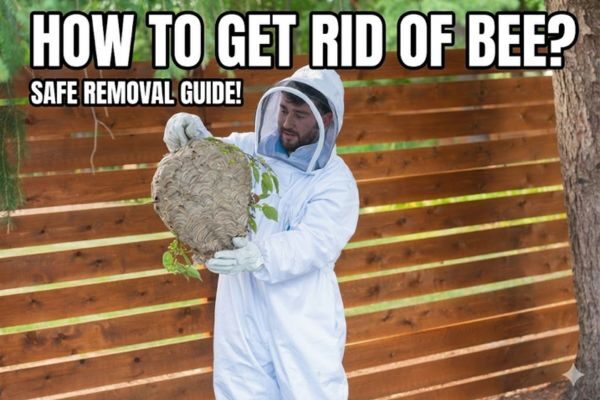
Image: During our on-site inspection, the homeowner took this photo of the active bee before it was safely removed.
AgilePests Bee Removal focuses on identifying the bee type, handling the hive safely, and fixing what attracted them in the first place.
Bottom line: expert help removes guesswork, reduces risk, and prevents repeat problems.
How to Keep Bees From Coming Back and Remove Old Hive Smells
Once bees are gone, the goal is to make sure they do not see your home as a useful spot again. Bees return to places that still have water, food, shelter, old hive material, or scent traces.
What helps long term:
◉ Remove standing water near patios, pools, and yards
◉ Keep outdoor food and drinks covered
◉ Trim flowering plants away from doors, patios, and entry points
◉ Remove old comb, wax, honey, and dead bees when possible
◉ Clean sticky honey residue or stained surfaces
◉ Replace damaged insulation, drywall, or wood if honey leaked into it
◉ Seal entry gaps only after bee activity is fully gone
◉ Watch the area for repeat activity around the same wall, roofline, vent, or opening
Why this matters: Old hive material can keep causing problems even after the bees leave. Leftover wax, honey, comb, and scent traces can attract new bees, ants, flies, beetles, rodents, and other pests.
Avoid this mistake: Do not seal a hole while bees are still active. That can trap bees inside the wall or roofline and make the problem worse.
Simple rule: Remove the bees first, clean out old hive material when possible, then seal the entry point so new bees cannot reuse it.
Common Questions About Getting Rid of Bees Safely
Why do bees keep returning to the same area?
Bees return to places that consistently provide water, food, or safe landing spots. If a yard, porch, or pool area offers those resources, bees may add it to their daily routine. Removing the attraction usually causes bees to move on naturally.
Are bees aggressive when people try to remove them?
Most bees are not naturally aggressive and prefer to avoid people. Defensive behavior usually happens when bees feel threatened, trapped, or when a hive is disturbed. Staying calm and avoiding sudden movements reduces the chance of stings.
Do natural bee deterrents really work?
Natural deterrents such as peppermint, eucalyptus, or citronella can help reduce bee interest in specific areas. These scents can discourage bees from lingering, especially when used near seating areas or entry points. They work best when combined with removing food and water sources.
Can bees build nests near homes or patios?
Yes, some bee species look for sheltered spaces around homes to build nests. Roof edges, wall gaps, sheds, and trees can all provide protected areas. If a nest forms near frequently used spaces, safe relocation or professional removal may be needed.
How can homeowners prevent bees from settling near the house?
Preventing bee activity starts with removing things that attract them. Keep outdoor food covered, eliminate standing water, and trim flowering plants close to doors or patios. Sealing small gaps around structures also helps reduce potential nesting spots.
Share
0/5
(0 Reviews)