
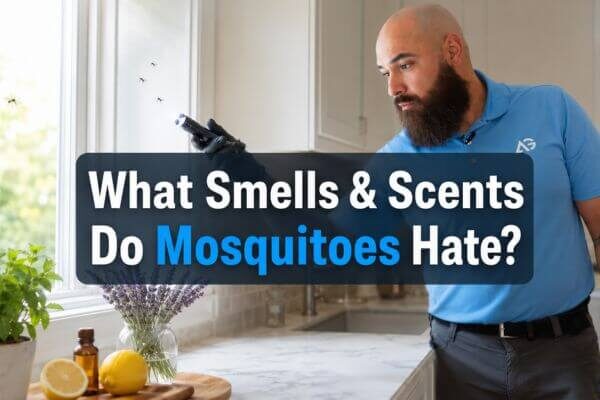
What Smells & Scents Do Mosquitoes Hate?

Written by Jack Hayes
Last updated on August 18, 2026
On this page
What do mosquitoes hate most? Many mosquitoes avoid strong scents such as citronella, peppermint, eucalyptus, lavender, and lemongrass, but scent alone will not stop an active mosquito problem.
Mosquitoes may still stay nearby if your yard has standing water, thick plants, damp corners, or easy access into your home. Some smells can help make small areas less inviting, yet results vary by product and setup.
This guide explains which smells mosquitoes dislike, how to use them safely, and what steps can give you better protection.
Key Takeaways
◉ Mosquitoes dislike strong scents such as citronella, peppermint, lavender, eucalyptus, lemongrass, and rosemary.
◉ Repellent scents work best for short-term protection and may have limited effects across large rooms, patios, or yards.
◉ Essential oils and homemade mixtures can irritate skin or harm pets, so use labeled mosquito products and follow their directions.
◉ Plants, smoke, citrus, vinegar, coffee, and similar remedies may offer brief relief, but they will not remove breeding water or hidden resting areas.
◉ The best results come from combining repellents with fans, repaired screens, trimmed plants, and regular standing-water checks.
What Do Mosquitoes Hate?
Mosquitoes hate strong airflow, dry conditions, certain scents, bright open spaces, and the loss of standing water. They prefer calm, shaded, humid areas where they can rest, breed, and stay close to people or animals.
The things mosquitoes hate most include:
◉ Moving air: Fans make it harder for mosquitoes to fly, land, and bite.
◉ Dry areas: Mosquitoes need water to lay eggs, so empty containers and dry surfaces make your property less inviting.
◉ Strong scents: Citronella, peppermint, lavender, eucalyptus, and lemongrass may discourage some mosquitoes for a short time.
◉ Clean, open yards: Thick plants, wet leaves, and shaded corners give mosquitoes places to rest during the day.
◉ Screens and closed gaps: Repaired screens and sealed openings block mosquitoes from entering your home.
Many homeowners ask what do mosquitoes hate the most or what do mosquitoes hate most. The strongest answer is not one scent or product. Mosquitoes struggle most in places with steady airflow, little moisture, fewer hiding spots, and no breeding water. A scented candle may help around a small patio table, but it will not fix mosquitoes coming from a clogged gutter or water-filled plant saucer. The best results come from using scents as a supporting step, then removing the conditions mosquitoes need.
Why this matters: Knowing what mosquitoes dislike helps you focus on changes that reduce bites now and lower mosquito activity over time.
What Smells Do Mosquitoes Hate?
Mosquitoes tend to avoid strong plant-based smells that interfere with how they detect people, body heat, and carbon dioxide. Common smells mosquitoes do not like include:
◉ Citronella
◉ Peppermint
◉ Lemongrass
◉ Lavender
◉ Eucalyptus
◉ Clove
◉ Cedarwood
◉ Rosemary
The smell mosquitoes hate the most can vary by species, product strength, airflow, and treatment area. A scent that helps near a small table may have little effect across a large yard. Mosquitoes hate the smell of some oils for a limited period, but an open bottle or potted herb will rarely provide dependable protection. Use products made for mosquito control and follow the label.
Why this matters: Smells mosquitoes do not like may reduce activity nearby, but they cannot remove eggs, larvae, standing water, or hidden resting spots.
What Scents Repel Mosquitoes?
Scents that repel mosquitoes include oil of lemon eucalyptus, citronella, peppermint, lavender, lemongrass, and some geranium-based formulas. These scents may make it harder for mosquitoes to locate exposed skin or remain near a treated space.
The most useful options include:
◉ Registered skin repellents containing oil of lemon eucalyptus
◉ Citronella candles for small, calm outdoor areas
◉ Labeled sprays made for patios, clothing, or outdoor gear
◉ Peppermint or lemongrass products that list mosquitoes on the label
Natural scents may help, but homemade oil mixtures can irritate skin, harm pets, or stain surfaces. Never apply concentrated oils directly to your body. A smell that keeps mosquitoes away for a short time will not fix a nearby breeding source.
What you can do now: Pair repellent scents with fans, repaired screens, trimmed plants, and weekly standing-water checks.
What Essential Oils Do Mosquitoes Hate?
Mosquitoes may avoid strong essential oils that interfere with the scents they use to find people. Common oils mosquitoes dislike include lavender, peppermint, eucalyptus, tea tree, lemongrass, citronella, rosemary, cedarwood, and clove.
◉ Lavender oil may reduce mosquito activity near treated skin or fabric.
◉ Peppermint oil has a sharp scent that may discourage mosquitoes for a short period.
◉ Eucalyptus oil appears in several mosquito-repellent products.
◉ Lemongrass and citronella oils are common in candles, sprays, and outdoor repellents.
◉ Rosemary and tea tree oils may offer limited support in small treated areas.
Essential oils mosquitoes hate do not give the same results in every home or yard. Product strength, airflow, mosquito species, and application method can change how well they work. Use properly labeled mosquito products instead of applying concentrated oils directly to your skin.
Do Mosquitoes Hate Lavender?
Mosquitoes may dislike lavender’s strong floral scent, and some lavender-based products can make treated areas less attractive for a short time. A lavender plant near your patio will not create a full protective barrier. Lavender scent may repel mosquitoes best in a prepared spray, lotion, or candle made for insect control. Never place concentrated lavender oil directly on your skin without safe dilution and label guidance.
Do Mosquitoes Hate Peppermint or Mint?
Mosquitoes may avoid peppermint and mint scents due to their sharp smell. Peppermint oil may provide brief relief near a treated area, but an open bottle or mint plant will rarely stop bites across a room or yard. Use a mosquito product containing peppermint rather than spraying homemade mixtures near your face, pets, food, bedding, or furniture.
Do Mosquitoes Hate Eucalyptus?
Mosquitoes may dislike eucalyptus-based scents, especially in products made for skin or outdoor mosquito protection. Oil of lemon eucalyptus is different from standard eucalyptus essential oil, so check the product label before use. A diffuser or eucalyptus plant may add scent to an area, but it should not replace fans, screens, standing-water removal, or a tested repellent.
Do Mosquitoes Hate Tea Tree Oil?
Tea tree oil has a strong scent that may discourage some mosquitoes, yet its protection can be inconsistent. Raw tea tree oil may irritate skin and can be unsafe around pets when used carelessly. Choose a prepared mosquito product that lists tea tree oil and gives clear use directions. Do not spray concentrated oil around bedrooms, pet areas, food surfaces, or children’s items.
Do Mosquitoes Hate Lemongrass or Citronella?
Mosquitoes often avoid lemongrass and citronella scents for a limited period. Citronella works by making it harder for mosquitoes to detect nearby human scents, rather than removing the insects from your property. Candles may help close to the flame in calm weather. Labeled sprays or lotions tend to give more direct coverage. Wind can weaken the scent barrier.
Do Mosquitoes Hate Rosemary?
Mosquitoes may dislike rosemary’s strong herbal scent, and rosemary appears in some natural mosquito products. Burning rosemary or placing fresh stems nearby may create temporary scent, but the results may be weak outdoors. A labeled rosemary-based spray can provide more even coverage than loose herbs. Keep oils away from eyes, pets, food, and untreated skin.
Why Mosquito-Repelling Scents Sometimes Stop Working
A homeowner starts getting bitten every evening while sitting on the patio. They try citronella candles first. Then peppermint spray. They even place lavender and mint plants near the chairs.
For a few nights, the mosquitoes seem less active.
Then the bites start again.
The homeowner adds more candles and sprays the area more often, but the relief never lasts. That is when they call us.
During the inspection, we find that the scents are not the main problem. A clogged gutter above the patio is holding rainwater. A few plant saucers also have water sitting in them, and thick plants along the fence give mosquitoes a cool place to rest during the day.

The mosquitoes keep returning because the yard is still giving them water and shelter. Once the gutter is cleared, the saucers are emptied and scrubbed, and the thick plants are trimmed, the mosquito activity drops. The homeowner can still use citronella or peppermint near the seating area, but now those scents are supporting the fix instead of trying to do all the work.
That is why mosquito-repelling smells can seem helpful at first and then suddenly fail. The scent may move mosquitoes away for a short time, but it cannot overcome a breeding or resting area nearby.
What Plants Do Mosquitoes Hate?
Plants with strong natural scents may make a small area less appealing to mosquitoes. Common choices include citronella grass, lavender, mint, rosemary, basil, marigolds, catnip, and lemon balm.
◉ Citronella grass: Gives off a citrus-like scent when its leaves are crushed.
◉ Lavender: Produces a strong floral smell that mosquitoes may avoid.
◉ Mint and basil: Release sharp scents when touched or cut.
◉ Rosemary: Adds a strong herbal smell near patios and seating areas.
◉ Marigolds: Have a distinct scent that may discourage some insects.
Simply placing a plant near your door will not create dependable mosquito protection. Most plants release stronger scents after their leaves are crushed or rubbed.
One customer shared that clear scheduling, helpful communication, and strong technician support made the service feel smooth from start to finish. That kind of experience can help homeowners get direct answers when mosquitoes keep returning after plant-based or scent-based methods fall short.

Why this matters: Mosquito-repelling plants can support your control plan, but removing standing water and using fans usually gives better results.
Do Mosquitoes Hate Smoke, Incense, or Cigarette Smoke?
Mosquitoes may move away from smoke and strong incense scents, but the effect is usually temporary. Smoke can interfere with the smells mosquitoes use to locate people, causing them to leave the immediate area for a short period.
Citronella incense or mosquito coils may reduce mosquito activity close to the smoke. Wind can carry the smoke away, leaving nearby areas unprotected. Cigarette smoke may disturb mosquitoes, but it should never be used as a mosquito-control method. Breathing smoke from cigarettes, coils, incense, leaves, or other burning materials can irritate your eyes and lungs. Burning items indoors can create a fire risk.
What you can do now: Use a fan near outdoor seating, remove standing water, and choose a labeled mosquito repellent instead of relying on smoke.
Do Mosquitoes Hate Garlic, Cinnamon, or Vinegar?
Mosquitoes may dislike the strong smells of garlic, cinnamon, and vinegar, yet homemade mixtures rarely give dependable protection. Their effects can fade quickly and may vary by mosquito species, concentration, and treatment area.
◉ Garlic: Its strong odor may discourage a few mosquitoes near a freshly treated spot.
◉ Cinnamon: Cinnamon oil has insect-related properties, but kitchen powder will not protect a full yard.
◉ Vinegar: The sharp smell may bother mosquitoes briefly, but it does not create a reliable barrier.
Spraying garlic water or vinegar around your home may stain surfaces, irritate skin, or leave an unpleasant odor. Never mix vinegar with bleach or other cleaners.
Why this matters: A strong smell may move mosquitoes for a short time, but it will not remove eggs, larvae, shaded resting areas, or standing water.
Do Mosquitoes Hate Lemon, Citrus, or Orange Smell?
Mosquitoes may avoid some lemon and citrus-based scents, especially citronella, lemongrass, and oil of lemon eucalyptus. These scents can make it harder for mosquitoes to locate exposed skin near a treated area.
Fresh lemon slices, orange peels, or citrus plants usually do not release enough scent to provide dependable protection. The smell may seem strong to you, yet mosquitoes can still detect body heat and carbon dioxide nearby. Some citrus oils can irritate skin or react with sunlight. Use a labeled mosquito product and follow its application directions rather than rubbing fresh citrus or concentrated oil on your body.
What you can do now: Use a tested repellent, run a fan, repair window screens, and empty water-filled containers. Citrus scents work best as a supporting step.
Do Mosquitoes Hate Coffee, Vanilla, or Coconut Oil?
Coffee, vanilla, and coconut oil are often discussed as mosquito remedies, but results are mixed. Burning coffee grounds creates smoke, which may push mosquitoes away briefly, though the smoke can irritate your lungs and create a fire risk.
Vanilla extract has a strong sweet scent, but it is not a dependable mosquito repellent by itself. Coconut oil may help some plant-based repellent ingredients stay on the skin longer, yet plain coconut oil does not offer reliable bite protection. Avoid applying kitchen mixtures to your skin without checking their safety. Sweet or oily products may feel sticky, stain clothing, or cause irritation.
Why this matters: Household ingredients may offer brief relief, but registered repellents, fans, screens, and standing-water removal give more dependable protection.
What Smells Attract Mosquitoes?
Plants with strong natural scents may make a small area less appealing to mosquitoes. Common choices include citronella grass, lavender, mint, rosemary, basil, marigolds, catnip, and lemon balm.
◉ Citronella grass: Gives off a citrus-like scent when its leaves are crushed.
◉ Lavender: Produces a strong floral smell that mosquitoes may avoid.
◉ Mint and basil: Release sharp scents when touched or cut.
◉ Rosemary: Adds a strong herbal smell near patios and seating areas.
◉ Marigolds: Have a distinct scent that may discourage some insects.
Simply placing a plant near your door will not create dependable mosquito protection. Most plants release stronger scents after their leaves are crushed or rubbed.
Why this matters: Mosquito-repelling plants can support your control plan, but removing standing water and using fans usually gives better results.
Are Mosquitoes Attracted to Sweet Smells?
Mosquitoes may move away from smoke and strong incense scents, but the effect is usually temporary. Smoke can interfere with the smells mosquitoes use to locate people, causing them to leave the immediate area for a short period.
Citronella incense or mosquito coils may reduce mosquito activity close to the smoke. Wind can carry the smoke away, leaving nearby areas unprotected. Cigarette smoke may disturb mosquitoes, but it should never be used as a mosquito-control method. Breathing smoke from cigarettes, coils, incense, leaves, or other burning materials can irritate your eyes and lungs. Burning items indoors can create a fire risk.
What you can do now: Use a fan near outdoor seating, remove standing water, and choose a labeled mosquito repellent instead of relying on smoke.
Do Mosquitoes Like the Smell of Weed or Perfume?
Mosquitoes may dislike the strong smells of garlic, cinnamon, and vinegar, yet homemade mixtures rarely give dependable protection. Their effects can fade quickly and may vary by mosquito species, concentration, and treatment area.
◉ Garlic: Its strong odor may discourage a few mosquitoes near a freshly treated spot.
◉ Cinnamon: Cinnamon oil has insect-related properties, but kitchen powder will not protect a full yard.
◉ Vinegar: The sharp smell may bother mosquitoes briefly, but it does not create a reliable barrier.
Spraying garlic water or vinegar around your home may stain surfaces, irritate skin, or leave an unpleasant odor. Never mix vinegar with bleach or other cleaners.
Why this matters: A strong smell may move mosquitoes for a short time, but it will not remove eggs, larvae, shaded resting areas, or standing water.
Still Getting Bitten After Trying Mosquito-Repelling Scents?
If mosquitoes keep returning after you use citronella, lavender, peppermint, or other strong scents, there may be a breeding or resting area nearby. Mosquitoes often stay around standing water, thick plants, clogged gutters, damp corners, and shaded spaces close to doors and windows.
AgilePests can inspect your property, find breeding spots, check resting areas, and identify where mosquitoes are entering or gathering. This helps you stop relying on short-term scent remedies and focus on the source causing the activity.

Inspect plant trays, birdbaths, buckets, gutters, pet bowls, and other damp areas around your home. If mosquitoes continue to return, consider a professional inspection to identify the source.
FAQ 1: What Mosquito Repellent Smells Good?
Mosquito repellents with lavender, lemon eucalyptus, citrus, or light floral scents often smell better than strong chemical sprays. Choose a labeled lotion that feels comfortable on your skin.
FAQ 2: What Lotion Do Mosquitoes Hate?
Mosquitoes tend to avoid lotions containing DEET, picaridin, IR3535, or oil of lemon eucalyptus. Pick a registered repellent lotion and follow the label for safe, lasting protection.
FAQ 3: Does Scent-Free Mosquito Repellent Work?
Yes. Scent-free mosquito repellents can work well when they contain proven active ingredients such as picaridin or DEET. Protection comes from the active ingredient, not the fragrance.
FAQ 4: What Colors Do Mosquitoes Hate?
Mosquitoes are less attracted to light colors such as white, beige, pale blue, and light gray. Dark colors and some red tones can make you easier to spot.
Share
0/5
(0 Reviews)