
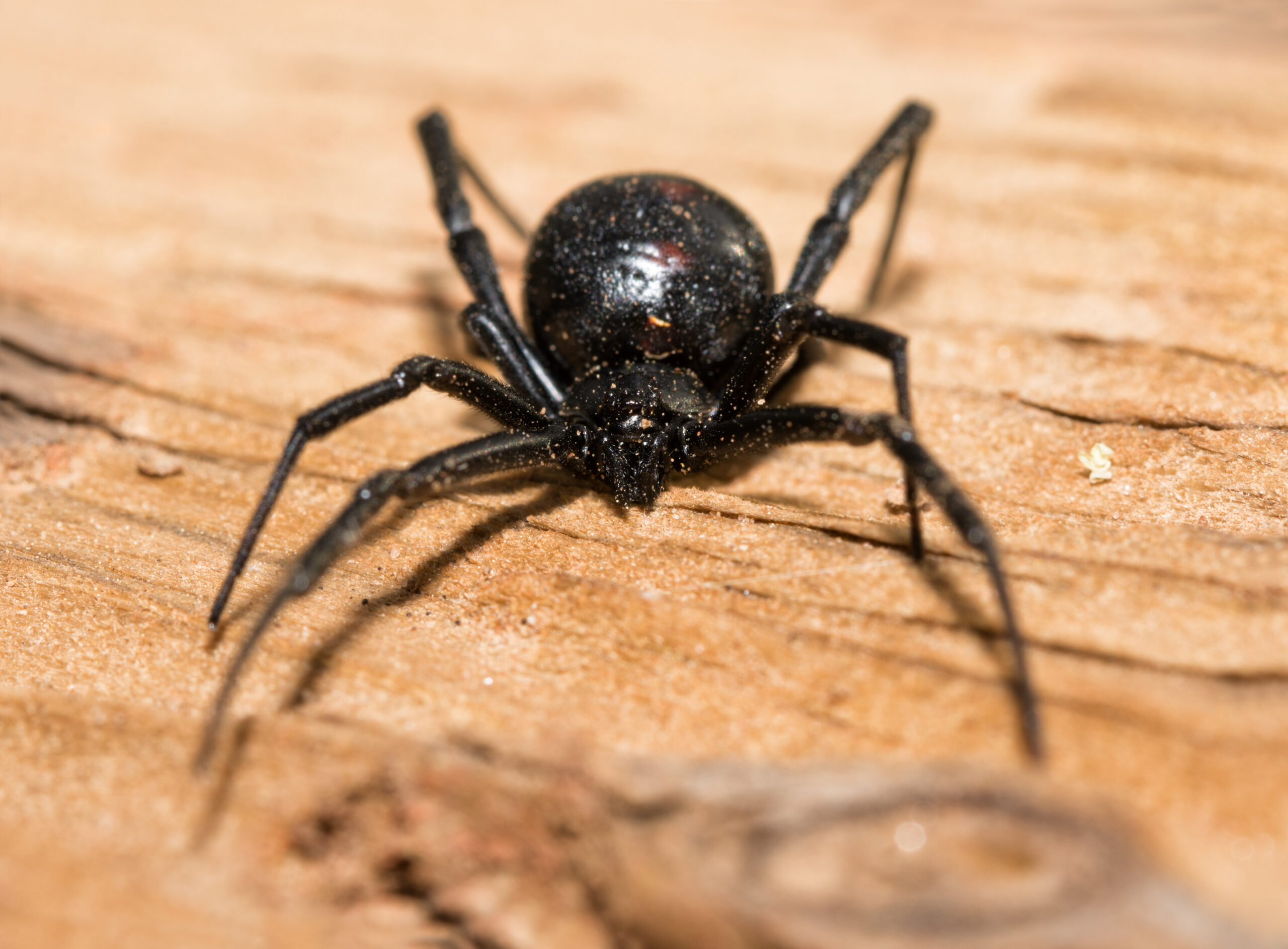
Spider Removal Service
Spider Removal in Monmouth County
At Agile, our professional spider removal in Monmouth County helps homeowners reduce spider activity inside and around the home. We provide detailed spider inspection, targeted spider control, and reliable exterminator services across Holmdel, Morganville, Monmouth Junction, and nearby New Jersey areas.
Testimonials
Why Customers Choose Us
What Monmouth County homeowners say about Agile Spider Removal Services
OUR PROCESS
How it Works
Whether you’ve spotted them scurrying across your floors or descending from the ceiling in unexpected places like your shower, spiders can be quite unsettling. Our sophisticated four-step spider control process ensures thorough treatment of your property.

Inspection
Service professional inspects property to identify key targets.
Treatment Plan
Service professional develops a tailored strategy for the home.
De-Web & Liquid Treatment
Service professional removes webs/nesting sites and treats the property.
Educate
Our service professional provides educational guidance to the customer about the spiders and treatment.
WHY CHOOSE US
Trusted Spider Removal in Monmouth County for Local Homes
Detailed Spider Inspection
We inspect indoor and outdoor areas where spiders commonly hide, including basements, garages, crawl spaces, corners, windows, siding, decks, and other quiet spaces.
Targeted Spider Control
Our treatment focuses on active spider areas, entry points, web buildup, and conditions that may be attracting insects spiders feed on.
Safe, Home-Focused Service
We provide spider control with your home, family, pets, and sensitive areas in mind, including properties near gardens, wooded areas, and sensitive habitats.
Clear Pricing & Honest Guidance
Our team explains what we find, what needs attention, and what you can do to reduce future spider activity without confusing advice or pressure.
Local Monmouth County Experience
We understand spider activity around Monmouth County homes, including Holmdel, Morganville, Monmouth Junction, and nearby New Jersey communities.
Spider-Free Living: Guide to Spider Removal
Spiders might not be the most welcome housemates, but don’t worry! Here at Agile Pest Control, we’re well-acquainted with these eight-legged critters. As pest control experts, we can assure you that, although spiders may give you the chills, most are harmless. However, if left unchecked, a spider presence in your home can quickly escalate, leading to issues with webs, egg-laying activities, and disruptive behaviors. Therefore, taking proactive steps to manage spiders can help maintain a clean, comfortable living environment.
Understanding Arachnids
Spiders, members of the arachnid family, come with eight intimidating legs and a haunting absence of antennae. With over 45,000 species worldwide, these creatures have adapted to thrive in a vast array of habitats across the globe. Known as ruthless hunters, spiders craft intricate webs designed to capture unsuspecting prey, showcasing remarkable precision in their hunting techniques. Among them, certain species like the infamous black widow even produce silk that is stronger than steel, turning their webs into nearly unbreakable traps hidden in nature’s darkest corners.
Why Should Spiders Be a Concern?
Spiders present a complex issue in living spaces for several reasons. To begin with, their appearance and sometimes venomous nature can evoke fear and discomfort, causing heightened anxiety and stress among residents. This reaction is especially intense when people encounter venomous species like black widows or brown recluses, which can inflict painful and potentially harmful bites. Furthermore, the presence of spiders in living areas disrupts the peace and comfort of households, particularly for those with arachnophobia or a heightened sensitivity to spiders.
In addition, spiders’ habit of spinning webs and building nests adds to the problem. While these structures are essential for their survival and capturing prey, they often collect dust and debris over time, affecting the cleanliness and aesthetics of a home. Therefore, addressing spider issues effectively requires not only managing their populations but also tackling the underlying factors that attract them, such as suitable environments or other pests they feed on.
How Do We Get Rid of Spiders?
Effective spider control methods encompass several strategies aimed at reducing spider populations and preventing their entry into living spaces. Here are some key methods:
Sealing Entry Points: Conduct a thorough inspection of your home to identify and seal any cracks, gaps, or openings that spiders can use to enter. This includes gaps around windows and doors, utility penetrations, and gaps in siding or foundation.
Reducing Clutter: Decluttering your home, particularly in storage areas like basements, attics, and garages, can eliminate hiding spots for spiders. Remove unnecessary items, organize storage spaces, and keep areas clean and well-maintained.
Regular Cleaning: Regularly clean and vacuum your home to remove dust, debris, and spider webs. Pay attention to corners, ceilings, behind furniture, and other areas where spiders may build webs.
Outdoor Maintenance: Keep outdoor areas around your home tidy and free of debris. Trim back vegetation, bushes, and shrubs that are close to the house to reduce spider harborage sites near entry points.
Natural Predators: Encourage natural predators of spiders, such as certain species of birds, lizards, and beneficial insects like ladybugs and ground beetles, by creating a hospitable environment for them in your yard.
Use of Insecticides: Insecticidal sprays or dusts labeled for spider control can be applied to areas where spiders are commonly found, such as along baseboards, in corners, and around windows and doors. Follow label instructions carefully and consider hiring a professional pest control service for safe and effective application.
Professional Pest Control: If spider infestations persist or if you have concerns about venomous species, consider consulting with a professional pest control service. They can conduct a thorough assessment, implement targeted treatment methods, and provide ongoing monitoring to keep spider populations in check.
By combining these methods and maintaining good hygiene practices, you can effectively manage spider populations and create a less hospitable environment for these arachnids in and around your home.
If spider infestations persist or you’re dealing with recurring problems, consider consulting a professional service like Agile Pest Control. Our team conducts a thorough assessment and uses targeted treatments, including specialized spider control, to effectively manage spider activity in your home. We also provide ongoing monitoring to ensure long-term control and prevention. For complete pest protection, explore our residential services for customized solutions, or check out our bundled plans for broader coverage, including protection against rodents, stinging insects, and other pests. Visit our service area page to confirm availability across Monmouth County.
Frequently Asked Questions
To tackle a spider problem, it’s helpful to minimize food and moisture that could lure them in. Seal off any tiny openings or gaps in your residence to deter spider entry. While insecticides can work, use them cautiously to avoid risks to people and pets. For extensive spider issues, reaching out to a professional pest control service is the safest and most effective choice.
Spiders inhabit various environments, including indoor and outdoor spaces. They tend to favor quiet and secluded areas like basements, attics, crawl spaces, and dimly lit corners indoors. Outdoors, you’ll often find spiders in gardens, bushes, trees, and man-made structures such as sheds or garages. They gravitate towards spots suitable for web-building and hunting prey while seeking refuge.
Spiders are natural predators, mainly preying on insects such as flies, mosquitoes, and moths, along with other spiders. They ensnare their prey using webs and disable them with venom injections before consuming them by extracting bodily fluids. Some larger species like tarantulas can even consume small birds, reptiles, or amphibians.
Across the globe, there exist more than 45,000 distinct spider species, inhabiting almost every imaginable environment. Among these, one encounters familiar types such as the harmless house spider, often small and brown, the larger garden spider known for its intricate zigzag web, and the impressive tarantula, often seen in tropical climates. While tarantulas may bite when provoked, they pose minimal danger to humans under normal circumstances.
You may need spider control if you keep seeing spiders indoors, notice webs coming back quickly, or find activity in basements, garages, crawl spaces, windows, corners, or storage areas. Frequent spider activity can also mean other insects are attracting them.
Agile starts with a spider inspection to find active areas, entry points, webs, and conditions attracting spiders. Then we apply targeted spider control around key indoor and outdoor areas and share prevention steps to reduce future activity.
Yes. Professional spider control is applied carefully around the areas where spiders live, hide, and enter. Agile focuses on targeted treatment and practical prevention, especially around homes with pets, children, gardens, or sensitive outdoor spaces.
You can reduce spider activity by removing webs, sealing gaps, reducing clutter, fixing moisture issues, trimming vegetation away from the home, and lowering insect activity around lights, doors, windows, garages, and basement areas.
0/5
(0 Reviews)