
Top 17 Squirrels Question Answered by Pest Experts
Squirrels may look harmless, but they can cause real problems once they move into attics, roofs, or walls. They chew wood, wiring, and insulation while building nests, which can lead to damage over time. Understanding their behavior helps homeowners spot early signs and prevent costly repairs.
Questions
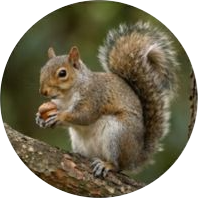
- 20 to 30 cm
- Four legs
- Large eyes
- Slender body with bushy tail
- Sharp front teeth
- Excellent climbers
1. What keeps squirrels away?
To keep squirrels away, remove food sources, trim branches near roofs, and use physical barriers like wire mesh or pole baffles. Strong scents such as cayenne pepper, peppermint oil, or coffee grounds may discourage activity. Motion sprinklers and regular yard cleanup also help reduce visits and nesting behavior.
2. Do squirrels eat bugs?
Yes, squirrels sometimes eat insects. Although their main diet includes nuts, seeds, and fruit, they may consume beetles, caterpillars, larvae, or worms for extra protein. This behavior is more common when natural plant food is limited or during certain seasons when nutritional needs increase.
3. Do squirrels carry diseases?
Squirrels can carry bacteria, parasites, and fungi that may affect humans through bites, droppings, or contaminated surfaces. Illnesses linked to squirrels include leptospirosis, salmonella, and tularemia. Direct contact increases risk, especially when squirrels nest in attics or walls, where dust from droppings can spread.
4. How to keep squirrels away from bird feeders?
Place bird feeders at least four feet high and far from jumping points. Install pole baffles or use weight-activated feeders to block access. Switching to seeds like safflower or adding cayenne pepper may discourage squirrels while still attracting birds. Cleaning spilled seed regularly also reduces unwanted attention.
5. When is squirrel mating season?
Most squirrels mate twice a year, typically during winter and late spring or summer. During these periods, you may notice chasing behavior and increased noise as males pursue females. After a short gestation of about six weeks, young squirrels are usually born in early spring or late summer.
6. How to keep squirrels out of potted plants?
Protect potted plants by covering soil with mesh, rocks, or mulch to prevent digging. Natural deterrents like cayenne pepper, coffee grounds, or peppermint oil can help reduce interest. Placing netting over pots and removing nearby food sources makes the area less appealing for squirrels looking to nest.
7. Do squirrels make nests?
Yes, squirrels build nests called dreys using twigs, leaves, and soft materials. These nests are usually placed high in tree branches or inside cavities for warmth and safety. Squirrels may also use attics or sheltered areas. Many squirrels maintain multiple nests for resting, raising young, and protection from predators.
8. How do I get rid of squirrels permanently?
Long-term squirrel control focuses on exclusion and prevention. Seal entry points, trim branches away from roofs, and remove food sources like birdseed or fallen fruit. Install barriers such as metal flashing or baffles and use motion devices or repellents. Consistent maintenance helps reduce future nesting and repeat visits.
9. Can squirrels carry rabies?
Squirrels can technically get rabies because they are mammals, but cases are extremely rare. They are not considered major carriers, and transmission to humans is uncommon. Most bites happen during feeding or handling. Cleaning any bite promptly and seeking medical advice is still recommended for safety.
10. Why do squirrels shake their tails?
Squirrels shake or flick their tails to communicate. Tail movements can warn others about predators, signal annoyance, or defend territory. This behavior may also distract threats and help with balance. Fast flicking often indicates alarm, while slower movements may be linked to social interaction or mating signals.
11. When do squirrels hibernate?
Most tree squirrels do not truly hibernate. Instead, they stay active during winter and rely on stored food. During extreme cold, they may enter short periods of torpor to conserve energy while resting inside nests. Only certain ground squirrel species enter full seasonal hibernation.
12. Why do squirrels scream?
Squirrels make loud screeches or chatter to warn others of danger, defend territory, or express stress. These sounds often happen when predators are nearby, during fights, or when a squirrel feels threatened. Vocal calls usually work together with tail flicking to send clear warning signals to other squirrels.
13. Do squirrels come out at night?
Most squirrels are diurnal, meaning they stay active during daylight and rest at night inside nests or tree cavities. Flying squirrels are the main exception because they are nocturnal. If a typical tree squirrel appears after dark, it may be disturbed, searching for food, or reacting to bright artificial lighting.
14. Are squirrels active at night?
Gray, red, and fox squirrels usually follow a daytime schedule, with peak movement in the morning and late afternoon. Night activity is uncommon unless the animal feels threatened or food is scarce. Nocturnal movement is more typical of flying squirrels, which rely on darkness for protection and foraging.
15. How to catch a squirrel?
Catching a squirrel often involves using a live cage trap placed along fences, tree bases, or known travel paths. Bait with peanut butter, nuts, or seeds, and pre-bait by leaving the trap open for a few days. Check traps frequently and follow local wildlife regulations before relocating any animal.
16. What do squirrels do in the winter?
Squirrels stay active during winter rather than hibernating. They rely on stored food, thicker fur, and insulated nests to survive cold weather. Activity slows during storms, but they continue foraging on warmer days. Some may share nests temporarily to conserve body heat and reduce energy loss.
17. How to keep squirrels out of your garden?
Prevent squirrels by combining barriers, repellents, and habitat changes. Use mesh covers or chicken wire over plants, remove fallen fruit, and apply scents like cayenne or garlic. Motion sprinklers and regular cleanup reduce attraction. Harvest produce early and secure bird feeders to limit easy food sources nearby.
Share