
Top 19 Flies Question Answered by Pest Experts
Flies are common pests that invade homes and outdoor spaces, drawn by food, moisture, and waste. They breed rapidly and can contaminate surfaces with bacteria, making sanitation key to control. Understanding their habits, life cycle, and how they enter buildings can help you prevent infestations and reduce the nuisance they cause.
Questions
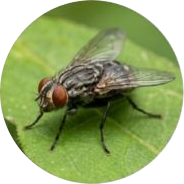
- 25 to 40 mm
- Six legs
- Straight antennae
- Smooth, striped body
- Powerful fliers
- Build aerial nests
1. Why are flies so annoying?
Flies feel annoying because they buzz loudly, move unpredictably, and repeatedly land on skin or food. They are attracted to sweat, moisture, and smells, which bring them close to faces and meals. Their quick reflexes make them hard to swat, and their link to germs increases discomfort.
2. Why are there fruit flies in my bathroom?
Fruit flies in bathrooms are usually drawn to moist drains with built-up organic residue. Hair, soap film, and stagnant water create breeding spots. Leaky pipes or damp mops can also attract them. Cleaning drains thoroughly and removing moisture often reduces bathroom fruit fly activity.
3. How fast do fruit flies reproduce?
Fruit flies reproduce rapidly. A single female can lay dozens of eggs daily, and eggs hatch within about 24 hours in warm conditions. The full life cycle from egg to adult can take just one to two weeks, allowing populations to multiply quickly if food and moisture remain available.
4. How fast do flies fly?
Common houseflies typically fly around 5 miles per hour, with short bursts reaching higher speeds when escaping threats. Their rapid wingbeats and quick visual processing help them react fast. Flies can hover, change direction suddenly, and take off quickly, which makes them difficult to catch.
5. What happens to flies in the winter?
Many flies survive winter by entering a dormant state called diapause. They hide in wall voids, attics, soil, or leaf litter to conserve energy. Others remain as eggs or larvae in protected areas. When temperatures rise in spring, development resumes and adult flies reappear.
6. Do fruit flies come from drains?
Yes, fruit flies can breed in drains when organic residue builds up inside pipes. Slime, food particles, and moisture create an ideal egg-laying site. Although they prefer rotting produce, dirty kitchen or bathroom drains can support their life cycle. Scrubbing drains removes the biofilm where larvae develop.
7. When do lantern flies die?
Spotted lanternfly adults usually die after the first hard frost in late fall. Freezing temperatures kill nymphs and adults, but egg masses survive winter. These eggs remain attached to trees, outdoor furniture, or vehicles and hatch in spring, restarting the seasonal population cycle.
8. Are drain flies dangerous?
Drain flies do not bite or sting and are not known for direct disease transmission. However, they breed in sewage and decaying organic matter, which may expose them to bacteria. Their presence often signals plumbing buildup or moisture problems that require cleaning and maintenance.
9. What colors can flies not see?
Flies have limited sensitivity to red wavelengths, so red often appears dark or black to them. Their vision is more responsive to ultraviolet, blue, and green light. Because of this, darker reds and certain warm tones attract them less than bright or UV-reflective colors.
10. What are lantern flies attracted to?
Spotted lanternflies are strongly attracted to Tree of Heaven, which supports their development. They also feed on grapevines, maples, fruit trees, and other sap-rich plants. Adults gather on host trees to feed and lay eggs, often leaving behind sticky honeydew residue beneath infested areas.
11. How to get fruit flies out of the drain?
Remove the breeding source inside the drain. Pour boiling water to kill larvae, then scrub the pipe with a long brush to remove slime buildup. Use baking soda and vinegar or an enzyme drain cleaner to break down organic residue. Repeat treatments daily until fly activity stops.
12. What to pour down the drain for fruit flies?
Pour boiling water to kill eggs and larvae. Follow with baking soda and vinegar to loosen debris, or use an enzyme-based drain cleaner to dissolve organic buildup. Consistent cleaning for several days helps break the breeding cycle and prevents new fruit flies from emerging.
13. Do flies lay eggs in dog poop?
Yes, flies lay eggs in dog feces because it provides moisture and nutrients for developing larvae. Eggs hatch quickly, often within a day in warm weather. Prompt removal of pet waste reduces fly breeding and helps prevent maggots from forming in outdoor areas.
14. How fast do maggots turn into flies?
Maggots can develop into adult flies in about 7 to 10 days under warm conditions. The larval stage lasts a few days before entering a pupal phase. Warmer temperatures speed up development, allowing new flies to emerge and reproduce rapidly if food sources remain available.
Do flies hate lavender?
Flies are often repelled by the strong scent of lavender. The plant’s natural oils, including linalool, may deter houseflies and other insects. Lavender works best when used as essential oil sprays, crushed leaves, or planted near entry points, though it may not eliminate large infestations.
16. How to clean drains for fruit flies?
Remove the breeding source inside the drain. Scrub the pipe walls with a stiff brush to break up slime and buildup. Flush with boiling water, then use baking soda and vinegar or an enzyme cleaner to dissolve organic residue. Repeat cleaning for several days to stop the life cycle.
17. What spray kills flies?
Contact sprays containing pyrethrins or synthetic pyrethroids kill flies quickly when applied directly. These formulas disrupt the insect’s nervous system and cause rapid knockdown. For lighter infestations, alcohol and dish soap sprays can kill on contact. Spraying works best when flies are directly hit.
18. Does vinegar kill drain flies?
Vinegar alone may not fully eliminate drain flies, but it helps loosen organic buildup where larvae develop. When combined with baking soda and followed by boiling water, it can reduce breeding material. For stronger control, scrubbing the drain and using enzyme cleaners is more effective.
19. How fast do fruit flies multiply?
Fruit flies reproduce extremely fast. Under warm conditions, they complete their life cycle in about 7 to 10 days. Eggs hatch within a day, and new adults can begin breeding within two days. A single female can lay hundreds of eggs, causing rapid population growth.
Share