
Monmouth County Homes: Winter Wildlife Prep Tips

Written by Jack Hayes
Last updated on May 25, 2026

On this page
As winter approaches in Monmouth County, homeowners start focusing on heating, insulation, and general home maintenance. But one issue that often goes unnoticed until it becomes serious is wildlife intrusion.
Colder temperatures push animals like squirrels, raccoons, and rodents to look for warm shelter. Attics, crawl spaces, and rooflines become ideal entry points. Once inside, these animals can cause damage that’s both costly and difficult to detect early.
Agile Pest Control recently shared a short video highlighting how homeowners can prepare for wildlife risks before winter sets in—and why a proactive approach makes all the difference.
Agile Pest Control on Winter Wildlife Prevention
As a fellow homeowner in Monmouth County, my recommendation is ultimately to look for entry points for wildlife.

Make sure you’re keeping things clean, and most importantly, I would recommend reaching out to a wildlife and rodent expert here at Agile Pest Control to provide a free inspection to make sure your home is prepared for this winter.

So, at Agile Pest Control, we don’t just provide a regular wildlife and rodent inspection. We do a complete wildlife exclusion assessment where we’re utilizing our drone technology to identify entry points in your roof line.
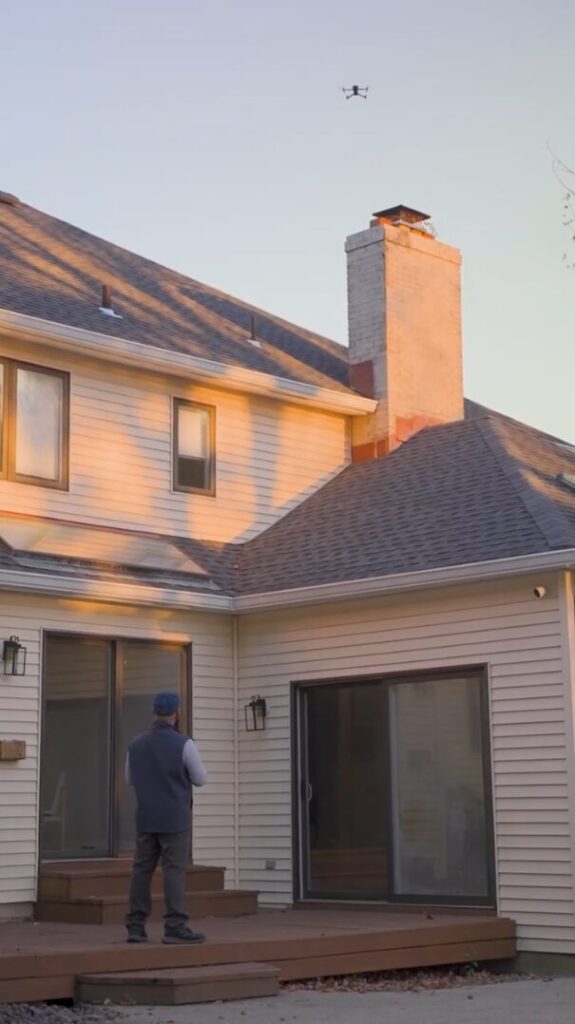
We’re going to go into your crawl space. We’re going to go into your attic and fully understand the opportunity that presents itself for wildlife to get into your home—and make sure that we come up with a comprehensive game plan to protect you and your family going forward.

You know, if you’re a Monmouth County resident, we highly recommend you give Agile Pest Control a call so that we can provide that comprehensive inspection to protect you and your family. But no matter if you’re located in Monmouth County or throughout the Northeast, we highly recommend making sure your home is safe for this coming winter.

Why Winter Increases Wildlife Intrusion Risks
As temperatures drop, wildlife behavior changes. Animals that were previously active outdoors begin searching for enclosed, warmer environments. Homes provide exactly that—especially when small vulnerabilities exist.
Common entry points include:
- ◉ Gaps along the roofline
- ◉ Unsealed vents or soffits
- ◉ Openings around crawl spaces
- ◉ Damaged siding or roofing areas
These entry points often go unnoticed without a detailed inspection. Once wildlife gets inside, they can remain hidden for weeks while causing damage behind the scenes.
A More Complete Approach to Inspection
One of the key takeaways from the video is the difference between a basic inspection and a full wildlife exclusion assessment.
Instead of only checking visible areas, a more comprehensive approach looks at the entire structure of the home. This includes:
- ◉ Roof-level inspections using drone technology
- ◉ Physical checks inside attics and crawl spaces
- ◉ Identifying both active entry points and potential vulnerabilities
By understanding how wildlife can enter—not just where they are—homeowners can take steps to prevent problems before they start.
Preparing Your Home Before Winter Sets In
Prevention is always easier than dealing with damage after the fact. A proactive inspection before winter can help identify risks early and allow for corrective measures to be put in place.
Agile Pest Control works with homeowners across Monmouth County and the surrounding Northeast to evaluate wildlife risks and develop tailored protection plans. By focusing on entry points and long-term prevention, their approach helps reduce the chances of recurring issues during colder months.
For homeowners, taking action before winter arrives can make a significant difference in protecting both the home and the family from unexpected wildlife problems.
Share
0/5
(0 Reviews)