
How to Keep Ants Out of Garden

Written by Jack Hayes
Last updated on October 15, 2026
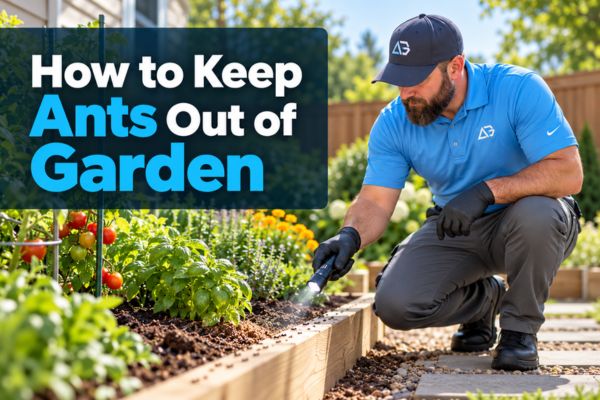
If you are trying to learn how to keep ants out of garden beds without harming plants, start by removing the reason they are there, then target the colony only when the ants are causing a real problem.
Ants often visit beds for sugary honeydew from aphids, fallen fruit, water, or a protected nesting spot. A few ants may do little harm, but heavy activity around seedlings, edible crops, or wooden beds deserves a closer look.
In this guide, we’ll cover practical ways to keep ants out of garden beds, raised beds, vegetable gardens, and problem areas safely.
Key Takeaways
◉ Start by finding what is attracting the ants. Aphids, fallen fruit, moisture, food scraps, and sheltered soil can all keep ants active in garden areas.
◉ Follow ant trails before treating them. Look for nest openings, aphids, irrigation leaks, and other conditions that explain why ants keep returning.
◉ Avoid relying on surface sprays alone. Spraying visible workers may reduce activity for a short time but often does not reach the colony.
◉ Be careful around vegetables and edible plants. Use ant bait or other products only when the label permits use in that garden area.
◉ Natural methods work best when they remove the source of the problem. Managing aphids, removing fallen fruit, fixing moisture issues, and clearing nesting spots can make garden beds less attractive to ants.
◉ Professional help may make sense when ants keep returning, move indoors, sting people, or nest in structural wood. Identifying the species and locating the colony can help determine the right treatment.
How to Keep Ants Out of the Garden
The best way to keep ants out of your garden is to remove food sources, trace where the ants are traveling, and use colony-level control only when their activity is causing trouble. Killing a few workers with spray rarely reaches the nest.
Start here:
◉ Follow the trail. Look for a nest opening, fallen fruit, exposed compost scraps, or ants climbing plants for aphid honeydew.
◉ Check leaves and stems for aphids. Rutgers explains that aphids release sugary honeydew that can draw ants.
◉ Remove attractants. Pick up damaged fruit, keep sweet compost scraps covered, and clear boards or debris that shelter nests.
◉ Use bait carefully. Place an enclosed bait near active trails only when its label allows that site. Keep it away from children, pets, and edible plant surfaces.
◉ Identify the ant. Species matters. Agile’s ant identification guide can help you compare common ant traits.
If activity continues, focus on the nest instead of repeated surface spraying.
How to Keep Ants Out of Garden Beds
To keep ants out of garden beds, first check why one area is attracting them. Follow trails to the soil edge, under stones, around irrigation lines, and up plant stems. Ants moving onto leaves may be feeding on honeydew from aphids or other sap-feeding insects.
Remove fallen fruit and food scraps, limit deep piles of debris near the bed, and repair dripping irrigation parts. If you find an active nest, choose an ant bait labeled for that outdoor site rather than spraying every visible worker. Recheck the bed for new trails after the food source or nest activity has been addressed.
How to Keep Ants Out of Raised Garden Beds
Raised beds can give ants loose soil and quiet nesting space. Check the corners, seams, and soil line for nest openings, then inspect vegetables for aphids.
Keep food debris out of the bed and use only products labeled for edible garden sites. Large black ants moving through damp or damaged wooden boards may need a closer inspection to check for carpenter ant activity.
Why Ants Keep Coming Back to the Same Garden Bed
A homeowner in Monmouth County notices ants crawling around a raised garden bed where tomatoes and peppers are growing. At first, there are only a few, but within several days, the ants are moving in long trails across the soil and up the plants. The homeowner washes away the ants with water and clears fallen leaves from the bed. The ants disappear briefly, but the same trails return the next morning. Nothing seems to keep them away for long.
During inspection, we discovered aphids feeding on the plants and an ant colony nesting near a damp wooden corner of the bed. The ants were attracted to the honeydew produced by the aphids, while the sheltered soil provided a suitable nesting spot.

We recommended managing the aphids and correcting the moisture problem. We also used an appropriate ant bait in a location permitted by the product label. Once we addressed the food source and controlled the colony, ant activity gradually decreased, allowing the homeowner to care for their vegetables without constant ant trails.
How to Keep Ants Out of a Vegetable Garden
To keep ants out of a vegetable garden, protect the food plants first. Check new growth and leaf undersides for aphids, then rinse small aphid groups off with water and protect lady beetles, lacewings, and other beneficial insects that feed on them. Rutgers notes that heavy insecticide use can kill beneficial insects and make aphid problems harder to manage.
For ant nests near vegetables, use a bait or other product only if the label allows use in or around edible crops. Never assume a lawn ant product is safe for tomatoes, herbs, berries, or other food plants. Follow every label direction, including waiting periods before harvest.
How to Keep Ants Out of the Garden Naturally
Natural ways to keep ants out of garden areas work best when they remove what the colony is using. Pick up fallen fruit, manage aphids, clean sugary spills around compost bins, and remove boards or pots that shelter nests.
If ants are climbing a tree or sturdy woody plant to reach aphids, a sticky trunk barrier can block the route when applied over protective wrap. Scented herbs, cinnamon, coffee grounds, and plant oils may change activity briefly, but they do not remove an established nest. If ants keep returning, switch from repelling workers to locating the colony.
What Plants Keep Ants Away From the Garden?
No plant reliably keeps an ant colony out of a garden. Mint, lavender, rosemary, and other scented plants are often recommended online, but extension guidance does not support them as dependable ant control.
For vegetable beds, Rutgers recommends dill, coriander, fennel, and yarrow to attract insects that prey on aphids. These plants support aphid control rather than repelling ants directly.
How to Keep Fire Ants Out of Your Garden
For Monmouth County homeowners, confirm the species before treating what looks like a fire ant. The U.S. Department of Agriculture (USDA) lists imported fire ants across Southern states, parts of California, and Puerto Rico. New Jersey is not included in the current federal quarantine area. APHIS
If you find aggressive stinging ants or a mound that does not match common local ants, avoid disturbing it and get an identification. In areas where imported fire ants are established, garden treatment must match the product label. Some baits are approved for vegetable sites, and many lawn products are not. Keep any pesticide off food plants when the label does not allow that use.
For vegetable beds, Rutgers recommends dill, coriander, fennel, and yarrow to attract insects that prey on aphids. These plants support aphid control rather than repelling ants directly.
What One Homeowner Shared After an Ant Problem
A homeowner contacted Agile Pest Control after noticing an ongoing ant problem. The issue was quickly diagnosed, and the homeowner described the service as thorough. Ant activity can be frustrating when it keeps returning and the source is hard to find. A careful inspection can help identify where the ants are coming from and what may be attracting them.

The homeowner was satisfied with how the issue was handled and recommended Agile Pest Control based on their experience.
When Do Garden Ants Become a Problem You Can't Ignore?
If ants keep returning after you remove food sources, manage aphids, and stop easy nesting conditions, the next step is to identify the species and locate the colony. Professional help makes sense when ants are stinging, nesting in structural wood, moving indoors, or appearing in large numbers around food-growing areas.

Agile Pest Control helps Monmouth County homeowners inspect ant activity and choose a treatment that fits the pest and property. For garden problems, tell the technician where food crops, pets, children, and active beds are located so any treatment plan can account for those areas.
Frequently Asked Questions
Do ants damage garden plants?
Most ants do not feed on healthy garden plants. Problems can start when ants protect aphids, disturb seedlings, nest in wood, or sting people working nearby.
Does vinegar keep ants out of garden beds?
Vinegar may disrupt trails on hard surfaces for a short time, but pouring it into garden soil can harm plants and will not reliably remove a colony.
Can I use ant bait in a vegetable garden?
Only use ant bait when the product label permits use in that site. Keep bait away from edible plant surfaces and follow all placement and harvest directions.
Why are ants all over my tomato plants?
Check the undersides of leaves for aphids. Ants often visit tomato plants to collect sugary honeydew, so managing the aphids may reduce the ant activity.
Should I remove every ant from my garden?
No. A few ants usually do not require treatment. Act when colonies interfere with gardening, sting people, protect plant pests, or keep moving toward the home.
Share