
How Fast Do Bed Bugs Multiply or Spread from Room to Room?

Written by Jack Hayes
Last updated on June 20, 2026
On this page
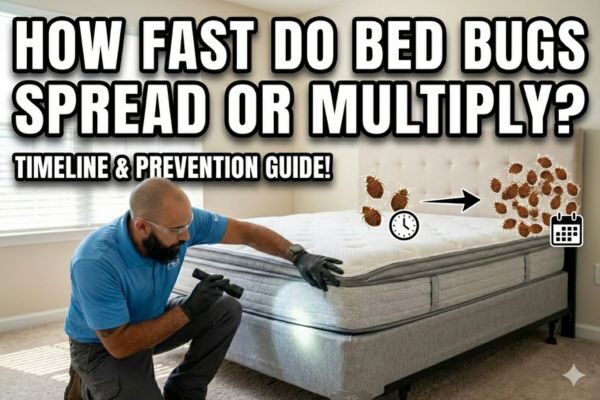
Bed bugs don’t spread slowly, and that’s what catches most people off guard. One room turns into two. One bed turns into furniture. And suddenly, the problem feels out of control.
What makes this worse is that bed bugs spread quietly. You don’t see them moving. You just notice more bites, more spots, more stress.
In this guide, we’ll break down how fast bed bugs actually spread, what speeds it up, and where most people underestimate the risk, so you know when to act before it gets bigger.
Key Takeaways
- ◉ Bed bugs multiply fast, with eggs hatching in days and populations growing noticeably within weeks, not months.
- ◉ Even early infestations don’t stay contained; bed bugs quietly move room to room through baseboards, outlets, and hallways.
- ◉ Changing sleeping locations or heavy DIY activity can speed up the spread, not stop it.
- ◉ Bed bugs spread between homes by hitchhiking on luggage, clothes, and furniture, especially in apartments and shared laundry spaces.
- ◉ Early physical signs (spots, shed skins, eggs) matter more than bites, and once multiple rooms are involved, professional treatment is usually needed to fully stop the spread.
How Fast Do Bed Bugs Multiply in Your House?
Bed bugs don’t need months to become a problem. Once they’re inside, growth happens fast, often faster than people expect.
Egg-to-Adult Timeline (And Why It Adds Up Fast)
A single bed bug can lay multiple eggs per day under ideal conditions. Those eggs hatch in about a week, and young bed bugs can mature into adults in as little as a month under the right conditions.
Why this matters: one overlooked bug can turn into dozens in weeks. That’s why infestations seem to “explode” out of nowhere.
Simple math: fewer bugs now beats many bugs later, every time.
What Speeds Up Reproduction (Warmth + regular feeding)
Bed bugs thrive when two things are present:
- ◉ Warm indoor temperatures
- ◉ Consistent access to people at night
Bedrooms provide both.
Why this matters: heated homes and nightly feeding speed up egg laying and development. The more settled they are near a bed, the faster numbers climb.
Action step: reducing access (temporary relocation, encasements) can slow growth, but it won’t stop it completely.
How Fast Do Bed Bugs Reproduce Without a Mate?
This surprises a lot of people. Bed bugs cannot reproduce without mating. A single female still needs to mate to lay fertile eggs.
So if one lone bed bug enters your home and it never mates, it will not start a growing infestation on its own.
Why this matters: People often panic after finding one bug and assume dozens more are coming immediately. That isn’t always true.
What usually happens instead:
- A pregnant female is brought in from another location
- Multiple bugs arrive together in luggage or furniture
- Bugs were already present and hidden nearby
Simple takeaway: One bug is a warning sign. It does not always mean active reproduction, but it does mean you should inspect carefully.
Do Bed Bugs Travel From Room to Room? Yes—Here’s How
Yes, they do, and not just when the infestation gets “bad.”
How They Move Through a Home (baseboards, outlets, hallways)
Bed bugs don’t fly or jump. They crawl, and they’re good at staying hidden.
Common paths include:
- ◉ Along baseboards and carpet edges
- ◉ Through wall voids and electrical outlets
- ◉ Across hallways, especially at night
Why this matters: you might think the problem is contained to one room, but bugs can already be moving beyond it without being seen.
How Fast They Can Spread Between Rooms
Spread doesn’t always mean dozens of bugs moving at once. Often, it’s one or two at a time.
That’s enough.
Why this matters: even slow movement leads to new hiding spots and new breeding areas. A “bedroom problem” can quietly become a whole-home issue.
Reality check: if bites continue despite treating one room, spread is likely already happening.
What We See During Early Bed Bug Inspections
This is a call we get very often.
A homeowner notices bites and is sure the problem is limited to one bedroom. They’ve already washed the sheets, maybe sprayed the mattress, and feel confident they caught it early. The plan is simple: handle that one room and move on.
But when they call us to double-check, the story usually changes.
During one inspection, the bites were only happening in the main bedroom. Nothing seemed wrong elsewhere. But when we looked beyond the bed, we started seeing small clues outside the room. A few dark spots along the baseboard in the hallway. A shed skin behind a nightstand in the next room. Light activity near an outlet just outside the bedroom door.
None of it was obvious. Nothing you’d notice during normal cleaning.
The bed bugs hadn’t spread all at once. They didn’t rush. One or two moved at a time, weeks earlier, before the bites became regular. By the time the homeowner felt sure something was wrong, movement between rooms had already started.
That’s where most people get caught off guard. It’s not that bed bugs spread suddenly. It’s that they spread quietly. And by the time the signs feel clear, they’ve often been expanding for a while.

Do Bed Bugs Stay in One Room or Spread Through the Whole House?
Early on, bed bugs usually stay close to where they feed. Over time, that changes.
When They Usually Stay Near the Bed
At the start, bed bugs prefer to stay within a few feet of the bed.
That’s because:
- ◉ People are stationary while sleeping
- ◉ Feeding is easier and safer
- ◉ Hiding spots are nearby
Why this matters: early infestations can look small and contained, even when they aren’t fully under control.
What Makes Them Expand Into Other Rooms
Moving to another bedroom without professional guidance often speeds up spread instead of stopping it.
Common triggers include:
- ◉ Increased population and crowding
- ◉ Disturbance from cleaning or DIY treatments
- ◉ Hosts sleeping in different rooms
Why this matters: moving to another room doesn’t escape bed bugs; it often invites them to follow.
Action step: avoid shifting sleeping locations without a plan. It can speed up the spread.
How Bed Bugs Spread From House to House (Hitchhiking, Not Flying)
Bed bugs don’t travel far on their own. They spread by riding along with people and objects.
The Most Common “Ride-Alongs” (luggage, clothes, furniture)
The most common ways bed bugs move include:
- ◉ Suitcases after travel
- ◉ Clothing and bags
- ◉ Used furniture or mattresses
Why this matters: bed bugs don’t need direct contact between homes. One infested item is enough.
Real example: a single suitcase placed on a bed can introduce bed bugs into a new home.
Apartments + Shared Laundry: Why Spread Happens Faster
Multi-unit buildings speed everything up.
Why:
- ◉ Shared walls and plumbing allow movement
- ◉ Communal laundry areas mix items
- ◉ Units are closer together
Why this matters: in apartments, bed bugs can spread even if you’re careful. That’s why infestations often affect multiple units at once.
Early Signs the Infestation Is Spreading (Not Just Bites)
Bites get attention, but they’re not the best indicator of spread. Physical signs tell you more, sooner.
What to Look For on Beds, Furniture, and Walls
As bed bugs spread, they leave traces behind.
Watch for:
- ◉ Small dark spots (fecal marks) on sheets or mattress seams
- ◉ Rust-colored stains on bedding
- ◉ Shed skins near furniture joints or baseboards
- ◉ Tiny white eggs tucked into cracks
Why this matters: these signs show where bed bugs are hiding and expanding, not just where they’re biting.
Where to Check First in Each Room
Start where bed bugs feel safest.
Check:
- ◉ Mattress seams and box springs
- ◉ Headboards and bed frames
- ◉ Nightstands and nearby furniture
- ◉ Baseboards and wall outlets near beds
Why this matters: catching the spread early can keep the problem from jumping rooms.
How Fast Do Bed Bug Bites Appear After Exposure?
There is no single answer. Bites can appear within hours for some people, or days later for others.
That delay is why many people misjudge where they were exposed.
What affects timing:
- Personal skin reaction
- Number of bites
- Prior sensitivity to bites
- How long have bugs been fed
Why this matters: You may wake up bite-free and still notice marks later that day or the next morning.
What you can do:
- Track where you slept recently
- Check bedding and mattress seams
- Watch for repeated bite patterns over several nights
Simple takeaway: Bites help identify a problem, but they are not the most reliable timeline tool.
How to Slow the Spread Immediately (Before Treatment)
You may not be ready for full treatment yet, but what you do now matters.
Contain the Room Without Accidentally Moving Bugs
The biggest mistake is moving items too freely.
Do this instead:
- ◉ Keep infested items in the room
- ◉ Avoid carrying loose clothing through the house
- ◉ Bag items before moving them
Why this matters: bed bugs hitch rides. Containment buys you time.
Laundry + Heat Steps That Reduce Spread
Laundry helps, but only when done correctly.
Steps that work:
- ◉ Bag items before transporting
- ◉ Wash hot and dry on high heat
- ◉ Dry for at least 30 minutes after items are fully dry
Why this matters: heat kills bed bugs and eggs. Shortcuts don’t.
Key reminder: laundry reduces spread, it doesn’t eliminate the infestation.
What Makes Bed Bugs Spread Faster Than Normal?
Some situations cause bed bugs to spread much faster than expected.
Common accelerators include:
- Moving infested items into clean rooms
- Sleeping in multiple rooms
- Heavy clutter with many hiding spots
- Delaying treatment for weeks
- Picking up used furniture
- Random spraying that scatters bugs
Why this matters: A small, manageable issue can become a whole-home problem if bugs are repeatedly moved around.
What you can do right now:
- Sleep in one place unless advised otherwise
- Stop moving items between rooms
- Bag laundry before transport
- Reduce clutter near beds and couches
Simple takeaway: Human movement spreads bed bugs faster than bed bugs spread themselves.
Signs It’s More Than You Can Handle and You Should Call a Pro
Some bed bug situations move past DIY control faster than people expect. Knowing when that happens saves time, stress, and money.
Clear signs include:
- ◉ Bed bugs showing up in multiple rooms
- ◉ New bites continuing after proper laundry and containment
- ◉ Physical signs spreading beyond the bed area
- ◉ Repeated sightings despite cleaning or treatments
- ◉ Feeling forced to change sleeping locations
Why this matters: bed bugs don’t fix themselves. Once they spread, partial steps can actually make things worse by pushing bugs into new hiding spots.

What we see often during AgilePests Bed Bug Treatment: Homeowners do everything right early, laundry, bagging, cleaning, but the infestation has already expanded into walls, furniture, or nearby rooms. At that stage, targeted professional treatment is the only way to stop the cycle.
Bottom line: if the problem keeps growing despite your best efforts, it’s no longer about effort; it’s about access and coverage. Acting sooner prevents a small problem from becoming a whole-home one.
What Homeowners Share After Choosing agilepests for Bed Bug Treatment
Many homeowners try to handle bed bugs on their own at first. But once the problem spreads, professional help often makes the biggest difference. Here’s what one local customer from a Manalapan home shared after working with AgilePests.

FAQs About How Fast Bed Bugs Spread and Multiply
How quickly can a bed bug infestation grow?
A bed bug infestation can grow noticeably within a few weeks. Female bed bugs lay several eggs over time, and those eggs can hatch in about a week under warm indoor conditions. As new bugs mature and begin feeding, the population can increase quickly if the infestation is not addressed early.
Do bed bugs spread while people are sleeping?
Bed bugs usually move and feed during the night when people are asleep. After feeding, they return to nearby hiding spots such as mattress seams, bed frames, or baseboards. During these nightly movements, a few bugs may wander farther and begin establishing new hiding places in nearby areas.
Can bed bugs spread through clothing and laundry?
Yes, bed bugs can spread through clothing, bedding, and laundry if items are moved between rooms or homes without containment. They may hide in fabric folds or seams and travel unnoticed. Bagging items before moving them and using high dryer heat helps reduce the chance of spreading them.
How far can bed bugs travel inside a home?
Bed bugs can crawl several feet or more in search of a host or new hiding spot. They often follow edges such as baseboards, carpet seams, and wall cracks to move through a home. Over time, this movement can allow them to reach additional rooms.
Can a single bed bug start a full infestation?
Yes, one fertilized female bed bug can start a new infestation if conditions allow it to survive and feed. Because bed bugs reproduce steadily and hide well, even a single bug brought in on luggage or furniture can eventually lead to a larger problem.
Share
0/5
(0 Reviews)