
How Does Rat Bait Work? The Part Most People Never Realize

Written by Jack Hayes
Last updated on February 28, 2026
On this page
You find rat droppings or hear scratching at night, and the first solution that comes to mind is rat bait. It sounds simple. Put the bait down. Rats eat it. Problem solved.
But that’s where most homeowners miss an important detail.
Rat bait doesn’t work instantly, and it doesn’t work the same way people expect. What happens inside the rat’s body, and what happens after the bait is eaten, matters more than the bait itself.
Understanding that difference explains why bait sometimes works, sometimes fails, and sometimes creates new problems you didn’t plan for.
Here’s what actually happens after a rat eats bait, and why it matters.
Key Takeaways
◉ Rat bait works slowly on purpose. It is not instant.
◉ Rats may stay active for days after eating bait. This is normal.
◉ Different baits work in different ways. Placement matters more than speed.
◉ Rats often die in hidden areas, which can cause odor or exposure issues.
◉ Professional control focuses on prevention, not just killing rats.
How Does Rat Bait Work Inside a Rat’s Body?
Most rat bait doesn’t kill rats right away. That delay is intentional. Once eaten, the bait interferes with normal body functions over time, not instantly. In many cases, it affects the rat’s ability to clot blood or process essential nutrients. The rat continues moving, eating, and nesting as usual for days before the effects fully set in.
Why this matters: If bait worked immediately, rats would associate it with danger and avoid it. The delayed effect prevents that. The slow action keeps rats from linking the bait to harm, which makes it more likely the colony continues feeding. This is also why people are often surprised when they still hear activity after placing bait. The bait may be working, just not in the way they expect.
Why Rat Bait Often Feels Like It’s Not Working at First
This is a situation we see all the time.
A homeowner finds rat droppings along the garage wall and hears scratching at night. They buy rat bait, place it near the area, and expect the noise to stop within a day or two.
But it doesn’t.
The scratching continues. Droppings still show up. After a few days, they start thinking the bait failed. That’s usually when they call us.
When we inspect homes like this, the bait itself often isn’t the problem. In many cases, the rats have already eaten it. The issue is timing and expectations. Rat bait doesn’t work overnight. After eating it, rats can stay active for several days. They keep moving, nesting, and making noise while the bait slowly takes effect.
Then something else happens.
About a week later, the scratching suddenly stops. But now there’s a new issue — a faint, unpleasant smell coming from inside a wall or ceiling. That’s when the homeowner realizes the bait did work, just not in the way they expected.
The rat didn’t die where the bait was placed. It went back to a hidden space where it felt safe.
This is why rat bait often feels ineffective at first. There’s no immediate change, so it looks like nothing is happening. Then the results show up later, sometimes along with problems like odor or exposure risks.
Once homeowners understand this, the situation makes more sense. Bait isn’t about speed. It’s about placement, patience, and planning for what happens after the rat eats it. That’s why follow-up and prevention matter just as much as the bait itself.

What Types of Rat Bait Are Commonly Used?
Not all rat bait works the same way. Different products are designed for different situations, feeding habits, and infestation sizes. That’s where many homeowners get confused.
The two most important differences to understand are how the bait kills and how many times a rat needs to eat it. Those details explain why some bait seems to work at first, while other products fail or cause new problems.
Using the wrong bait or placing it poorly can create new risks without solving the problem. It can increase risk and leave the main issue unresolved.
Anticoagulant Rat Bait
Anticoagulant bait is one of the most common types used. It works by interfering with the rat’s ability to clot blood. Over several days, internal bleeding builds until the rat dies.
The delay is intentional. Rats don’t feel immediate pain or distress, so they don’t connect the bait with danger. That allows other rats in the area to keep feeding instead of avoiding it.
Why this matters: Anticoagulants can be effective, but only with proper placement and control. Scattered bait raises the risk of exposure and increases the chance of odor problems. It also raises the chance of rats dying in hidden areas, which can lead to odor problems inside walls or attics.
Single-Feed vs Multi-Feed Bait
Single-feed bait is designed to be lethal after one meal. Multi-feed bait requires rats to eat it several times over a few days.
Single-feed bait works faster, but it leaves less room for error. If placed incorrectly, it can pose higher risk to non-target animals. Multi-feed bait works more slowly, but it allows for more controlled feeding in active infestations.
The key difference isn’t just speed. It’s how reliably rats return to feed and how well the bait fits the environment. In many cases, slower and controlled works better than fast and aggressive.
How Long Does It Take for Rat Bait to Work?
Most rat bait takes 3 to 10 days to show noticeable results. During that time, rats may still be active. You may still hear scratching or see droppings.
This delay is normal. It prevents rats from associating the bait with danger. If bait worked overnight, rats would stop feeding and avoid it.
Why this matters: many homeowners assume the bait failed and add more too quickly. That doesn’t improve results. It increases risk. Placement and patience matter more than quantity.
Real Homeowner Review After Rats Kept Showing Up
One homeowner had rat issues and expected fast results, but needed a clear plan and follow-up instead. After Manny visited, they chose Agile Pests. Later, they shared their feedback.

What Happens After a Rat Eats the Bait?
After eating bait, rats usually return to their nests or wall voids as their condition worsens. This is where problems often start.
Some rats die outdoors. Others die inside walls, ceilings, crawl spaces, or attics. That depends on where the rat feels safest.
This is why bait alone doesn’t always solve a rat problem. Odor, secondary exposure, and ongoing activity can still happen. What happens after the bait is eaten matters just as much as the bait itself.
Is Rat Bait Dangerous to Pets, Children, or Wildlife?
Yes, rat bait can be dangerous when it’s misused or poorly placed.
Pets may eat bait directly or consume a poisoned rat. Dogs are especially at risk. Children can be exposed if bait is left unsecured. Wildlife faces risk through secondary poisoning, when predators eat poisoned rodents.
Why this matters: many people underestimate how far rats travel or where bait ends up. Safety depends less on the bait itself and more on how and where it’s used.
Why Bait Stations Are Used With Rat Bait
Bait stations exist for one reason: control.
They keep bait contained, protect pets and children, and guide rats to feed in predictable locations. They also keep bait dry and stable, which improves effectiveness.
Loose bait increases risk without improving results. Stations don’t make bait harmless, but they greatly reduce the chance of something going wrong.
Why Rat Bait Sometimes Doesn’t Solve the Problem
Rat bait often fails because it’s used as a standalone fix. Killing a few rats doesn’t stop new ones from entering if entry points, nesting areas, and food sources remain.
Rats are cautious. Poor placement can cause avoidance. In other cases, rats die unseen while the colony stays active elsewhere.
Why this matters: Bait kills individual rats, but it doesn’t stop new ones from getting in. Without addressing access and movement, bait becomes a temporary solution that keeps repeating the same cycle.
When Professional Rat Control Is the Safer Option
When rats are active indoors, keep coming back, or create safety concerns, it’s usually time to step beyond DIY bait. Homes with pets, children, or shared spaces face higher risks from improper bait use, secondary exposure, and rats dying in hidden areas.
That’s when AgilePests Rat Control becomes useful. Instead of relying on bait alone, a structured inspection looks for entry points, nesting areas, and movement patterns first. That reduces unnecessary poison use and lowers the risk of odor or accidental exposure.
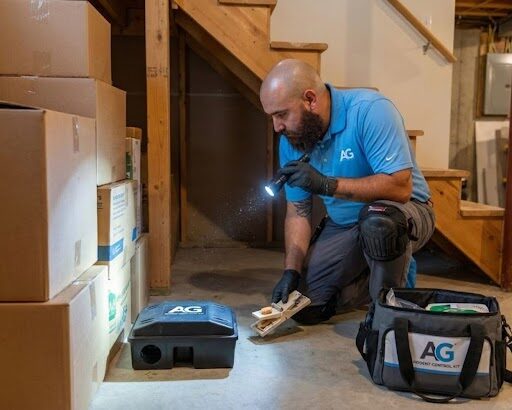
At AgilePests, the focus is on stopping the cycle, not just removing a few rats. The goal is to identify why rats are getting in, block future access, and choose control methods that fit the home safely.
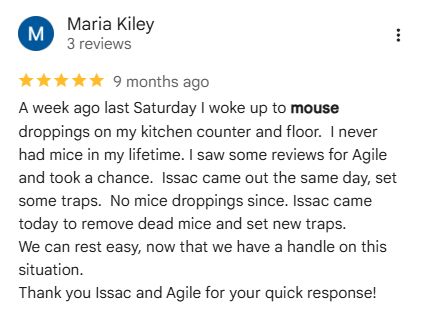
What happened after a homeowner found Mouse droppings indoors
One homeowner woke up to mouse droppings on the kitchen counter and floor and called the same day.
After Isaac set traps and returned to remove mice and reset traps, they said the droppings stopped and they felt calm knowing the situation was handled.
Share