
Common Pest Entry Points Around Brick Township Homes

Written by Jack Hayes
Last updated on September 24, 2026
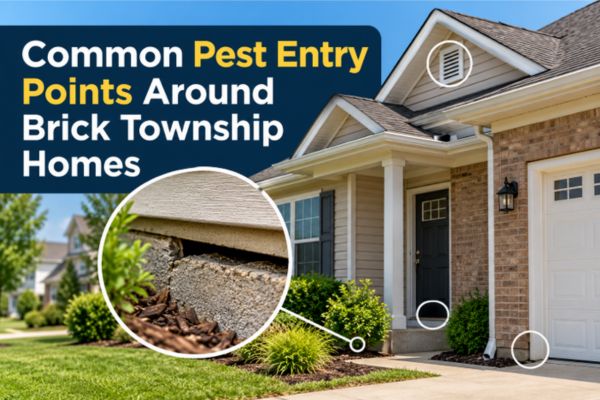
Pests usually enter homes through small openings that are easy to overlook. Common problem areas include foundation gaps, doors, utility openings, vents, and roofline spaces. In Brick Township, some homes may also have raised structures or flood-related features that require extra care when checking exterior openings. Knowing where pests get inside can help homeowners find weak points before they become bigger problems.
Key Takeaways
◉ Small gaps around foundations, doors, pipes, vents, and rooflines can provide entry points for rodents and insects.
◉ Sealing openings works best when the repair matches the type of pest and the structure’s needs.
◉ Flood openings and drainage features should not be blocked when they serve an important building function.
◉ Signs like droppings, scratching sounds, mud tubes, or repeated activity may require professional evaluation.
◉ Regular exterior inspections can help identify entry points before pests become established.
Why Pest Entry Points Matter
Food, moisture, and shelter attract pests, but access is what allows them to enter a home. Even a small opening can create an opportunity for rodents or insects to move inside.
The Centers for Disease Control and Prevention notes that mice can fit through openings around the width of a pencil. This is why small cracks, gaps around pipes, and damaged seals deserve attention during a home inspection.
For homeowners who need help identifying pest entry points, Agile Pest Control provides pest control services in Brick, NJ. A professional inspection can help determine which openings are active and which repairs should be prioritized.
Foundation Cracks and Ground-Level Gaps
The foundation is one of the first areas to inspect. Walk around the outside of your home and check where the foundation connects with siding, steps, patios, and utility areas.
Look for:
- ◉ Cracks in foundation walls or gaps around exterior materials.
- ◉ Openings where pipes, cables, or other utilities enter the home.
- ◉ Spaces under doors or around crawl space areas.
Keep vegetation, mulch, and stored materials from creating hidden contact points near the structure. Moist conditions and wood-to-soil contact can also increase termite risks because subterranean termites in New Jersey rely on soil access and moisture when reaching wooden materials.
If a crack appears structural or continues growing, it may require evaluation from a qualified builder or contractor rather than a simple sealant repair.
Doors, Garages, and Windows
Exterior doors are common areas where pests find access. Check weather stripping, door sweeps, and corners where the door meets the frame.
A simple inspection can include:
◉ Looking for visible daylight around closed doors.
◉ Checking worn or damaged door seals.
◉ Inspecting garage door corners and bottom seals.
Windows and screens also matter. Torn screens and gaps around window frames can allow insects to enter, especially when they are seeking shelter indoors.
Repair damaged screens and seal appropriate exterior gaps while keeping necessary drainage openings clear.
Utility Openings, Pipes, and Vents
Any place where a pipe, wire, or vent passes through an exterior wall can become an entry point.

Common areas include:
- ◉ Plumbing lines under sinks.
- ◉ Electrical, cable, and utility penetrations.
- ◉ Dryer vents and exhaust openings.
- ◉ Crawl space and attic vents.
Check both the interior and exterior sides of these areas. A gap around a pipe inside the home may connect to an opening outside that needs attention.
Vents require special care because they often serve important airflow functions. Do not block openings that are required for ventilation or building performance.
Rooflines, Soffits, and Chimneys
Pests do not only enter from ground level. Rodents and wildlife can access homes through higher areas such as:
- ◉ Roofline gaps.
- ◉ Damaged soffits or fascia boards.
- ◉ Openings near chimneys.
- ◉ Unscreened attic vents.
Tree branches touching or extending close to the structure can also create pathways for some wildlife. Keeping branches trimmed away from the home can reduce opportunities for access.
Raised Homes and Flood Openings in Brick Township
Some Brick Township homes include elevated designs or enclosed areas beneath living spaces. These areas should be inspected carefully because gaps around storage areas, utilities, decks, and crawl spaces can provide access for pests.
However, homeowners should be careful when sealing lower-level openings. Some homes in flood-prone areas require flood openings that allow water movement during flooding events.
Do not permanently block, seal, or cover these openings without confirming that the change will not interfere with flood protection requirements.
Different Pests Need Different Prevention Methods
Not every pest entry problem is solved the same way.
Rodent Entry Points
For small rodent gaps, materials such as metal mesh, hardware cloth, or other durable barriers may be more effective than materials rodents can chew through.
Avoid relying only on expanding foam because it may not provide a durable barrier by itself.
Insect Entry Points
Small exterior cracks around siding, windows, doors, and utility penetrations may allow insects to enter. Properly selected exterior sealants can help close these gaps.
Termite Concerns
Termites require a different approach because they are connected to soil, moisture, and wood conditions. Homeowners should watch for signs such as mud tubes or termite swarmers and consider professional inspection when activity is suspected.
When to Consider a Professional Inspection
Homeowners can often repair visible, accessible gaps. However, professional help may be useful when:
- ◉ Pest activity continues after visible openings are sealed.
- ◉ Droppings, scratching sounds, or nesting signs appear.
- ◉ Entry points are difficult to reach, such as roof areas or enclosed spaces.
- ◉ Termite signs such as mud tubes or swarmers are present.
A professional inspection can help separate active pest entry points from harmless gaps and determine which repairs should happen first.
Frequently Asked Questions
Do I need to seal every opening around my home?
No. Some openings serve important purposes, such as drainage or ventilation. The goal is to close unwanted pest access points without blocking necessary building functions.
Can mice enter through very small gaps?
Yes. Mice can fit through openings around ¼ inch wide. This is why checking small gaps around utilities, doors, foundations, and vents is important.
Should I block crawl space or flood openings to stop pests?
Not always. Some openings may be required for airflow or flood protection. Before modifying these areas, confirm that the repair will not create building or safety problems.
Share