
How to Get Rid of Tick Infestation?

Written by Jack Hayes
Last updated on August 18, 2026
On this page
You’ve found ticks in or around your home, and now you want to know how to get rid of a tick infestation before you start finding more and the problem becomes harder to control.
Ticks may be brought inside by pets, people, or wildlife, then hide near bedding, carpets, furniture edges, and small cracks. One tick does not always mean your home is infested, but repeated sightings are a sign that you should check more closely.
In this guide, we’ll explain how to spot a tick problem, what causes it, how to treat it, and what you can do to keep ticks from returning.
Key Takeaways
◉ Repeated tick sightings indoors can point to an infestation, especially near pet bedding, furniture, baseboards, or wall cracks.
◉ Ticks often enter properties on pets, people, deer, rodents, or other wildlife, then settle in areas where suitable hosts and shelter are available.
◉ Wooded edges, tall grass, brush, leaf litter, and shaded yard borders are common places where ticks may be found around a home.
◉ Getting rid of a tick infestation means checking pets, removing visible ticks, cleaning indoor hiding spots, washing fabrics, and dealing with outdoor areas that support tick activity.
◉ Prevention starts with short grass, cleared leaves and brush, regular pet checks, and clean sleeping areas so ticks have fewer chances to remain indoors or nearby.
Can You Have a Tick Infestation in Your House?
Yes. You can have a tick infestation inside your house, though most ticks are brought indoors on pets, clothing, or gear. The brown dog tick is different from many outdoor species since it can live and reproduce indoors, including homes and kennels.
For homeowners, repeated tick sightings near pet bedding, furniture, baseboards, or wall cracks deserve attention. A single tick may have been carried inside after outdoor activity. Several ticks appearing over time can point to an indoor problem, especially if you have a dog that spends time outside.
What Are the Signs of a Tick Infestation?
Common signs of a tick infestation include repeated tick sightings, ticks attached to pets or people, and ticks found around pet resting areas. Brown dog ticks may drop from a dog after feeding and move into cracks, sofas, or wall gaps to molt or lay eggs.
Check your dog closely around the ears, head, back, toes, and joints, where brown dog ticks often feed. Finding ticks in several indoor spots over several days is more concerning than finding one tick after a walk. Small ticks can be easy to miss, so a close inspection matters.
How to Check for a Tick Infestation
Check pets first, then inspect pet bedding, carpet edges, baseboards, furniture seams, and wall cracks with a bright flashlight. Look for both flat ticks and swollen ticks that have recently fed. Tick size and color can vary by life stage, so do not rely on size alone.
What Causes a Tick Infestation?
A tick infestation usually starts when ticks enter your property on pets, people, deer, rodents, or other wildlife. Outdoor ticks often wait on grasses and shrubs for a host to pass, then attach and travel with that host.
Around your home, overgrown vegetation, leaf litter, brush, and frequent wildlife activity can create places where ticks survive and find hosts. Pets that spend time outside may carry ticks indoors too. The Centers for Disease Control and Prevention recommends checking outdoor pets daily, since removing attached or crawling ticks may keep them from moving into living areas.
Where Are Tick-Infested Areas?
Tick-infested areas often include wooded edges, tall grass, brush, leaf litter, and shaded yard borders. The Environmental Protection Agency(EPA) identifies tall grass, shrubs, and leaf litter as common tick habitat. In New Jersey, Rutgers recommends mowing grass and clearing leaves and brush to make residential yards less favorable for ticks.
When a Few Ticks Turn Into a Problem Around the House
A homeowner finds a tick on their dog after an evening outside. They remove it and don’t think much about it. A few days later, there’s another one.
Then they find a tick crawling near the dog’s bed. They wash the bedding, vacuum the room, and check the dog again. Everything looks clean.
But the ticks keep showing up.
That’s usually when they call us.
That careful approach is something customers notice. One customer shared that they appreciated Agile’s professionalism, friendly communication, commitment, and willingness to listen. That kind of attention matters when the visible tick may only be one clue and the real source still needs to be found.

When we inspect, the clue often turns out to be the dog’s usual path through the backyard. Every evening, the dog walks along the same shaded fence line before coming back inside. That area may have tall grass, damp leaves, and plenty of cover close to the ground. The homeowner may not think much about it, but it gives ticks a good place to wait for a passing host.

So the ticks near the dog bed may not really be starting indoors. The dog could be bringing them back from the same part of the yard again and again.
Once that outdoor area is cleaned up, the pet is checked regularly, and the indoor sleeping areas are cleaned and treated, the repeated sightings can finally stop. That’s why finding ticks indoors more than once matters. The tick you see may only be the clue. The real problem can be the outdoor area your pet keeps passing through every day.
How to Get Rid of a Tick Infestation
To get rid of a tick infestation, start by removing visible ticks, checking pets, cleaning areas where ticks may hide, and treating the source of the problem. If ticks are appearing inside your home more than once, focus on both indoor hiding spots and the places where pets or people may be bringing them in.
Use these steps:
◉ Check pets carefully, especially around the ears, neck, toes, and legs. Remove attached ticks with fine-tipped tweezers.
◉ Vacuum carpets, rugs, furniture edges, baseboards, and cracks where ticks may hide.
◉ Wash pet bedding, blankets, and washable fabrics that may have come into contact with ticks.
◉ Inspect rooms where pets sleep or spend the most time.
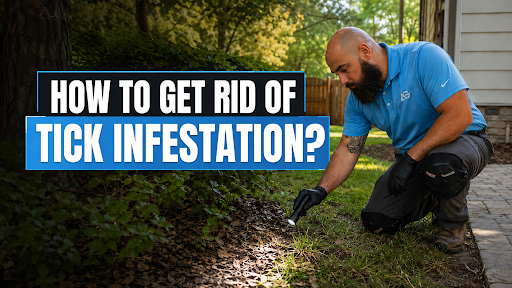
◉ Check your yard for tall grass, leaf piles, brush, and shaded edges that may support tick activity.
◉ Use a tick-control product only as directed on its label, or contact a licensed pest professional if ticks keep appearing.
A persistent tick infestation in the house can take more than one cleaning or treatment. Keep checking pets and indoor hiding spots until tick activity stops.
How to Prevent a Tick Infestation
Preventing a tick infestation starts with making your yard less suitable for ticks and checking anything that may carry them indoors. Keep grass short, remove leaf litter and brush, and reduce dense vegetation along wooded yard edges.
Check pets for ticks each day after they spend time outdoors. Check your clothing and body after time near woods, brush, or tall grass. Keep pet sleeping areas clean and watch for new ticks around baseboards, furniture, and bedding.
Signs Your Tick Problem Is Too Big to Handle Alone
If ticks keep appearing after cleaning, pet checks, and yard maintenance, the problem may need professional attention. If you find ticks during your checks, learning how to remove individual ticks safely can help you deal with the ones you can see.

Agile Pest Control can inspect the areas where ticks are showing up, identify likely hiding spots, and recommend a treatment plan based on what is happening around your home. Professional help can be useful when ticks continue returning, appear in several rooms, or remain active around your yard after basic prevention steps.
Share
0/5
(0 Reviews)