
How to Get Rid of Drain Flies?

Written by Jack Hayes
Last updated on October 12, 2026
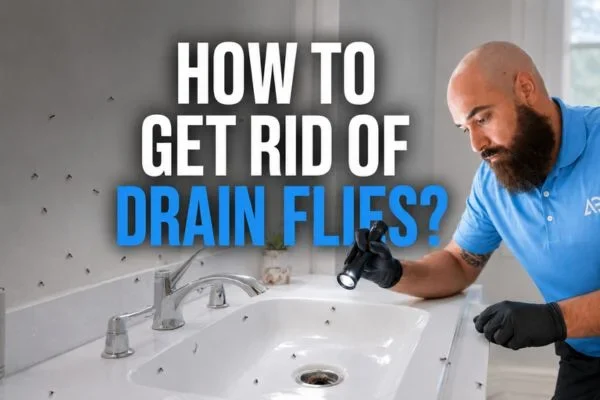
To get rid of drain flies, start by removing the buildup inside the drain, not just the flies you see near the sink. These small flies often appear around bathroom drains, kitchen sinks, showers, floor drains, or toilets where moisture and organic material collect.
These tiny moth-like flies are usually nuisance pests, but they can keep returning if their breeding source is not cleaned properly. This guide explains what causes drain flies, where they come from, and how to remove them the right way.
Key Takeaways
◉ Drain flies usually come from slimy buildup inside drains, not from the open room.
◉ Common drain fly spots include sinks, showers, floor drains, toilets, and basement drains.
◉ The best way to get rid of drain flies is to scrub the drain walls and remove the organic film where larvae grow.
◉ Bleach, boiling water, and Drano may reduce activity temporarily, but they do not replace removing the breeding material inside the drain.
◉ To prevent drain flies, remove buildup, repair leaks, keep surrounding areas free of standing moisture, and regularly run water through infrequently used drains.
What Are Drain Flies?
Drain flies are small, fuzzy flies that often appear near sinks, showers, tubs, floor drains, and toilets. A drain fly usually looks like a tiny gray or brown moth with rounded wings and a fuzzy body. They are weak flyers, so you may see them resting on walls, tiles, mirrors, or sink edges. Immature drain flies are larvae that develop inside wet organic buildup, where they feed on microorganisms associated with the film.
Why this matters: If you only kill the adult flies, larvae inside the drain can continue developing into new adults.
Drain Flies vs Fruit Flies, Gnats, and Sewer Flies
Drain flies, fruit flies, gnats, and sewer flies can look similar at first, but they usually come from different sources. Drain flies commonly develop in wet organic material inside drains, fruit flies are associated with fermenting food and residue, and fungus gnats commonly develop in damp plant-growing media.
A simple way to tell the difference:
◉ Drain flies look fuzzy and often rest near drains.
◉ Fruit flies are small and smooth-bodied and usually gather near fruit, food residue, trash, or fermenting material.
◉ Fungus gnats are thin and often fly around houseplants and damp potting soil.
◉ Sewer flies are usually another name for drain flies.
If the insects do not match drain flies, our guide to flies in the house covers other common indoor fly sources.
Why this matters: The wrong treatment wastes time. If the flies are breeding in a drain, fruit-fly traps alone will not remove the source.
Are Sewer Flies the Same as Drain Flies?
Yes. Sewer flies is a common name used for drain flies. You may also hear them called moth flies or sink flies. They may appear near bathroom drains, basement drains, toilets, or other damp areas connected with plumbing.
To get rid of sewer flies, remove the organic material where larvae are developing. Killing adult flies may reduce what you see, but cleaning the breeding source is what helps stop the population from continuing.
What Causes Drain Flies?
Drain flies are associated with moisture and organic buildup in drains or other wet areas. They may appear where sludge, soap scum, hair, grease, food residue, or other organic material collects and stays damp.
You may have drain flies if a sink, shower, tub, floor drain, or toilet area stays wet for long periods. Slow or dirty drains can provide the moist film their larvae need to develop.
Why this matters: Drain flies do not need a large mess to survive. A thin film of moist organic material can provide a suitable breeding site.
Where Do Drain Flies Come From?
Drain flies commonly come from sink drains, shower drains, floor drains, basement drains, toilets, or plumbing areas where wet organic material has accumulated.
If you see flies near a drain, confirm that it is actually the source before treating it.
Texas A&M AgriLife recommends placing clear tape over part of the drain opening, rather than sealing it completely, and then checking the tape for emerging flies.
Leave the tape in place overnight and check it the next morning. If drain flies are caught on the tape, you have likely identified an active breeding drain.
What If Drain Flies Are Not Coming From the Drain?
If the drain test shows no activity, look for another nearby source of moisture and organic material.
Possible areas include:
◉ Wet mop buckets.
◉ Leaky plumbing.
◉ Damp floor cracks.
◉ Dirty trash containers.
◉ Condensate or appliance drain pans.
◉ Sump or utility areas.
◉ Old standing water.
Drain flies can develop anywhere that suitable moisture and organic material remain long enough. If the problem appears to involve another type of fly, learning what attracts flies indoors can help narrow the source.
Why Drain Flies Come Back Even After Cleaning the Sink
A homeowner notices a few tiny flies near the bathroom sink and thinks they came in from outside. They clean the counter, rinse the sink, and spray the flies they see. For a day, the bathroom looks clear.
Then the flies come back. After trying sprays and basic drain rinsing, they call us because the problem keeps returning.
During the inspection, the bathroom looks clean on the surface. But inside the sink drain, there is slimy buildup on the pipe walls that regular rinsing never reached.
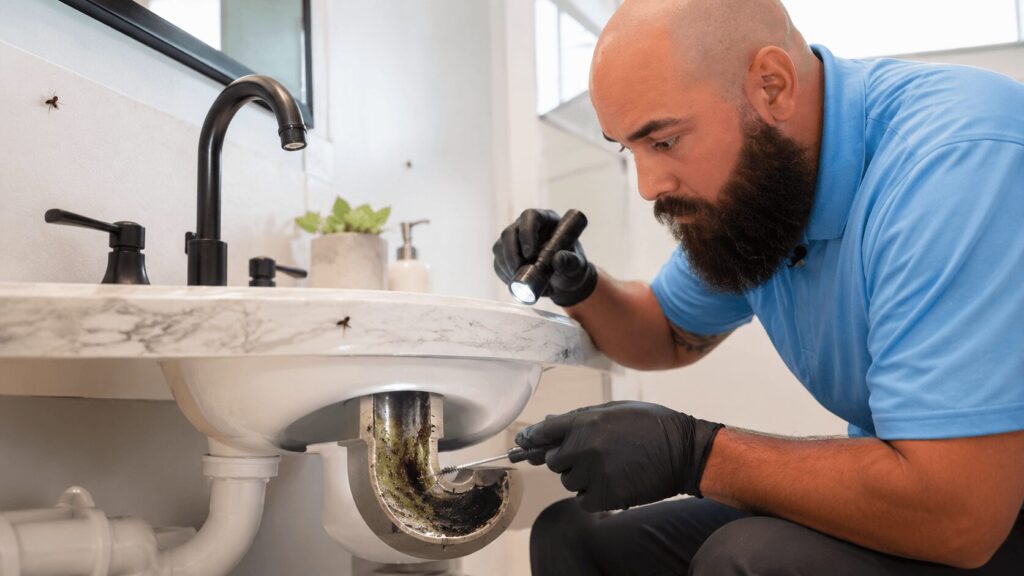
That hidden film is enough for drain fly larvae to keep growing. Once the drain is scrubbed properly and treated with an enzyme drain cleaner, the activity starts dropping. That’s why drain fly control starts inside the drain, not on the walls where the adult flies rest.
How to Get Rid of Drain Flies
To get rid of drain flies, remove the wet organic buildup where their eggs and larvae develop. Killing the adult flies alone may temporarily reduce activity, but it does not remove the breeding site.
Start with this process:
◉ Confirm the active drain with a partial tape test.
◉ Remove visible hair, grease, sludge, and debris.
◉ Scrub the drain and accessible pipe walls with a stiff drain brush.
◉ Clean the drain cover, stopper, overflow area, and surrounding fixture.
◉ Flush away loosened material.
◉ Use an enzyme or biological drain cleaner according to its label if additional buildup remains.
◉ Monitor the drain for continued activity.
Why this matters: Drain flies breed in the buildup, not on the bathroom wall. Removing that material is more important than simply killing the flies you can see.
How to Kill Drain Flies
To kill drain flies effectively, think about the adults and immature flies separately. Adult flies can be removed with sticky traps, a vacuum, or another appropriate method, but those steps only reduce the visible population. The immature flies remain in their breeding material until that material is cleaned away.
For lasting control:
◉ Remove adult flies.
◉ Identify the active drain or moisture source.
◉ Scrub away the organic film.
◉ Remove trapped debris.
◉ Continue monitoring until activity stops.
Why this matters: Adult control is useful, but eliminating the breeding site is what breaks the cycle.
Will Bleach Kill Drain Flies?
Bleach may provide short-term control of exposed flies or larvae, but it does not reliably remove the organic film coating the drain where drain flies develop. Physical cleaning is more important for long-term control. Never mix bleach with another drain cleaner or household cleaning chemical. Follow the product label whenever using any drain-cleaning product.
Does Boiling Water Kill Drain Flies?
Hot or boiling water may provide short-term control and flush away loose material, but it does not reliably remove grease, sludge, or organic film attached to the sides of a drain.
University of Kentucky similarly describes hot water as a possible short-term measure while recommending thorough cleaning of pipes and traps to remove accumulated slime. Use physical cleaning as the main step rather than relying on repeated water treatments alone.
Will Drano Kill Drain Flies?
Drano is not a reliable drain-fly treatment. Drano products are designed to clear clogged or slow-running drains, while long-term drain-fly control requires removing the organic breeding material where larvae develop. A clog remover may remove some hair, soap scum, grease, or other material from a drain, but that does not guarantee that the microbial film supporting drain flies has been completely removed.
For drain-fly control, first identify the breeding drain and focus on physically cleaning accessible pipe surfaces and removing the organic material.
If you choose to use Drano for an actual clog, follow the product label exactly. Drano’s manufacturer specifically warns users not to mix its products with other household cleaners or chemicals, because hazardous fumes or reactions may result. Do not immediately add another cleaner because the first product did not solve the fly problem.
How to Get Rid of Drain Fly Larvae
To get rid of drain fly larvae, clean the wet organic material where they are developing. The larvae may look like tiny worms in drains, shower areas, toilets, or other persistently wet locations. Start by scrubbing the inside of the affected drain with a stiff drain brush. Pay attention to the accessible pipe walls, drain cover, overflow opening, stopper, and any visible buildup.
Then flush away loosened material and, where appropriate, use an enzyme drain cleaner according to its label.
If larvae appear near a toilet, shower, or floor drain, also check for standing water, leaks, unusual odors, or other moisture conditions. Killing individual larvae helps, but removing their breeding material is what prevents another generation of adult flies.
How to Get Rid of Fruit Flies in Drains
Fruit flies and drain flies are different pests, but fruit flies can sometimes be associated with dirty drains when fermenting food residue or other organic material collects there.
If fruit flies are coming from a kitchen drain:
◉ Scrub the drain opening and accessible pipe walls.
◉ Clean the garbage disposal if one is present.
◉ Remove food residue from the sink area.
◉ Clean underneath disposal splash guards where accessible.
◉ Remove fermenting food, spills, and trash nearby.
◉ Monitor whether the flies continue appearing after the food source is removed.
Do not assume every small fly near a sink is a drain fly. Correct identification helps determine which source needs to be cleaned.
How to Prevent Drain Flies
To help prevent drain flies, reduce the moisture and organic buildup they need for development.
Simple prevention steps include:
◉ Brush and clean problem drains regularly.
◉ Remove hair, food residue, grease, and other debris.
◉ Clean garbage disposals and drain components.
◉ Fix leaks around sinks, toilets, and plumbing.
◉ Run water through infrequently used fixtures so plumbing traps do not dry out.
◉ Keep surrounding floors and fixture areas free of standing moisture.
◉ Watch for slow drainage, unusual odors, or recurring fly activity.
Why this matters: Drain flies need a persistent moist breeding site. Reducing organic buildup and correcting moisture problems makes those sites less suitable.
When Clear Answers and Professional Service Make a Difference
When a drain fly problem keeps coming back, homeowners want more than a quick visit. They want someone to listen, inspect carefully, and explain what is going on.
One homeowner shared that after dealing with rushed service and unreliable results elsewhere, they were glad to find Agile Pest Control, a smaller local company that took the time to understand the problem. They mentioned that the team was professional, friendly, fair, and easy to talk to.

That matters with drain flies because the source is not always obvious. A good inspection looks beyond the flies on the wall and focuses on the drain, moisture, buildup, and hidden areas that may be keeping the problem active.
Still Seeing Drain Flies Around Your Sink or Shower?
If drain flies keep showing up after cleaning, the source may still be inside a sink drain, shower drain, floor drain, toilet area, or hidden moisture spot. Adult flies are easy to notice, but the real problem is often the slimy buildup where larvae are growing.
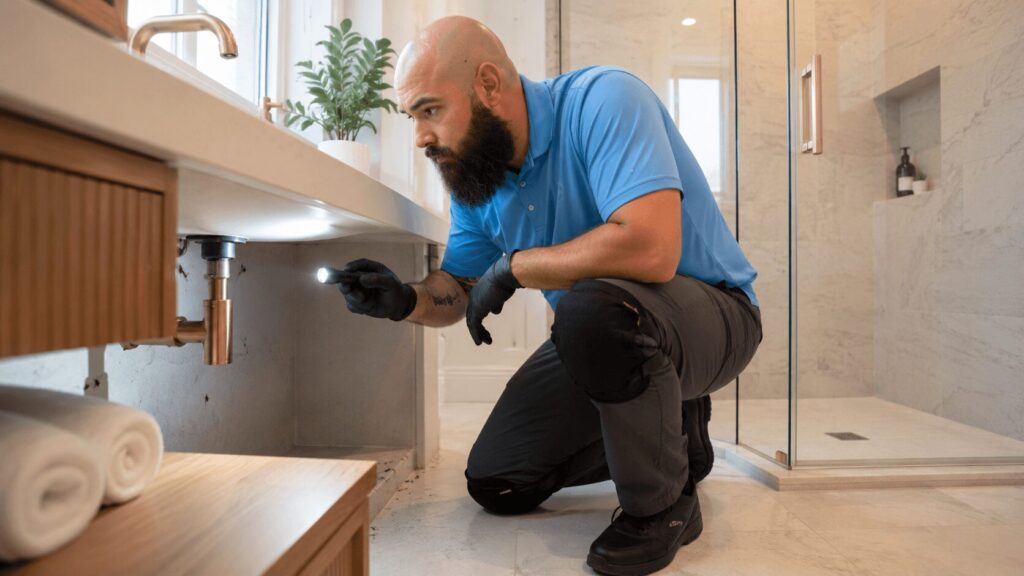
AgilePests can inspect the affected areas, identify where the drain flies are coming from, and explain what needs to be cleaned, treated, or corrected. Once the source is found, it becomes much easier to stop the activity and reduce the chance of the flies returning.
Frequently Asked Questions
How Long Do Drain Flies Live?
Adult drain flies can live about two weeks, while development from egg to adult may take roughly one to four weeks, depending on conditions such as temperature and humidity.
Do Drain Flies Bite?
No. Drain flies are non-biting insects and are generally considered nuisance pests in homes. Their presence usually points to moist organic material where larvae are developing.
Are Drain Flies More Active at Night?
Yes. Adult drain flies are primarily nocturnal and often rest on walls or other surfaces during the day, becoming more active after dark near breeding areas.
Share
0/5
(0 Reviews)
0/5
(0 Reviews)